 HeySolids
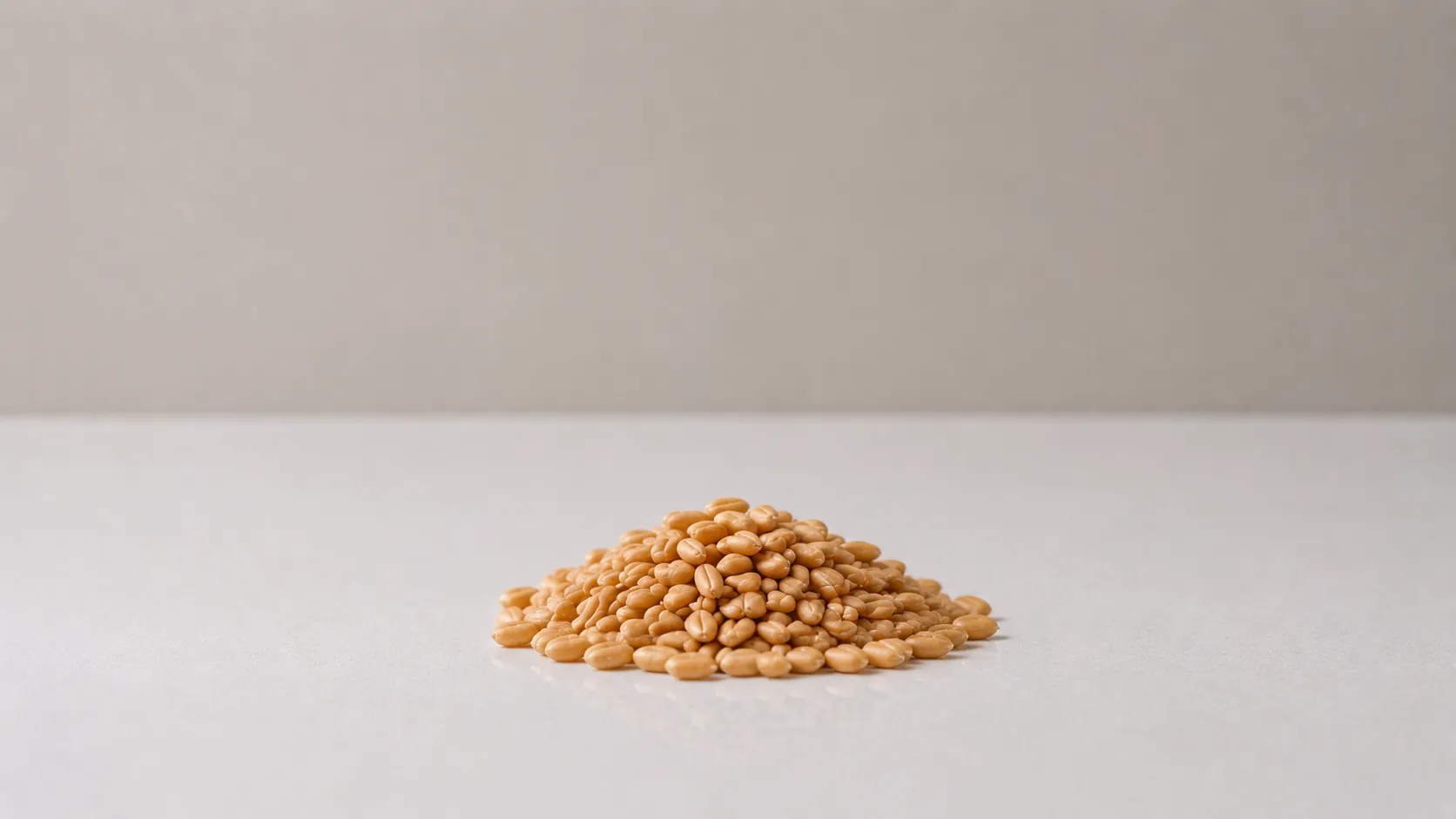
Choking risk
Wheat is a moderate choking risk: fresh bread can ball into a doughy lump, and crackers and hard crusts break into firm pieces.
Toast bread lightly and cook pasta soft. See how to serve for prep at each age.
Allergens
Wheat is one of the nine most common food allergens.
There's no reason to delay it - offer it around 6 months, then keep it in your baby's diet regularly. Most children outgrow a wheat allergy.[1]
Offer it on its own, start with a small amount, and watch for a reaction. Once your baby is comfortable with it, keep it in their regular diet.
If baby refuses
Wheat is usually well accepted. If one form is refused, try another - soft pasta is easier than bread, or cereal softened with milk. Whole-grain tastes stronger, so start mild.
Food safety
No added salt in the first 12 months, and keep it low after that. No added sugar before age 2. Many breads, crackers, and cereals are high in one or both, so check labels for lower-salt, unsweetened options.[4]
How to serve
6+ months old
Soft wheat first foods
Toast strips two adult fingers wide, or soft pasta
Start with lightly toasted bread cut into strips about two adult fingers wide, large pasta shapes, or unsweetened wheat cereal softened with baby's usual milk. Introduce wheat on its own first, in a small amount, and watch for any reaction before pairing it with other foods.
Choose lower-salt, unsweetened wheat products, and skip anything made with honey before 12 months because of the risk of infant botulism.
How to cook
Cook wheat foods until very soft - pasta well past al dente so it squashes between two fingers, cereal softened into a smooth porridge, and bread only lightly toasted so it holds its shape without going hard.
9+ months old
Pasta shapes and toast strips
Bite-sized pieces about 1/2 inch, or finger strips
Offer a wider range - smaller soft pasta shapes alongside toast strips. Once a pincer grasp develops, where thumb and forefinger meet to pick up small pieces, bite-sized pieces work well; offer one at a time if baby tends to overfill.
How to cook
Keep wheat foods soft. Pasta and bread can be a touch firmer than at 6 months but should still squash easily between your fingers. Keep choosing lower-salt, unsweetened options.
12+ months old
A range of wheat foods in family meals
Toddlers can enjoy a wide range of wheat foods as part of family meals - pasta, bread and toast, cereals, crackers that soften easily, and home baking. Offer an age-appropriate utensil for practice, but expect them to switch between fingers and a fork for a while yet.
How to cook
Cook to family preference, keeping pasta and bread soft rather than firm. Favor whole-grain wheat for more fiber and minerals, and keep choosing lower-salt, unsweetened products.
Tips
- Wheat is a carrier food. Toast strips and pasta take a thin spread or coating well - mashed avocado, hummus, or a little unsalted tomato sauce - so one wheat food can deliver several others.