 HeySolids
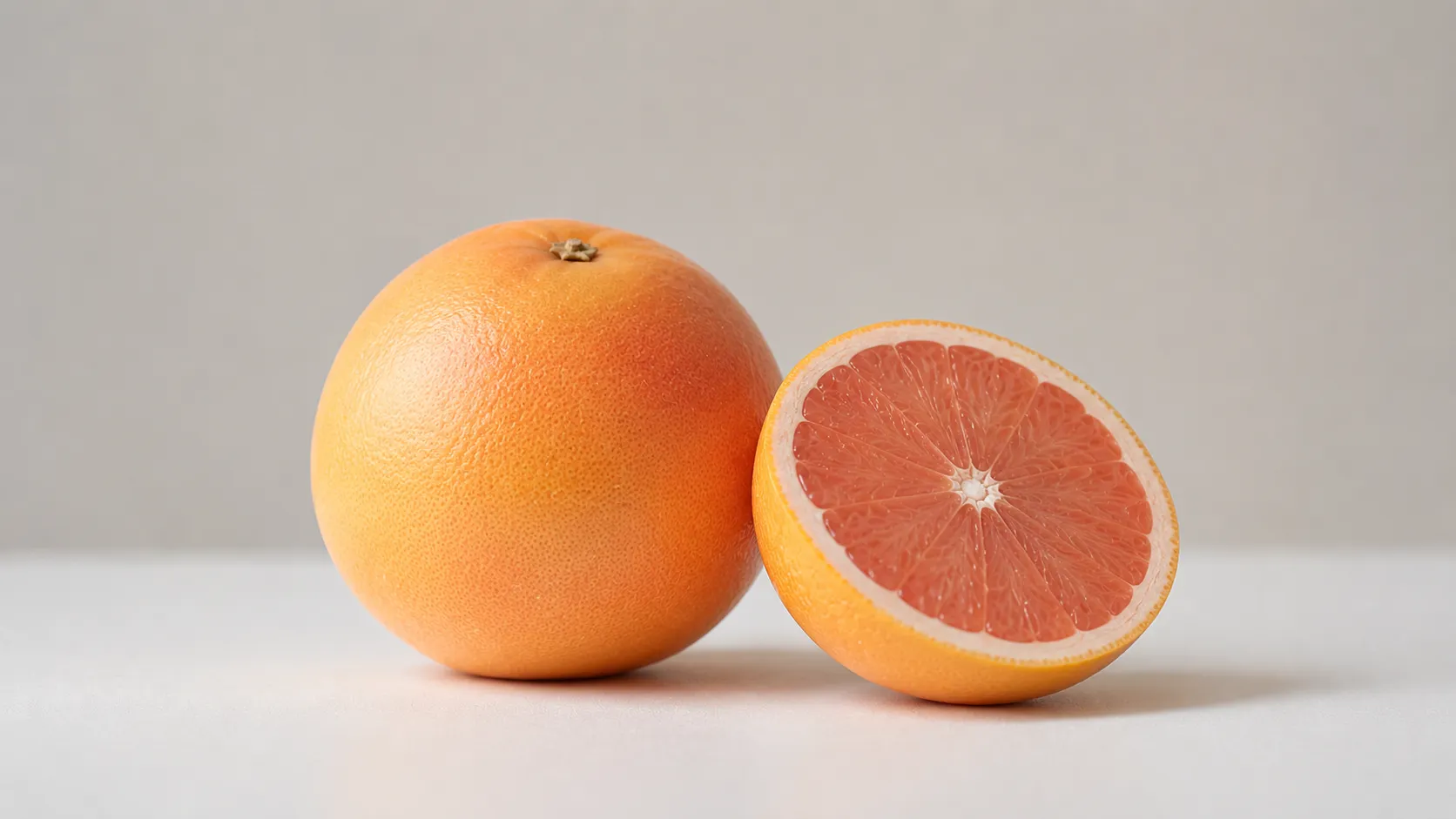
Choking risk
Grapefruit is a moderate choking risk - a whole segment is a slippery, sealed pod that can be the wrong shape to swallow, and the seeds are a hazard.
Peel off the pith and membrane, open each segment so it is no longer a sealed pod, and remove every seed. See how to serve for age-by-age prep.
Allergens
Grapefruit is not a common food allergen, so a true food allergy to it is rare.[3]
Start with a small amount and watch for a reaction.
If baby refuses
Grapefruit is sharp, and a sour face is normal - a screwed-up first reaction isn't the same as a refusal, so it's worth offering again before deciding. If it really is turned down, reach for the sweeter pink or ruby varieties, or stir chopped flesh through plain yogurt or oatmeal to soften the edge. Keep offering it - tastes change with repeat tries.
Food safety
Grapefruit can interact with some regular medications - it changes how the body absorbs them.
If your child takes any ongoing medicine, check with your pharmacist or doctor before making grapefruit a regular food.[5]
How to serve
6+ months old
Soft flesh, or a whole segment freed from its membrane
Small soft pieces, or one segment to hold
Offer grapefruit flesh in small soft pieces, or hand baby a whole freed segment to hold and gnaw. Pull out every seed and peel away the tough membrane and white pith. Stirring the flesh through plain whole-milk yogurt or oatmeal softens the sourness.
How to prepare
No cooking needed. Slice the peel and white pith away with a knife, then cut along each side of the thin membranes to lift the segments out clean - chefs call this supreming, if you want a video to follow. Pick out any seeds as you go.
9+ months old
Small soft pieces
Bite-sized pieces, about 1/2 inch
As the pincer grasp develops, cut the freed flesh into small pieces for picking-up practice. Pull out every seed and peel away the tough membrane and white pith. It still stirs well through yogurt or oatmeal to soften the sharpness.
How to prepare
No cooking needed. Slice the peel and white pith away with a knife, then cut along each side of the thin membranes to lift the segments out clean, and cut the flesh into small soft pieces. Pick out any seeds as you go.
12+ months old
Small soft pieces
Bite-sized pieces of the flesh, about 1/2 inch
Serve the freed flesh in small pieces - on its own, stirred through yogurt, or scattered through a fruit salad, with a fork for utensil practice. Pull out every seed and peel away the tough membrane and white pith; grapefruit membrane stays chewy at every age, so this step never drops off.
How to prepare
No cooking needed. Slice the peel and white pith away with a knife, then cut along each side of the thin membranes to lift the segments out clean, and cut the flesh into small soft pieces. Pick out any seeds as you go.
Tips
- Pick it up before you buy it. A good grapefruit feels heavy for its size - that's juice - with thin, smooth skin that gives slightly. A light, thick-skinned one is mostly pith, which is exactly the part you'll be cutting away.
- Serve the fruit, not the juice. Juice concentrates the sugar and drops the fiber, and juice is where the medicine interaction is strongest too - baby's drinks stay milk and water, and grapefruit arrives as flesh at the table.
Sources
- When, What, and How to Introduce Solid Foods - CDC
- Choking Hazards (Infant & Toddler Nutrition) - CDC
- Food Allergies (the 9 major US allergens) - FDA
- Oral Allergy Syndrome (OAS) - AAAAI
- Grapefruit Juice and Some Drugs Don't Mix - FDA
- Grapefruit, raw, pink and red, all areas (FDC 173033) - USDA FoodData Central