 HeySolids
Choking risk
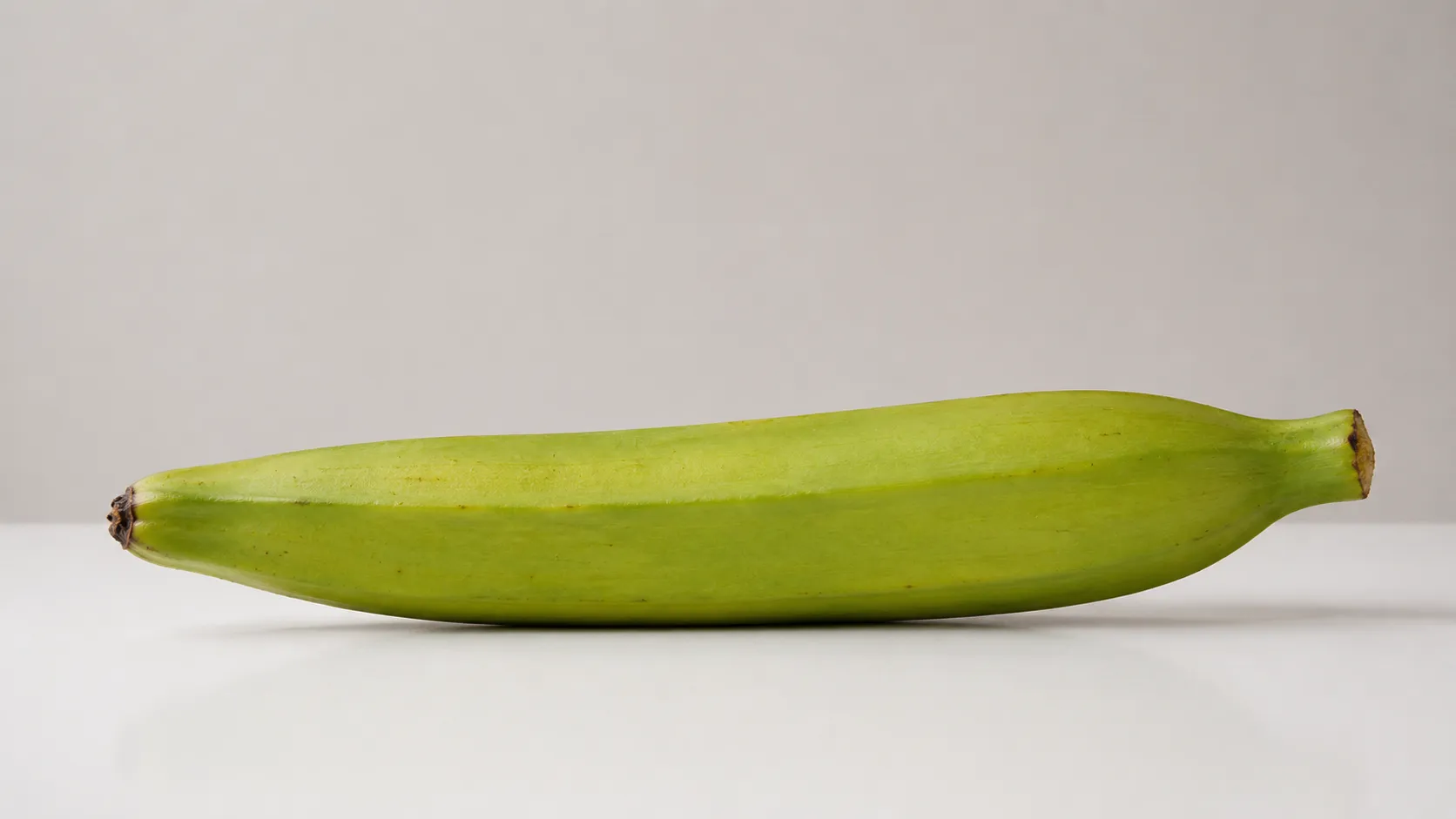
Cooked soft, plantain is a low choking risk, but firm raw or fried plantain is hard and can lodge in the airway.
Never serve plantain raw; cook a ripe one until it squashes between two fingers, then offer soft pieces or mash, and avoid hard fried chips. See how to serve for age-by-age prep.
Allergens
Plantain is not a common food allergen, so a true allergy to it is rare.
Start with a small amount and watch for a reaction.
If baby refuses
Plantain is usually well accepted. If yours turns it down, try a riper one with yellow or blackened skin, which is sweeter and softer, or stir a little butter or coconut milk into the mash. Serve it warm, since cold food often puts babies off.
How to serve
6+ months old
Large soft piece or smooth mash
About the width of two adult fingers
Use a ripe plantain with yellow or blackening skin and cook it until very soft. Offer a large graspable piece, about the width of two adult fingers, for baby to grip and gnaw. Or mash the cooked flesh and serve on a pre-loaded spoon, loosening it with a little breast milk, formula, or coconut milk.
How to cook
Never serve plantain raw. Peel a ripe one, then boil or steam for 15-20 minutes, or bake at 400°F for about 30 minutes, until very tender and easy to squash between two fingers. Do not add salt or fry it.
9+ months old
Bite-sized soft pieces
About 1/2 inch
Offer small soft pieces of well-cooked plantain for pincer practice, on their own or in mixed dishes. You can still serve a larger soft piece or some mash alongside. Keep avoiding firm fried plantain such as chips and tostones, which are too hard and crisp to chew safely.
How to cook
Peel a ripe plantain and boil, steam, or bake until tender throughout, so pieces squash easily between two fingers. Keep it unsalted and avoid frying.
12+ months old
Bite-sized pieces or family-style dishes
About 1/2 to 1 inch pieces
Offer soft cooked plantain in family dishes alongside a fork for utensil practice. A staple in West African and Latin American cooking, it works well boiled, steamed, baked, or grilled and stirred into stews and rice. Keep cooking it soft, and still skip salty fried plantain chips.
How to cook
Boil, steam, bake, or grill a ripe plantain as part of family meals, keeping pieces soft enough to squash easily. Cook it a little less as chewing skills grow if you want more texture, but keep it unsalted.
Sources
- When, What, and How to Introduce Solid Foods - CDC
- Choking Hazards (Infant & Toddler Nutrition) - CDC
- Foods and Drinks to Avoid or Limit (added salt) - CDC
- Latex Allergy and Foods (latex-fruit: banana, avocado, kiwi, chestnut) - Allergy & Asthma Network
- Plantains, cooked (FDC 169131) - USDA FoodData Central