 HeySolids
Choking risk
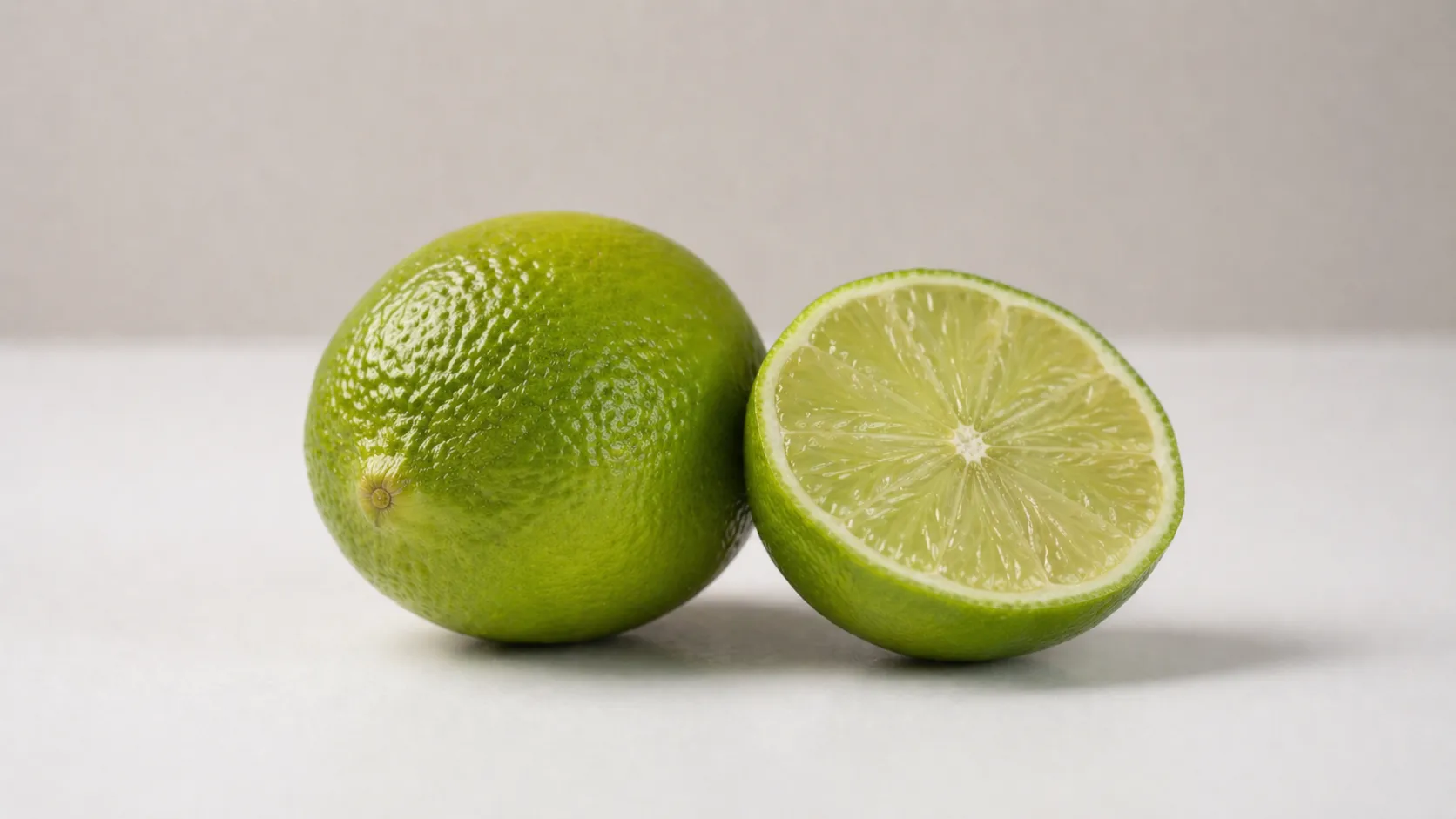
Lime is a low choking risk because it is used as a flavoring, not served in pieces.
Stir juice or zest into other food, remove seeds, and skip chunks of peel or pith. See how to serve for age-by-age prep.
Allergens
Lime is not a common food allergen, so a true food allergy to it is rare.[2]
Start with a small amount and watch for a reaction.
If baby refuses
Lime is just tart - a sour face is part of the deal, not a refusal. Use a small squeeze, and stir it into something milder like yogurt or avocado, where it softens into brightness.
How to serve
6+ months old
A squeeze of juice or a little grated zest
Use lime as a flavoring, not a food to eat in pieces. Squeeze a little fresh juice or grate zest over fish, vegetables, avocado, yogurt, or rice to brighten the flavor, with no added sugar. A squeeze over beans or leafy greens also helps baby absorb their iron. Remove any seeds first.
How to cook
No cooking needed. Squeeze fresh juice or grate zest straight into other food. Do not serve wedges, peel, or pith as a food portion.
12+ months old
Juice or zest across family dishes
Lime can flavor the family dishes baby shares now - dressings, marinades, curries, stir-fries, a squeeze over cooked fish, vegetables, or grains. Keep lime plain - a squeeze over food, not sweetened into limeade.
How to prepare
Pick out any seeds before the squeeze, and no chunks of peel or pith - zest is fine, but grated, not in pieces. Roll the lime hard under your palm before cutting and it gives up about twice the juice.
Sources
- Choking Hazards (Infant & Toddler Nutrition) - CDC
- Food Allergies (the 9 major US allergens) - FDA
- Oral Allergy Syndrome (OAS) - AAAAI
- Lime Juice and Sun Can Cause Skin Rashes (phytophotodermatitis) - National Capital Poison Center
- Foods and Drinks to Avoid or Limit (honey, added sugar, salt) - CDC
- Limes, raw (FDC 168155) - USDA FoodData Central