 HeySolids
Choking risk
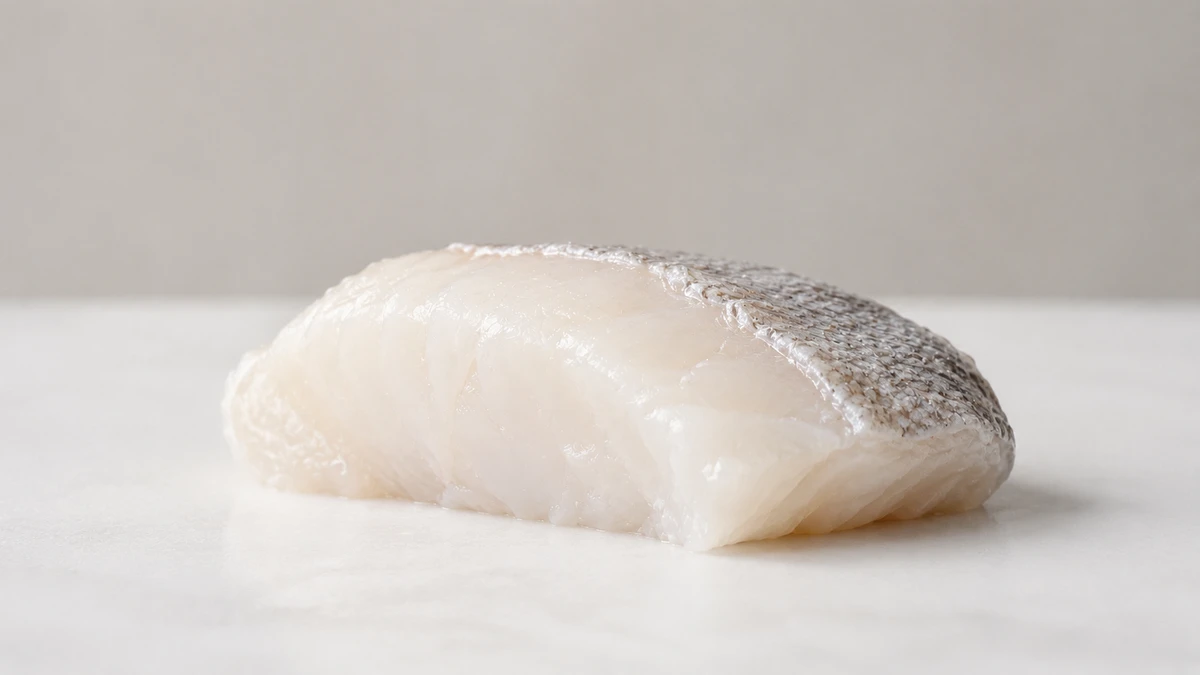
Hake is a moderate choking risk - the flakes are soft and loose, but stray bones and dried-out pieces need managing.
Flake it, check every flake for bones, take off the skin, and keep it moist. See how to serve for age-by-age prep.
Allergens
Fish is a common food allergen, and a fish allergy is usually lifelong.[1]
Offer hake by itself the first time, earlier in the day so you can watch baby for a couple of hours. Start with a small taste and build up if all's well, watching for a reaction.[2]
Once it's tolerated, keep fish on the menu regularly. Fish and shellfish are separate allergens, so one doesn't stand in for the other.
If baby refuses
If hake is refused, try it mixed into something familiar - flaked through tomato sauce or stirred into soft rice. Then offer it plain again another day. Most babies need a food several times before they accept it, and fish is no exception.
Food safety
Cook hake to 145°F, until opaque and flaking, and go through the flakes for bones - hake fillets can carry a few fine ones.
Hake is on the FDA's "Best Choices" low-mercury list, so it can be one of the regular picks in a child's one to two fish meals a week.[3]
How to serve
6+ months old
A strip to hold, or flaked into soft food
A strip the width of two adult fingers, or flaked
Serve a cooked strip about two fingers wide for baby to grip, or fold the flakes through mashed potato or a smooth puree. Hake is soft enough that the flakes almost melt in.
Remove the skin and comb the flakes for bones.
How to cook
Poach, steam, or bake to 145°F until it flakes easily, then cool, skin, flake, and debone. No added salt.
9+ months old
Small soft flakes, or soft fish cakes
Bite-sized flakes, or a strip to hold
Small flakes suit the new pincer grasp, and soft no-salt fish cakes give baby something to hold. A drizzle of olive oil keeps the loose flakes from drying out.
Still check every flake for the odd fine bone.
How to cook
Bake or poach to 145°F until opaque and flaking, then cool and break into pieces.
12+ months old
In family meals
Bite-sized pieces, or flaked into dishes
Hake can go wherever the family meal goes - baked with tomatoes, in fish stew, or flaked through rice - with small soft pieces for fork practice. Its low mercury means it can appear as often as fish does.
Keep salt light and skip cured or heavily battered versions.
How to cook
Bake, poach, or pan-cook to 145°F until it flakes, and check for bones before serving.
Tips
- Anywhere cod works, hake works. Fish pie, fish cakes, poached with vegetables - swap it straight in. It's a staple in Spanish and Portuguese kitchens for good reason, and often the better deal at the counter.
- Handle it gently. Hake's flesh is softer than cod's and falls apart easily once cooked - a plus for a baby's plate, less so for flipping in a pan. Bake or poach it and lift it out in one piece with a wide spatula.