 HeySolids
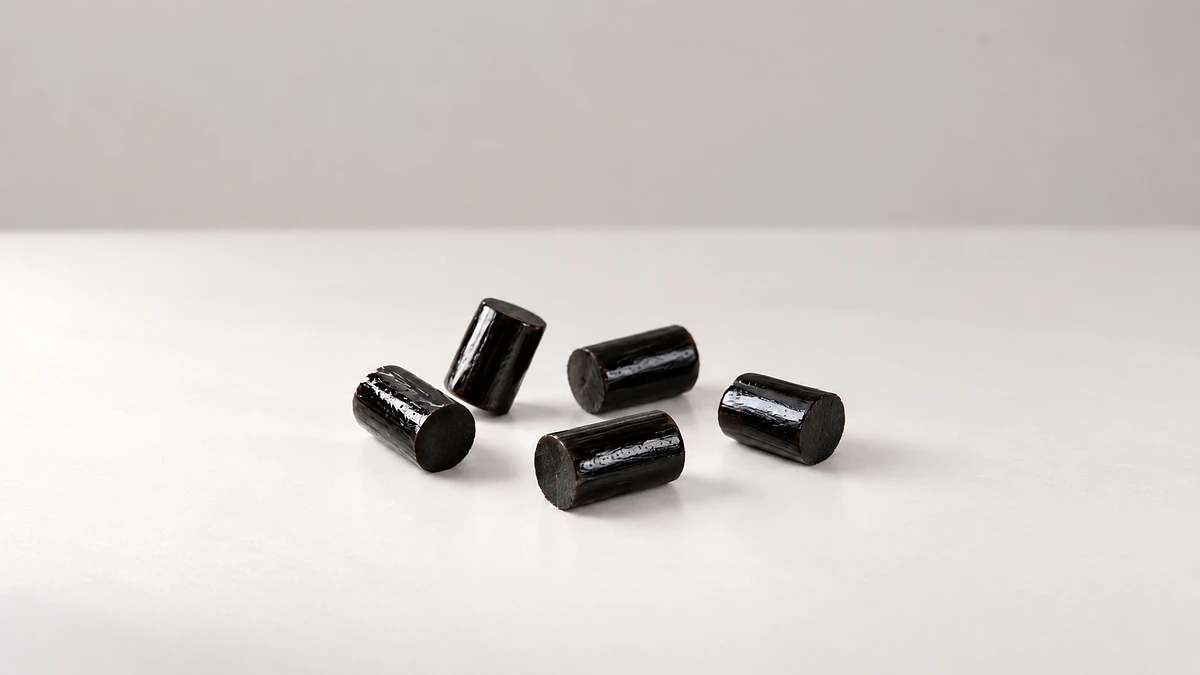
Can babies have licorice?
No. Don’t give licorice tea at any age in infancy, and hold off on licorice candy until around age 4. Real licorice root contains glycyrrhizin, which makes the body hold on to sodium and lose potassium. The FDA warns this can raise blood pressure and cause irregular heart rhythms.[1] Europe’s food safety committee couldn’t set a safe daily amount, and advised adults to stay under 100 mg a day with regular intake. Babies are much smaller, so it takes far less to reach a level that matters.[2]
Licorice and fennel “colic” teas are the form babies are most likely to be offered. Herbal colic remedies aren’t recommended and haven’t been shown to help, and the European Medicines Agency doesn’t recommend fennel preparations for children under 4.[3][4] Licorice tea is a concern during breastfeeding too, since it can pass to the baby through breast milk.[5]
Licorice candy has two more problems. It’s chewy, the kind of sweet the CDC lists as a choking hazard under 4, and it’s full of added sugar.[6][7] Most licorice candy is also made with wheat flour, so check the label.[8]
Choking risk
Licorice candy is a high choking risk - rope, allsorts and soft-chew licorice have the dense, chewy texture of gummy candy, which the CDC and AAP list among the foods to keep from children under 4, and cutting it smaller doesn't change the texture.
There's no prep that fixes it, so licorice sweets wait until around age 4 - see how to serve for what happens then. Licorice root sticks are hard, fibrous and not for chewing on at any young age.
Allergens
Licorice is not a common food allergen, so a true allergy to it is rare.[8]
The candy aisle is another matter: many licorice-style sweets, including the red "licorice" ropes, are made with wheat flour, and some contain soy or are produced on lines shared with nuts. Red ropes are usually flavored with fruit or anise oil rather than real licorice, so they don't carry glycyrrhizin - but they do carry wheat, sugar and the chewy texture.[9]
Food safety
Glycyrrhizin is the issue with anything made from real licorice root - black licorice candy, licorice root tea, licorice-flavored herbal blends and some natural cough and "tummy" remedies. It mimics a hormone that controls salt balance, pushing potassium down and blood pressure up; in adults the FDA puts the danger zone at about 2 ounces of black licorice a day for two weeks, and children have developed high blood pressure and seizures from a daily licorice habit. Poison centers also log cases where the first sign was muscle weakness.[1][2]
For babies the dose arithmetic is unforgiving, which is why licorice and fennel-licorice teas for colic are a no: there's no evidence they help, and a daily cup is a daily dose of a blood-pressure-active compound in a 7 kg body. The same goes for gripe-style herbal drinks that list licorice. Deglycyrrhizinated licorice (DGL) supplements have the compound removed but aren't for children either.[3][4][5]
After 4, licorice candy is an occasional sweet like any other: it's mostly sugar, and black licorice in quantity still carries the potassium effect, so a piece or two now and then, not a bag.[7][1]
How to serve
Up to 4 years old
No licorice - no teas, no candy
Don't give licorice in any form before about age 4: no licorice or fennel-licorice teas for colic or gas at any age in infancy, and no licorice candy, which is both a chewy choking hazard and pure added sugar.
4+ years old
Occasionally, seated and chewed well
From around age 4, an occasional piece of licorice candy is okay - seated, supervised, cut into short lengths, and chewed well. Keep black licorice to a piece or two rather than a bag; it's the one candy where quantity has an effect beyond sugar, since real licorice lowers potassium. Red "licorice" ropes have no licorice in them, just sugar and wheat.
Sources
- Black Licorice: Trick or Treat? (glycyrrhizin lowers potassium) - FDA Consumer Update
- Opinion on glycyrrhizinic acid and its ammonium salt (upper limit 100 mg/day) - EU Scientific Committee on Food 2003
- Colic (herbal remedies not recommended) - NHS
- Foeniculi dulcis fructus (sweet fennel fruit) herbal monograph: not recommended under 4 years - European Medicines Agency
- Licorice - Drugs and Lactation Database (LactMed), NIH
- Choking Hazards (Infant & Toddler Nutrition) - CDC
- Dietary Guidelines for Americans 2020-2025 (birth-24 months: no added sugar/salt under 2) - USDA/HHS
- Food Allergies (the 9 major US allergens) - FDA
- Wheat - FARE