 HeySolids
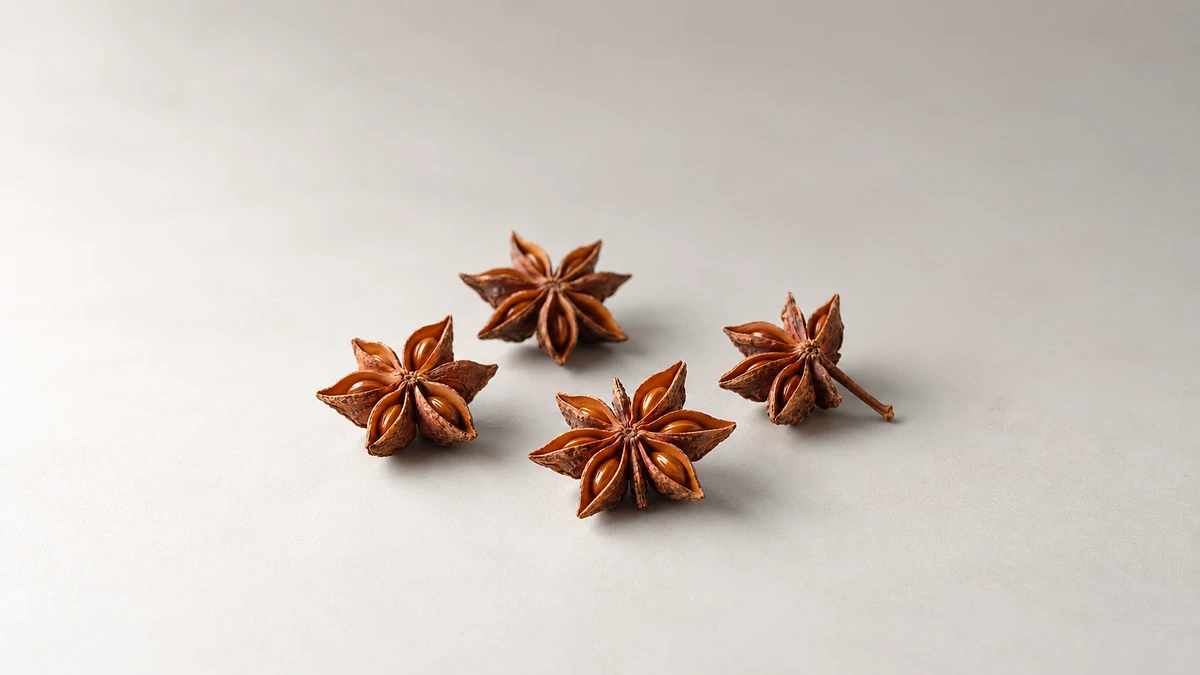
Can babies have star anise?
In cooking, yes, from around 6 months. Simmer a whole pod in a broth, braise, poached fruit or a pot of oatmeal, then take it out before serving. It adds a gentle licorice flavor. Five-spice powder cooked into food works the same way in small pinches.[3]
Star anise tea is different, and babies should never have it. Seven babies aged 2 to 12 weeks were treated at a Miami hospital for seizures, jitteriness, vomiting and abnormal eye movements after being given home-brewed star anise tea for colic. Some of the samples tested contained Japanese star anise, a toxic look-alike, but too much ordinary star anise may also have played a part. The FDA warned against star anise teas in 2003.[2][3]
There’s little evidence that any herbal tea helps colic. Talk to your pediatrician instead.
Choking risk
Star anise cooked into food is a low choking risk - the flavor goes into the dish and the pod comes out.
Always remove the whole pod and any broken points before serving. The dried pod is hard and woody, and it isn’t meant to be eaten.
Allergens
Star anise is not a common food allergen, so a true allergy to it is rare.[4]
It is unrelated to aniseed and fennel botanically, though they share the flavor compound anethole, so a child who reacts to one of those may react to star anise too - uncommon, but worth noting. Five-spice blends can be ground on shared equipment with nuts or sesame; check the label if that matters.
Start with a small amount and watch for a reaction.
Food safety
The bigger risk with star anise is contamination. Chinese star anise is the one used in cooking, while Japanese star anise contains a strong nerve toxin, and the dried pods of the two look almost the same. Shipments of the spice have been found mixed.[2][5] A pod cooked into a family pot and then removed gives a baby only a tiny amount, which is why the FDA’s warning covers brewed teas, not the spice.[3] Buy star anise from a brand you trust, and use it only in cooking.
A pod cooked into a pot of food for a family and then removed delivers a tiny fraction of what a cup of concentrated tea gives a baby, which is why the FDA's warning is specifically about brewed teas. Buy star anise from a major brand, keep it to cooking, and never steep it as a drink for a baby - for gas or colic, call your pediatrician.[3][1]
How to serve
6-24 months+
One whole pod simmered in the pot, then removed
A background flavor, pod removed
From 6 months, drop one whole pod into a broth, braise, poaching syrup or pot of oatmeal while it cooks, and lift it out before serving. A pinch of five-spice cooked into food works too. The amount doesn't need to grow with age - it stays a background note in family cooking, and the jar of star anise stays out of reach.
How to cook
Simmer the pod for at least 15 to 20 minutes for the flavor to come through, then remove it and check the pot for any broken points before dishing up baby's portion. Never steep star anise as a tea or drink for a baby, and skip "gripe" or colic teas that list it.
Sources
- Once Baby Arrives: Food Safety for Moms-to-Be (no star anise teas for infants) - FDA
- Neurotoxicities in Infants Seen With the Consumption of Star Anise Tea - Pediatrics 2004;114(5):e653 (PubMed 15492355)
- FDA advisory against star anise "teas" (September 10, 2003) - FDA CFSAN Enforcement Story 2003
- Food Allergies (the 9 major US allergens) - FDA
- Star anise poisoning in an infant: anisatin in a contaminated spice (7,800 µg/kg) - Arch Pediatr 2011 (PubMed 21652187)