 HeySolids
Choking risk
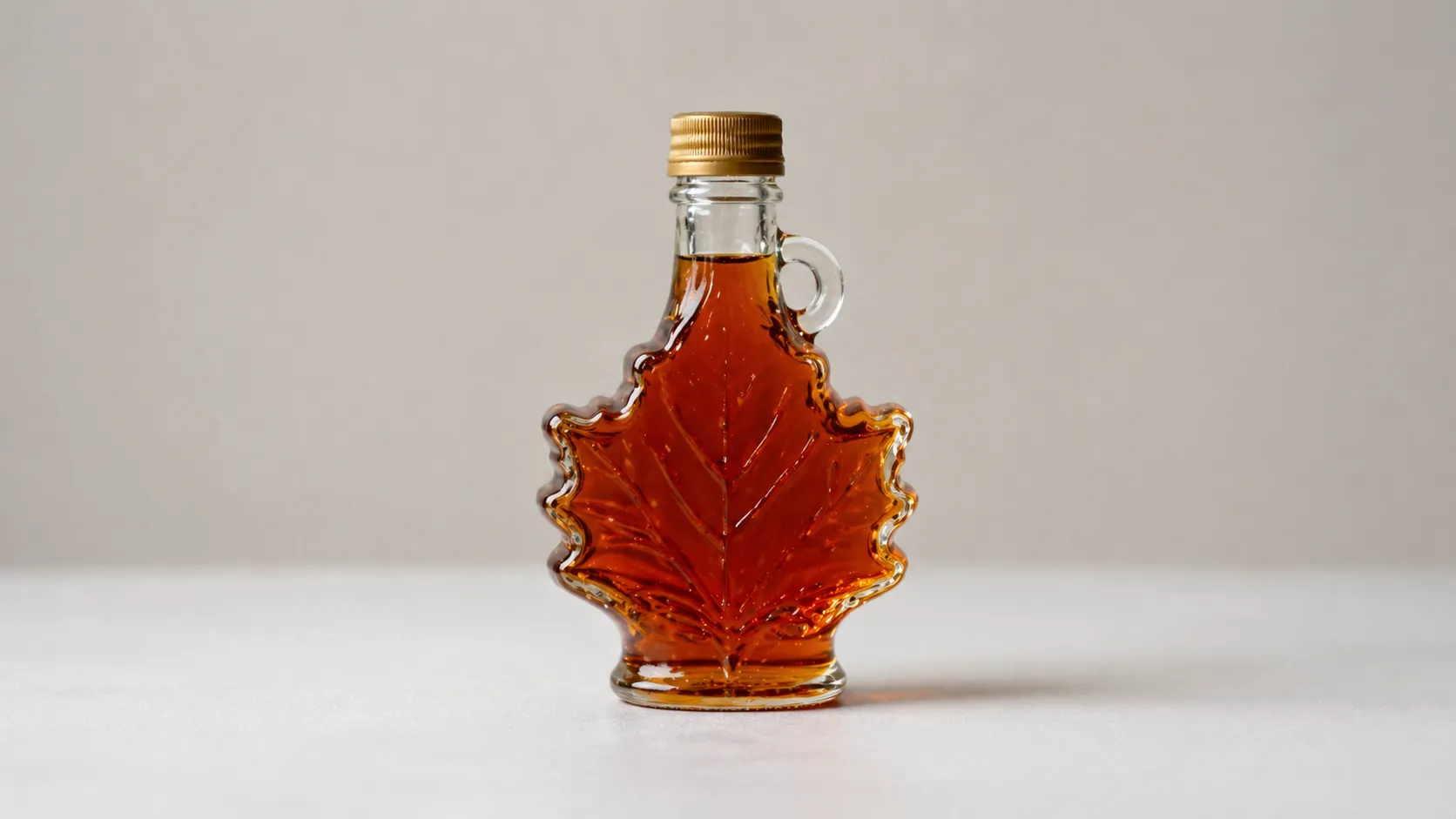
Maple syrup is a low choking risk - it's a smooth liquid that pours into food. The real reason to keep it out of baby's meals is the added sugar.
Nothing to cut or shape here, so prep is about sweetening baby's food without it. See how to serve for age-by-age prep.
Allergens
Maple syrup is not a food allergen, so there is no allergic reaction to watch for. The reason to keep it out of baby's food is the added sugar, not allergy.[1]
Food safety
Maple syrup is added sugar - the same as table sugar and honey. "Natural" doesn't change that. Added sugar is best avoided before age 2: it fills a small stomach without feeding it, and these are the years a child learns how sweet food is supposed to taste.[2][3]
Honey and maple syrup differ in one important way: honey can cause infant botulism, so it's skipped entirely before 12 months, while maple syrup carries no botulism risk. On sugar, though, they're the same - both are added sugars, and both wait until age 2.[4]
How to serve
Up to 2 years old
No maple syrup yet
Maple syrup is added sugar, so it waits until age 2 - that's the US dietary guidance, and it means none rather than a little. The minerals sometimes mentioned on the label are real but tiny; syrup is sugar, whichever way it's marketed.
Sweeten with fruit instead
When something needs sweetening, use fruit. Mash a banana into pancake batter, warm some applesauce over oatmeal, scatter soft berries on top. It's the same sweetness - it just comes with fiber and real food attached, instead of on its own.
2+ years old
Keep added sugar low
From age 2, a small drizzle of maple syrup now and then is fine. The useful measure: current US guidance caps added sugar at about 10 grams per meal, and that's about two teaspoons of maple syrup - one light pour, with nothing sweet alongside it.
The habit that makes it easy: syrup goes on things at the table, never into the batter - a drizzle on top tastes sweeter than the same amount mixed in, so less does more.
Sources
- Food Allergies (the 9 major US allergens) - FDA
- Foods and Drinks to Avoid or Limit (honey, added sugar, salt) - CDC
- Added Sugars and CV Disease Risk in Children (none under 2) - AHA, Circulation 2016
- Botulism Prevention (no honey under 1) - CDC
- Dietary Guidelines for Americans 2020-2025 (birth-24 months: no added sugar/salt under 2) - USDA/HHS
- 2025-2030 Dietary Guidelines for Americans