 HeySolids
Choking risk
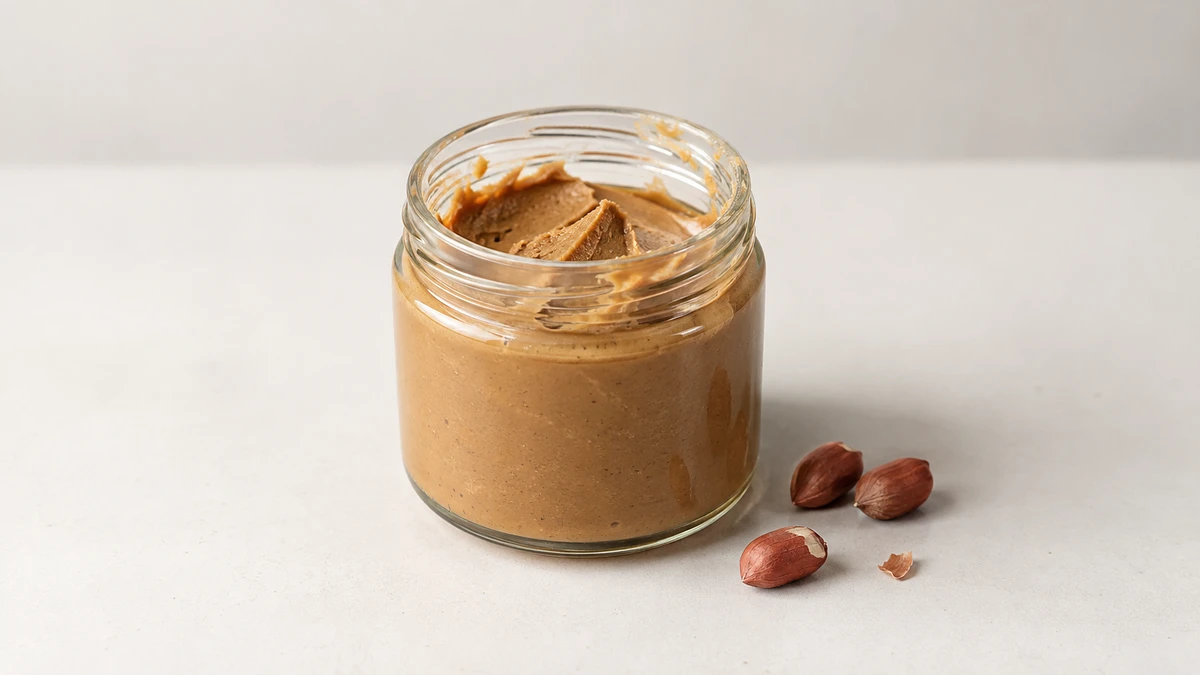
Thick peanut butter is a moderate choking risk - a sticky glob straight from the spoon can cling and be genuinely hard for a baby to clear.
Serve it thinned with warm water, breast milk, or formula, or spread in a thin layer - never by the spoonful, and never chunky style. See how to serve for age-by-age prep.
Allergens
Peanut is a common food allergen and a frequent cause of serious reactions in children.[2]
Don't delay it: introducing peanut around 6 months and keeping it in the diet a few times a week lowers allergy risk rather than raising it - and smooth peanut butter, thinned, is the easiest way to do exactly that.[3]
If your baby has severe eczema, an egg allergy, or both, talk to your pediatrician first - guidance supports starting peanut as early as 4 to 6 months for these babies, but only once your pediatrician has cleared it.[4]
Offer it on its own the first time, early in the day, starting with about a quarter teaspoon of thinned peanut butter - and watch for a reaction.
If baby refuses
A refused spoonful isn't the end of peanut - rotate the format. Stir it into oatmeal or a smoothie, swirl it through yogurt, mix it with mashed banana, or bake it into a soft pancake. Peanut powder blends in almost invisibly, and the exposure counts the same whichever way it goes in.
How to serve
6+ months old
Thinned to a loose paste
About 1/4 teaspoon to start
Thin smooth peanut butter with warm water, breast milk, or formula until it's a loose paste, then let baby suck a small smear from your clean fingertip, offer it on a pre-loaded spoon, or stir it into oatmeal, yogurt, or a puree baby already likes.
Introduce it on its own, early in the day rather than before a nap, so you can watch for a reaction in the hours after. Once tolerated, keep it coming a few times a week.[3]
How to prepare
Mix about 1 teaspoon of smooth peanut butter with 2 to 3 teaspoons of warm liquid until loose, never a thick blob. Smooth only - no chunky style, and no whole or chopped nuts.
9+ months old
Thin layer on soft toast strips
Spread smooth peanut butter thinly on a strip of soft toast or banana, stir it into oatmeal, or thin it into a mild satay-style sauce over soft vegetables or noodles. Keep servings regular - a few times a week maintains the tolerance being built.
How to prepare
No cooking needed. Spread it thin rather than in a glob, or loosen it into a sauce or batter. Still smooth only.
12+ months old
Thin spread or stirred into food
Keep smooth peanut butter in the weekly rotation - spread thin on toast, stirred into breakfast, or loosened into a dip for fruit and soft vegetables. Offer water alongside to help wash down sticky bites.
Whole and chopped peanuts, and chunky peanut butter, stay off the menu until at least age 4.
Tips
- Check the label reads just peanuts. Plenty of brands add sugar, palm oil, or a lot of salt - natural smooth peanut butter with a one-word ingredients list is the pick.
- Chunky stays on the adult shelf. The nut pieces in chunky peanut butter are exactly the choking-hazard size. Smooth only until at least age 4.
- Stir the jar well. Natural peanut butter separates, and the stiff paste at the bottom is exactly the texture you're trying to avoid. Peanut powder is an easy no-stir alternative that blends into almost anything.
Sources
- Choking Hazards (Infant & Toddler Nutrition) - CDC
- Peanut Allergy - FARE
- When to Introduce Egg, Peanut Butter & Other Common Food Allergens - AAP HealthyChildren
- Addendum Guidelines for the Prevention of Peanut Allergy in the US - NIAID 2017 (PMC5217343)
- When, What, and How to Introduce Solid Foods - CDC
- Peanut butter, smooth style, with salt (FDC 172470) - USDA FoodData Central