 HeySolids
Choking risk
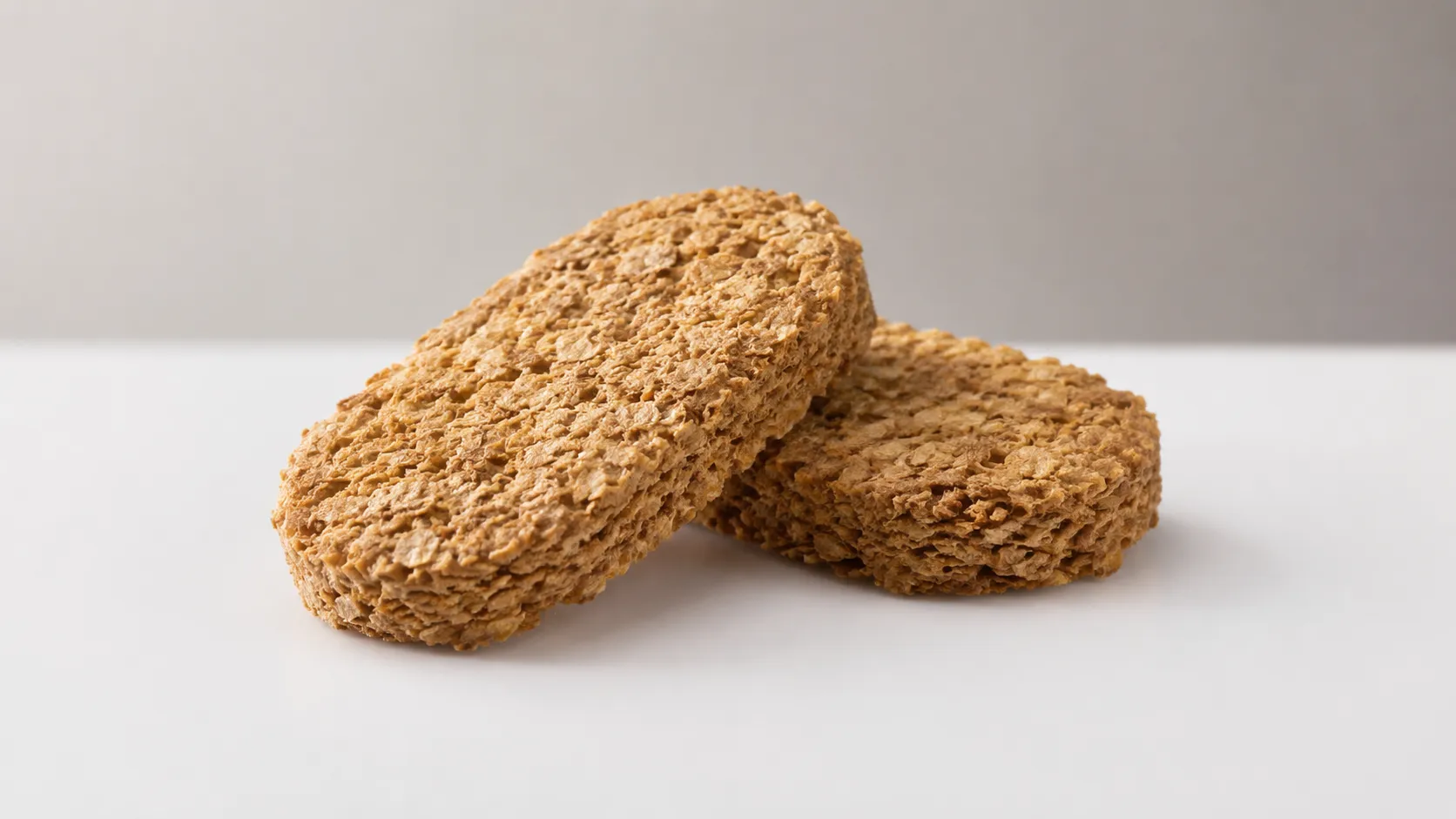
Weetabix softened in milk is a low choking risk - it turns into a soft, spoonable mush that is gentle for new eaters.
Soak the biscuit well so it collapses into a smooth mush before serving, since a dry, crumbly biscuit is harder to manage. See how to serve for age-by-age prep.
Allergens
Wheat is a common food allergen, and Weetabix is made from wholewheat.[1]
There's no reason to delay it - offer it around 6 months, then keep it in your baby's diet regularly. Most children outgrow a wheat allergy.
Standard Weetabix also contains a little barley malt extract, so it carries gluten from both wheat and barley. If celiac disease runs in your family, ask your pediatrician before introducing gluten.[2]
Offer it on its own, start with a small amount, and watch for a reaction. Once your baby is comfortable with it, keep it in their regular diet.[1]
If baby refuses
Plain wheat biscuit can be bland on its own. If it is refused, stir in mashed banana, grated pear, or a spoonful of fruit puree, or adjust how thick you soften it. A pinch of cinnamon or a little thinned smooth nut butter also helps.
How to serve
6+ months old
Smooth, fully softened mush
Spoon-fed or on a pre-loaded spoon
Soften a biscuit thoroughly with plenty of breast milk, formula, or whole cow's milk until it collapses into a smooth, soft mush. Spoon-feed it, or pre-load a spoon and hand it to baby.
Choose plain Weetabix and sweeten with a little fruit puree or mashed banana instead of sugar.
Whole cow's milk is fine for softening cereal from 6 months, just not as a main drink until 12 months.
How to cook
Crumble the biscuit into a bowl, cover generously with warm milk, and let it soak fully. Stir to an even, smooth texture before serving.
9+ months old
Thicker mush or soft milk-softened pieces
Spoon-fed, or soft pieces about 1/2 inch
Keep offering softened Weetabix two ways: as a slightly thicker mush for scooping, or as soft pieces of milk-softened biscuit baby can pick up. Stick with plain Weetabix and no added sugar - soft fruit or plain yogurt stirred through makes a fuller breakfast.
How to cook
Soak with a little less milk for a thicker mash that holds onto a spoon, or soften a biscuit just enough to cut into soft finger pieces. Stir in mashed fruit or yogurt for flavor.
12+ months old
Cereal with milk and fruit, or soft finger pieces
Half to one biscuit with milk
Serve Weetabix softened with whole cow's milk - fine as a drink now too - and topped with fruit as a regular family breakfast, or offer soft finger pieces alongside. Your toddler can work on spoon skills with the softened cereal; expect splashes and let them get on with it.
How to cook
Soften with whole milk to taste and add berries or sliced banana on top. Stick with plain Weetabix and check labels - flavored and frosted varieties carry added sugar.
Sources
- Wheat - FARE
- When to Introduce Egg, Peanut Butter & Other Common Food Allergens - AAP HealthyChildren
- When, What, and How to Introduce Solid Foods - CDC
- Foods and Drinks to Avoid or Limit (added sugar, salt) - CDC
- Cow's Milk and Milk Alternatives (whole milk as a drink at 12 months) - CDC
- Cereals ready-to-eat, WEETABIX whole grain cereal (FDC 169040) - USDA FoodData Central