 HeySolids
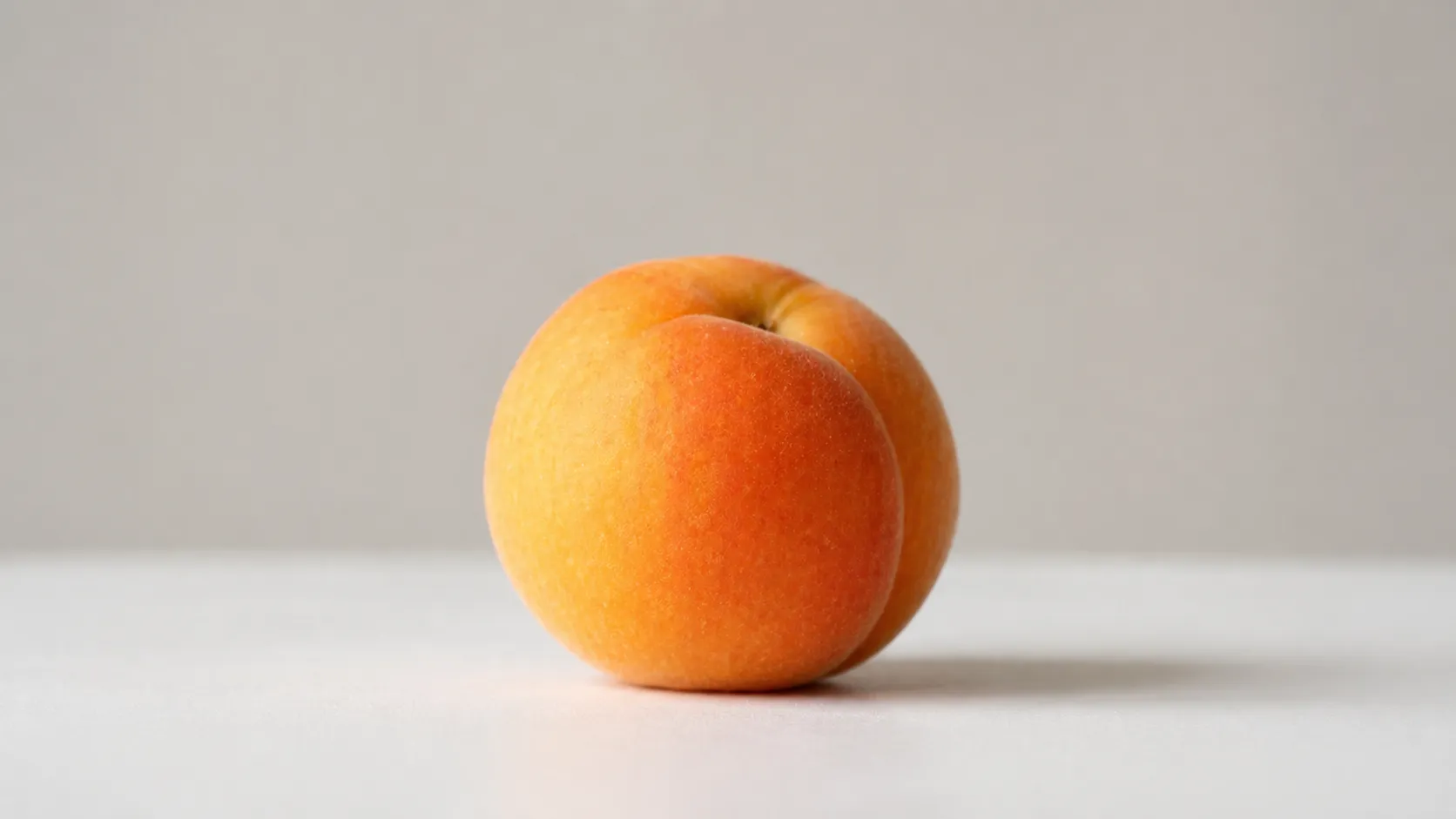
Choking risk
Apricot is a moderate choking risk - the hard stone is a serious hazard, and a firm or underripe apricot or chewy dried fruit can lodge in the airway.
Remove the stone, serve only ripe fruit that squashes easily between two fingers, and stew or soak dried apricots soft, then chop small. See how to serve for age-by-age prep.
Allergens
Apricot is not a common food allergen, so a true food allergy to it is rare.[3]
Start with a small amount and watch for a reaction.
If baby refuses
If apricot is turned down, check it is fully ripe, since underripe fruit is tart and firm. Try poaching it to soften and mellow the tartness, or stir mashed apricot into oatmeal or yogurt. Softened dried apricot puree adds natural sweetness too.
How to serve
6+ months old
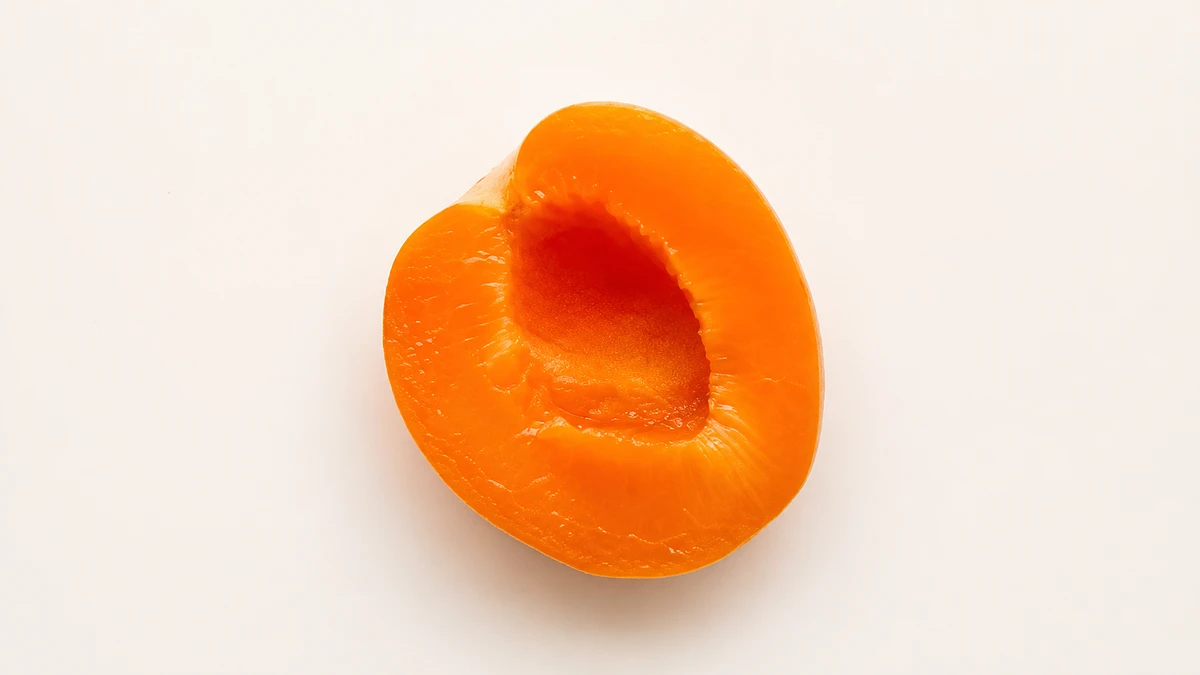
Large stoned half or wedge, skin on
Offer a very ripe apricot as a large wedge or half with the skin left on, so the surface gives the slippery fruit some grip to hold and gnaw. Remove the stone completely and check for loose fragments. The flesh should squash easily when pressed between your fingers.
You can also blend ripe apricot into a smooth puree, or soak or stew dried apricots soft and puree them - served on a pre-loaded spoon or stirred into oatmeal or yogurt.
How to cook
No cooking is needed if the apricot is fully ripe and soft. For firmer fruit, halve and stone it, then steam or poach for about 3 to 5 minutes until a piece squashes easily. Apricot is high in water, so you may not need extra liquid when blending.
9+ months old
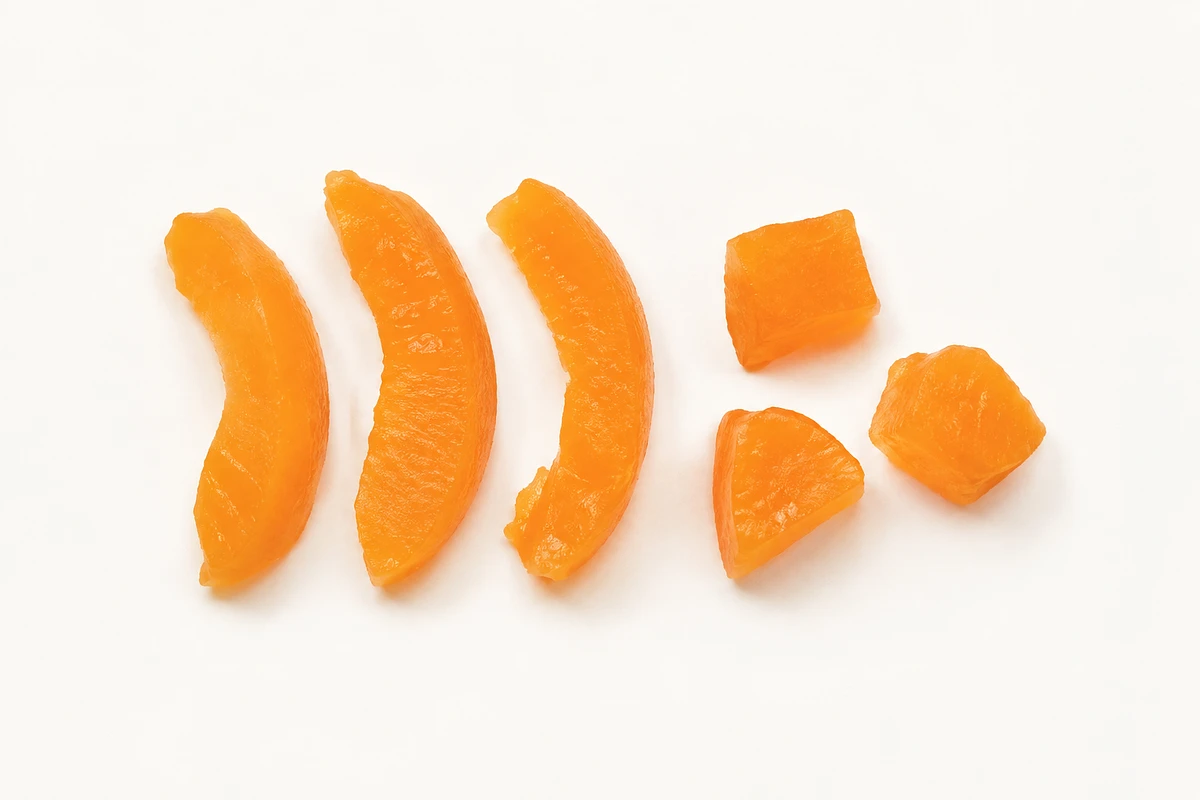
Thin peeled slices or soft pieces
About 1/2 inch pieces, or thin slices
Offer thin slices or small pieces of soft, ripe apricot for pincer practice, peeled if the skin is tough on the fruit you have. The flesh should squash easily when pressed. Apricot is slippery, so rolling pieces in ground oats or milled flaxseed helps baby grip them, or keep offering a larger stoned wedge alongside. Dried apricots can be served now only if soaked or stewed soft, then finely chopped.
How to cook
Ripe apricot can be served raw. If the fruit is firm, halve and stone it, then poach briefly until soft enough to squash easily. Soak or stew dried apricots until plump and soft before chopping finely.
12+ months old
In family meals
Bite-sized or sliced, never whole
Serve ripe, soft apricot in thin slices or bite-sized pieces alongside a fork for utensil practice, or stir diced apricot into oatmeal or yogurt. Always stone and cut it - a whole apricot is too round and firm to hand over. Dried apricots stay chewy and sticky, so keep them softened and chopped small, and offer them with a meal.
How to cook
Ripe apricot works well raw at this stage. Firmer fruit can be poached, stewed into a soft compote with a little cinnamon, or baked until tender as a simple family dessert.
Tips
- Fresh apricots have a tiny window. They're one of the shorter-season fruits and are often sold rock-hard and tart - the underripe state babies reject. Ripen them on the counter until they smell sweet and give to a gentle press; a firm one won't sweeten much in the fridge.
- Dried or canned bridges the gap. Out of season, unsweetened dried apricots (soaked soft) or apricots canned in juice, not syrup, are reliably sweet and soft when fresh ones are hard and sour. Drain, rinse canned ones, and chop or puree.
- Buy unsulphured dried if you can. The bright-orange dried apricots are treated with sulphur dioxide; the brown ones aren't. Both are fine, but sulphites can bother some sensitive or asthmatic children, so the darker unsulphured ones are a safe default - soaked soft and chopped small either way.