 HeySolids
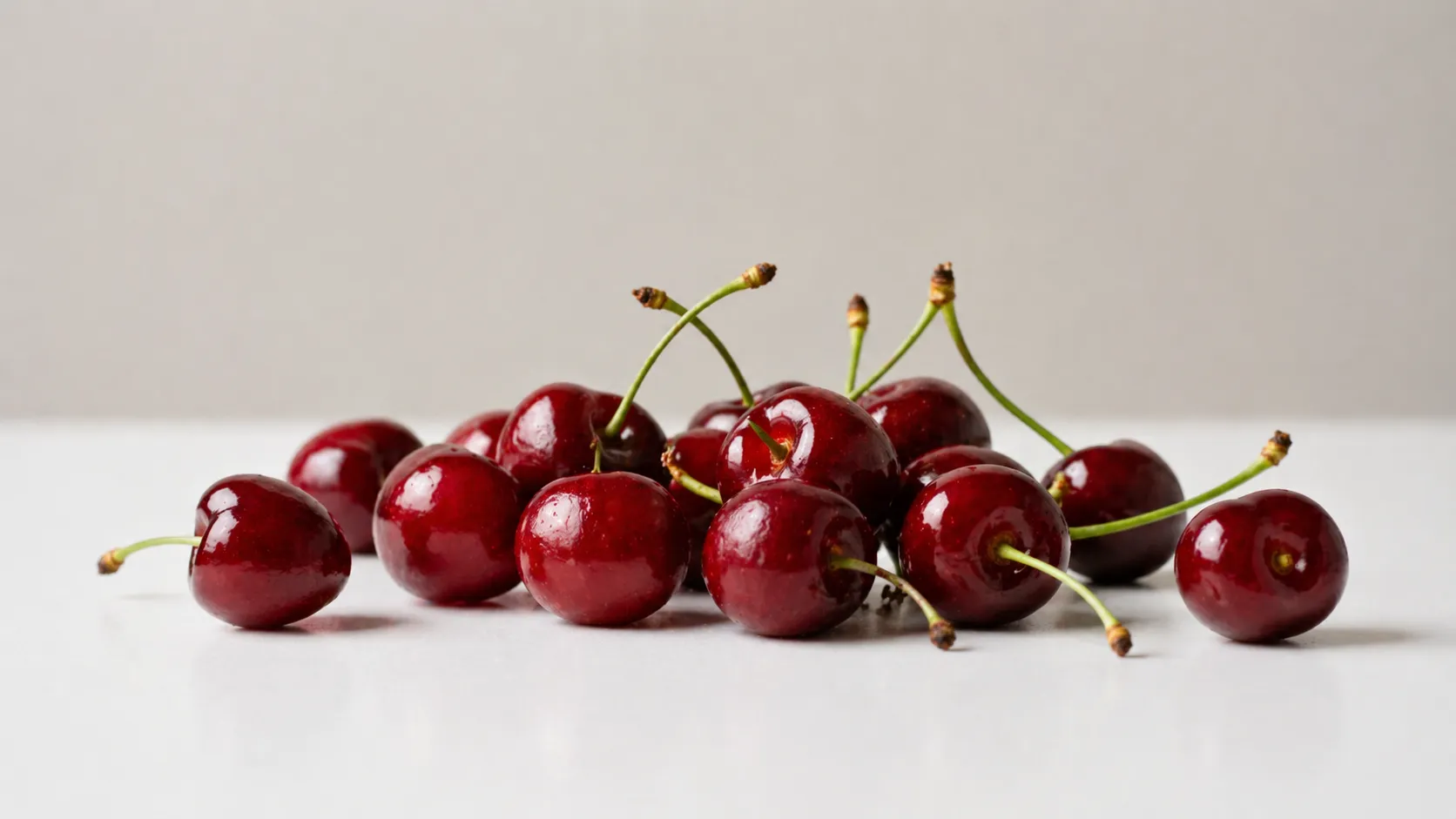
Choking risk
Cherries are a high choking risk - they're small, round, and firm, with a hard pit that's a serious hazard on its own.
Always remove the pit and stem, checking each cherry by feel since pitters can miss one, then quarter cherries lengthwise and keep cutting them small well past the first birthday.
Never serve a whole cherry. See how to serve for age-by-age prep.
Allergens
Cherry is not a common food allergen, so a true food allergy to it is rare.[3]
Start with a small amount and watch for a reaction.
If baby refuses
Choose ripe, sweet cherries, since sour or underripe ones are sharp and firm. If fresh cherry is turned down, stir mashed or cooked cherry into oatmeal or yogurt, or simmer it into a soft compote. Keep the pit out and the fruit cut small, even for a reluctant eater.
How to serve
6+ months old
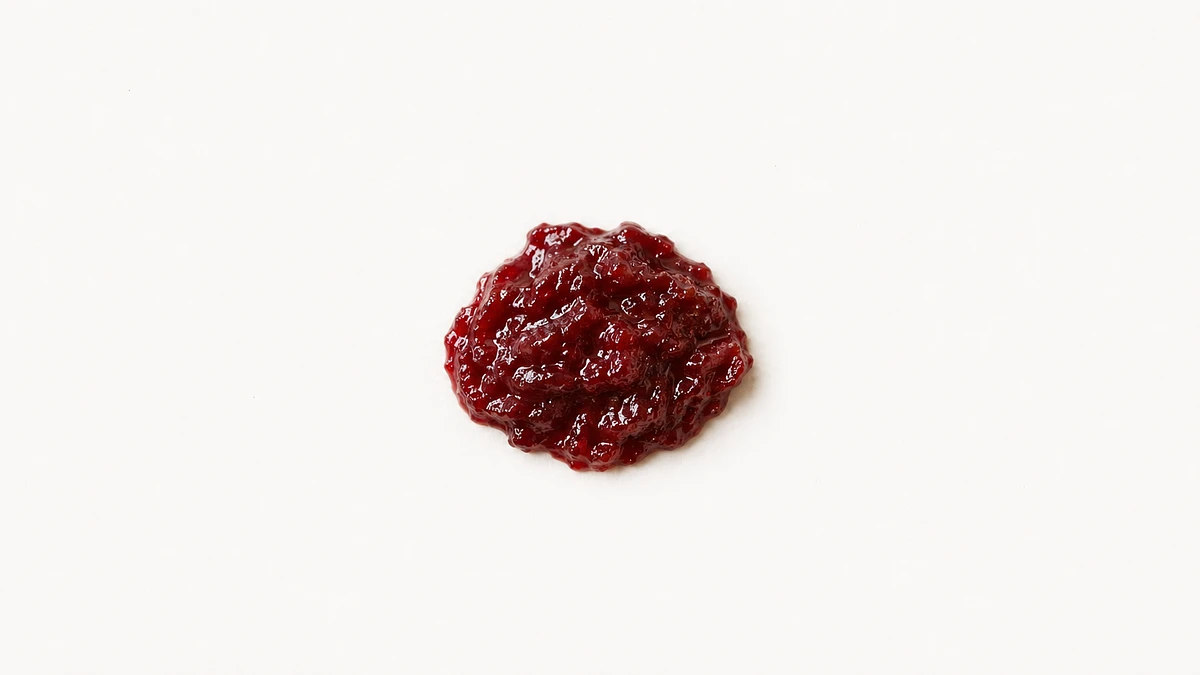
Pitted and mashed, or stirred into a soft food
Never whole or halved
Remove the pit and stem first, then mash a very ripe, soft cherry and fold it into a scoopable food like oatmeal, plain whole-milk yogurt, or ricotta. You can also warm pitted cherries until they burst and soften, then mash and stir them in. No whole or halved cherry at this stage.
How to cook
No cooking is needed if the cherries are very ripe and soft - just pit and mash. To soften firmer fruit, warm pitted cherries with a splash of water for a few minutes until they burst, then mash and cool before serving.
9+ months old
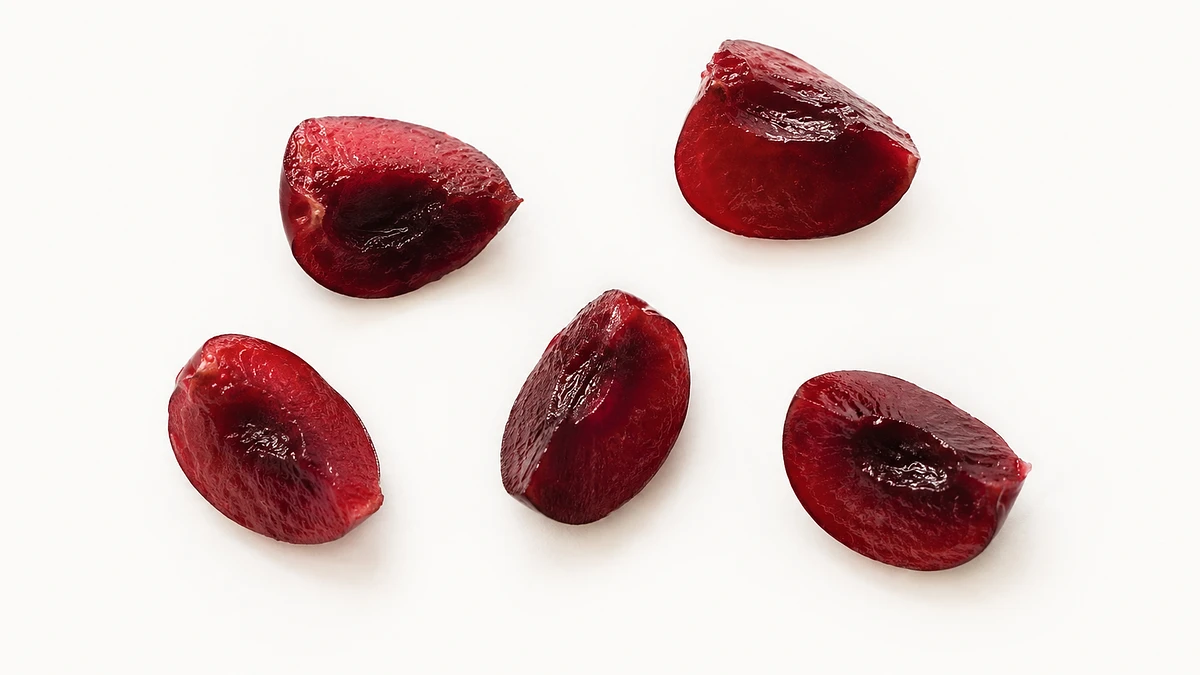
Pitted and quartered lengthwise
Pit and stem each cherry, then quarter it lengthwise and offer the small pieces for pincer practice. If the soft pieces are too slippery to grip, keep mashing pitted cherries into a scoopable food for now. Never serve a whole or halved cherry, and check each piece for a stray pit.
How to cook
Ripe cherries can be served raw once pitted and quartered. Cook firmer fruit briefly into a soft compote until it squashes easily, then cool before serving.
12+ months old
Pitted and quartered lengthwise
Keep pitting and quartering cherries lengthwise, the way you have been. Serve as finger food alongside family meals, or stir chopped or cooked cherry into oatmeal, yogurt, and baked dishes.
Cherries are a round, firm fruit, the shape most likely to block a small airway, so keep cutting them small well past the first birthday. Pediatric guidance is to cut round foods like cherries and grapes for children under 4. Check each cherry for a stray pit, and never serve a whole one.
How to cook
Serve raw once pitted and cut lengthwise, or cook into soft compotes and baked family dishes. Any loose cherries on the plate must still be pitted and cut small.
Tips
- Frozen cherries are already pitted and soft. Bought frozen, they come pitted, and they thaw soft - easier to cut and often softer than fresh. Thaw, check for stray pits anyway, and quarter. A reliable year-round option when fresh cherries are firm or out of season.
- Watch the hidden pits in other foods. Cherry pits turn up where you don't expect them - cherry pie, trail mix, jam, dried cherries, a fruit salad someone else made. Assume anything cherry-containing may have a whole pit until you've checked, especially food from outside your own kitchen.