 HeySolids
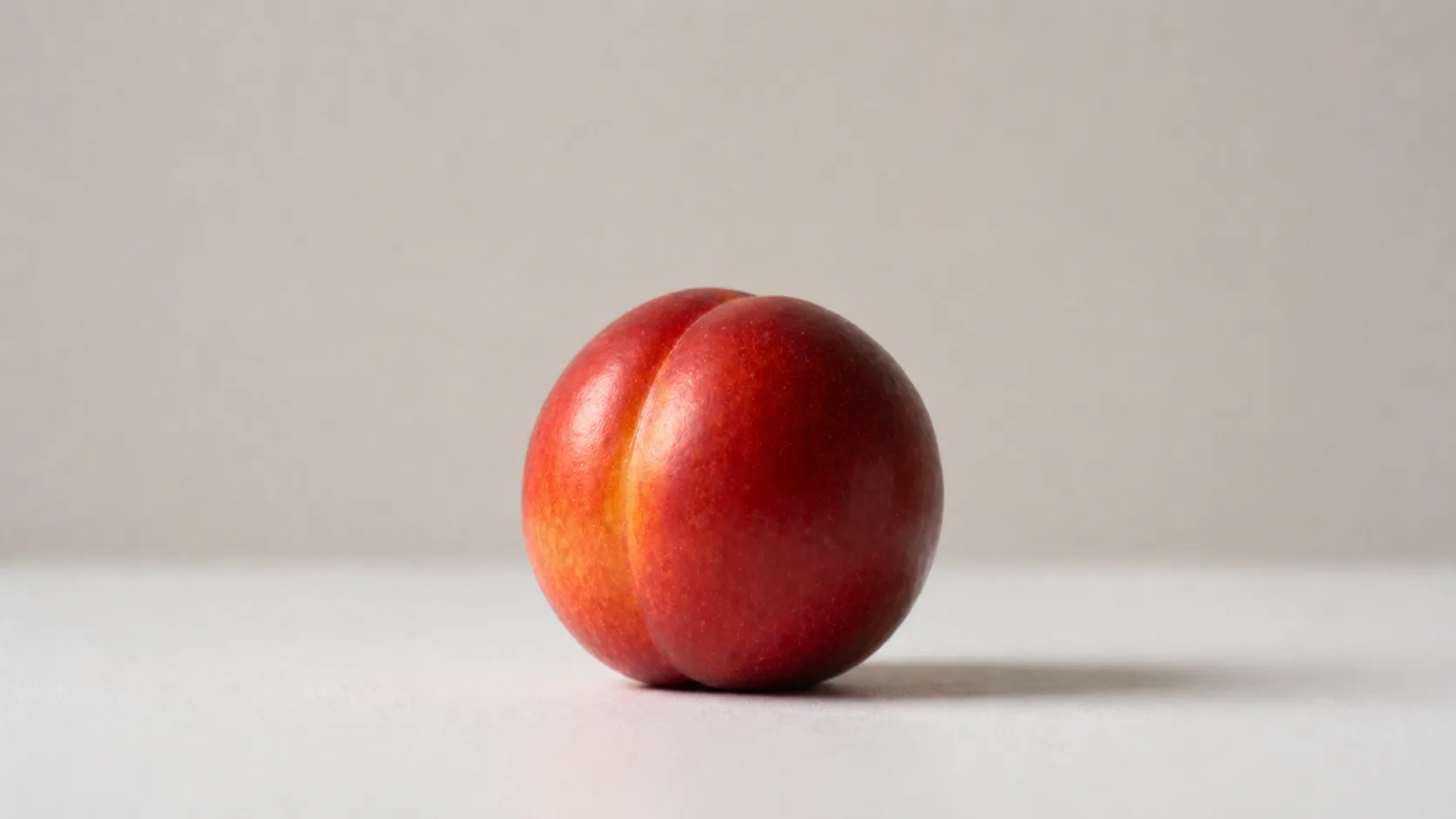
Choking risk
Nectarine is a moderate choking risk - ripe flesh is soft, but a firm or underripe nectarine is hard, and the pit is a serious hazard.
Remove the pit, serve only soft ripe fruit that squashes between two fingers, and skip firm chunks or round coins. See how to serve for age-by-age prep.
Allergens
Nectarine is not a common food allergen, so a true food allergy to it is rare.[3]
Start with a small amount and watch for a reaction.
If baby refuses
Nectarine is sweet and mild. If baby turns it down, make sure it's fully ripe - underripe fruit is tart and firm. Try warming the slices, stirring puree into oatmeal or yogurt, or peeling off the skin and offering again.
How to serve
6+ months old
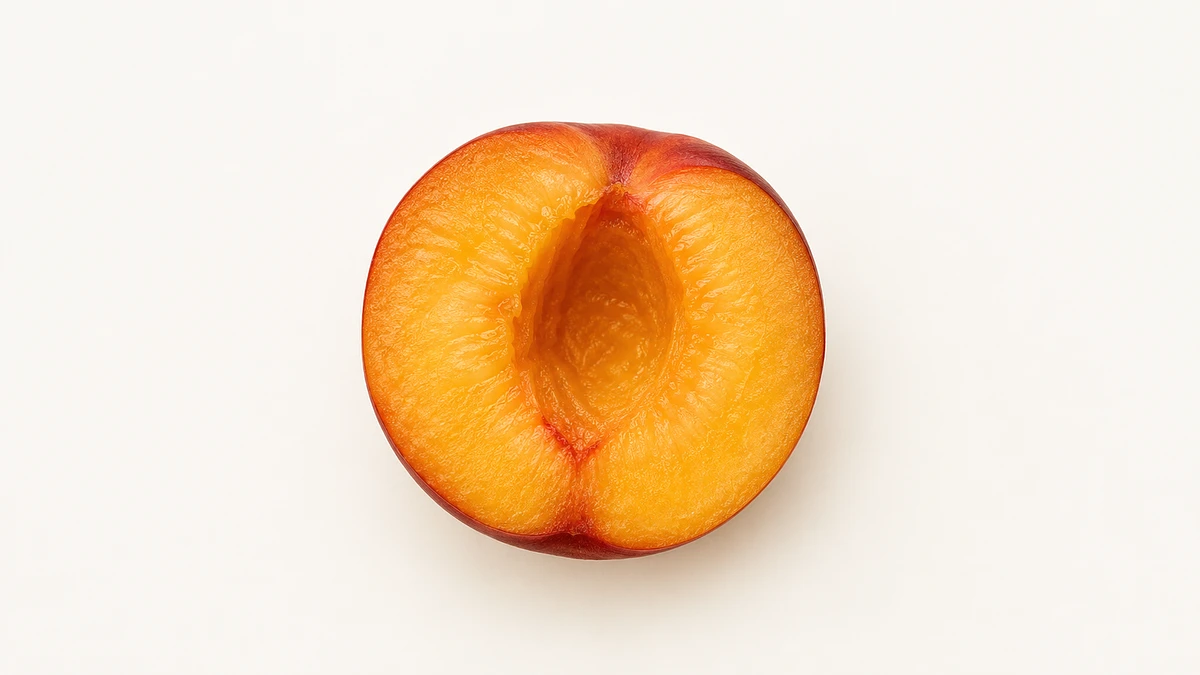
Large pitted half or wedge, skin on
A wedge about finger length, or half a nectarine
Offer a very ripe nectarine as a large wedge or half, skin left on, so baby can grip and gnaw it. Remove the pit completely and check for loose fragments. The flesh should squash easily when pressed between your fingers. If you peel it, roll the piece in ground oats for extra grip. You can also serve smooth puree on a pre-loaded spoon or stirred through oatmeal.
How to cook
No cooking is needed if the nectarine is fully ripe and soft. For firmer fruit, halve and pit it, then steam for 3 to 5 minutes until a piece squashes easily. The high water content means you may not need extra liquid when blending.
9+ months old
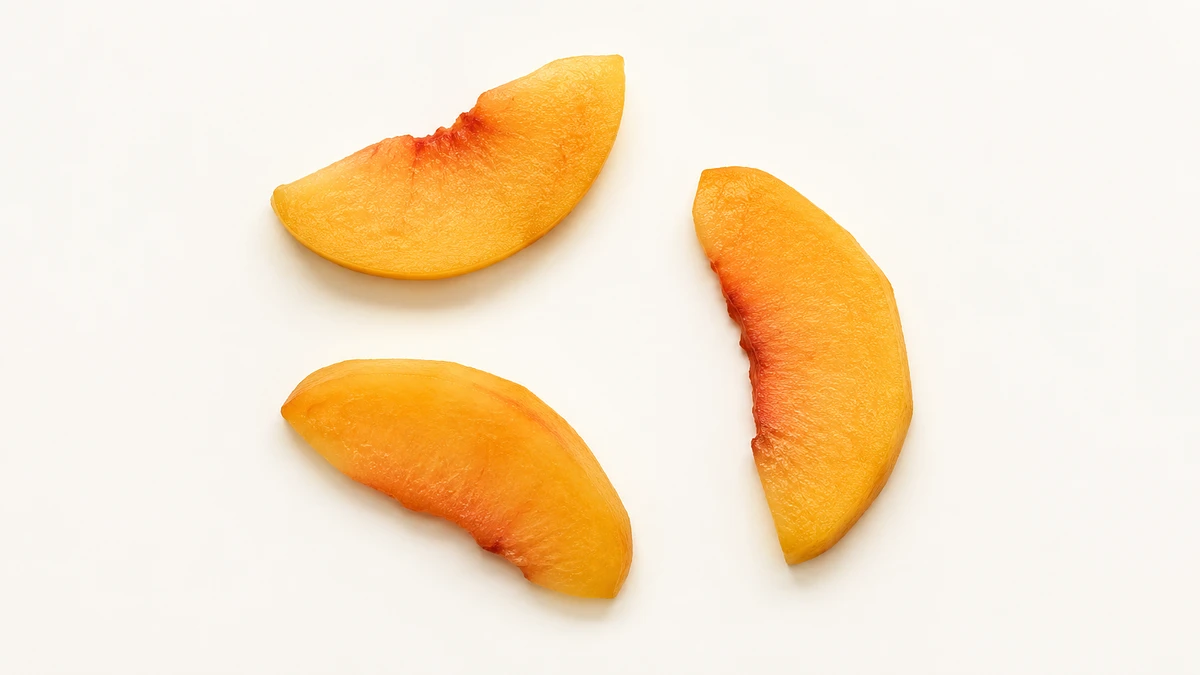
Thin peeled slices or soft pieces
Thin slices, or pieces about 1/2 inch
Peel ripe nectarine now - the skin is chewy in small pieces - and offer thin slices for pincer practice. The flesh should squash easily when pressed between your fingers. Peeled pieces are slippery, so rolling them in ground oats, milled flaxseed, or infant oatmeal cereal helps - or keep offering a larger wedge alongside.
How to cook
Ripe nectarine can be served raw. If the fruit is firm, halve and pit it and steam briefly until it squashes easily between two fingers.
12+ months old
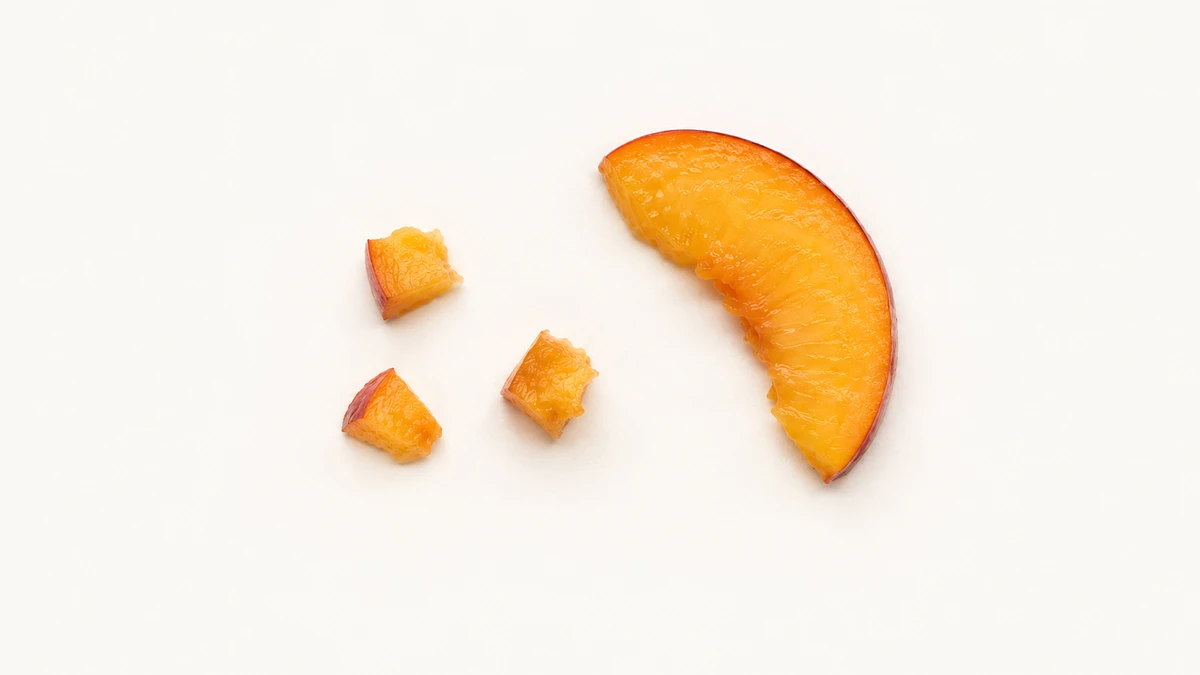
In family meals
Bite-sized, mashed or sliced, never whole
Offer ripe nectarine in thin slices or bite-sized pieces alongside a fork for utensil practice, or stir diced fruit through oatmeal or yogurt. Ripe skin-on nectarine is fine now as long as the fruit is soft.
How to cook
Raw ripe nectarine works well now. Firmer fruit can be poached, stewed into a soft compote with a pinch of cinnamon, or baked until tender as a simple family dessert.