 HeySolids
Choking risk
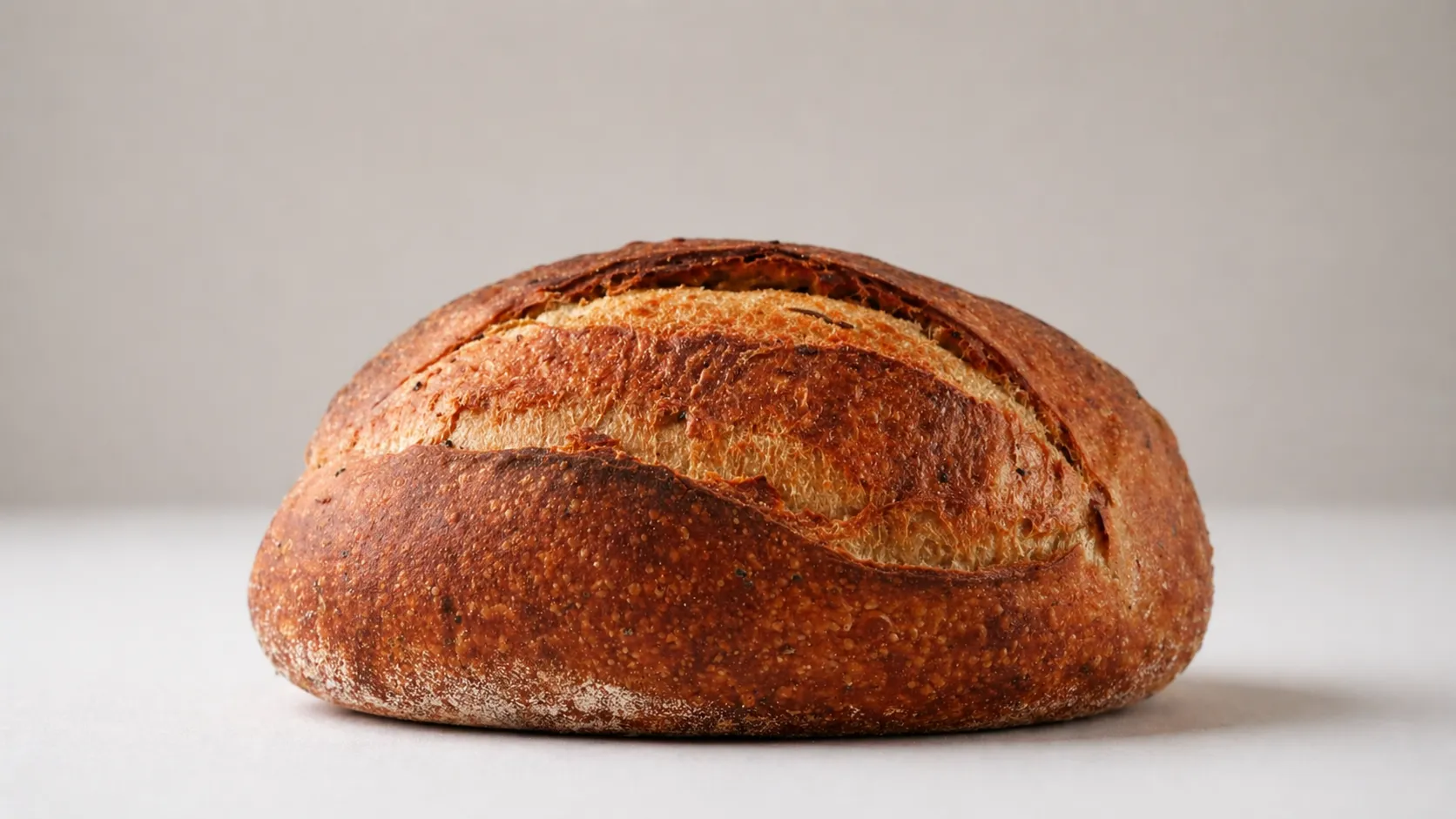
Soft fresh bread is a moderate choking risk - it can ball up into a doughy, sticky lump that clings to the roof of the mouth.
Lightly toast bread so it holds together and cut it into finger-width strips; skip loaves with whole seeds or nuts baked in, and choose a lower-sodium one, since babies need very little salt. See how to serve for age-by-age prep.
Allergens
Wheat is a common food allergen, and standard bread is made from wheat.[2]
There's no reason to delay it - offer bread around 6 months on a day you can watch baby, starting with a small amount on its own so you can spot any reaction. Once it's tolerated, keep it in the diet regularly to help baby stay used to it.
Many loaves also contain milk, egg, soy, or sesame, so read the label and serve those only once each is tolerated.
Wheat allergy usually doesn't stick around — about two-thirds of children grow out of it by age 12, and some of the rest do later. [2]
If baby refuses
Bread is usually well accepted. If it is refused, toast it a little more for a crisper, easier grip, or spread a thin layer of a familiar topping like mashed avocado or smooth nut butter. Whole-wheat tastes stronger, so start with a milder loaf if baby is unsure.
How to serve
6+ months old
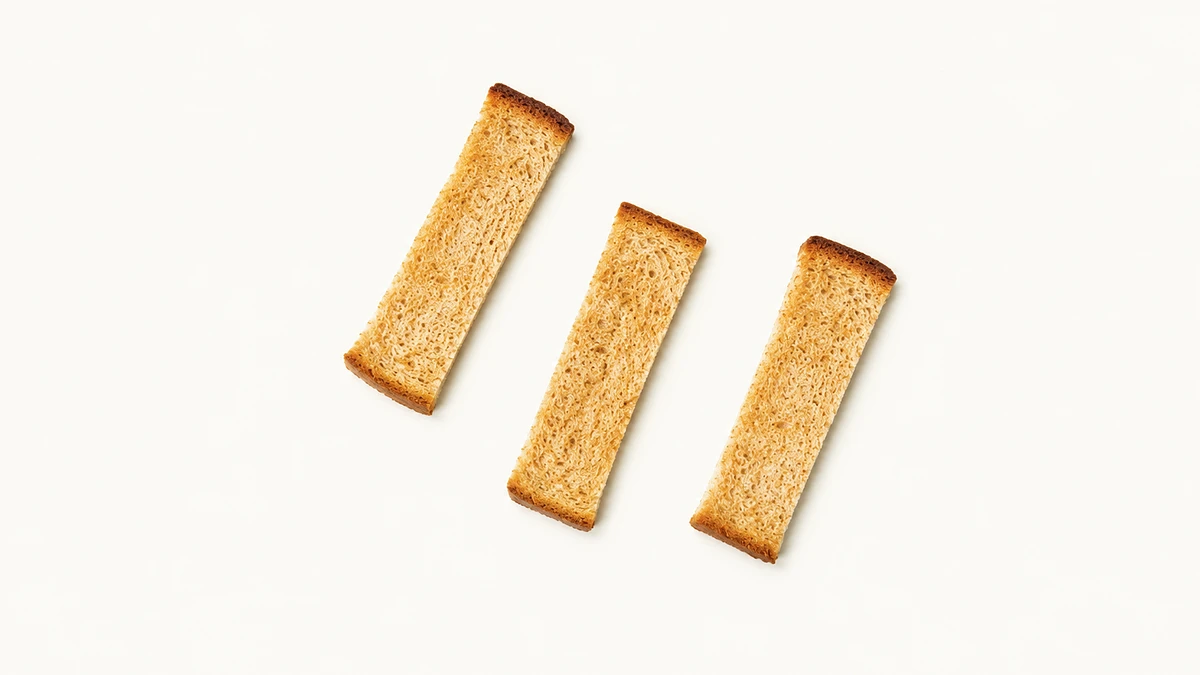
Toasted finger strips
Strips about the width of two adult fingers
Lightly toast bread so it holds its shape, then cut it into narrow strips about the width of two adult fingers for baby to grip and gnaw. Toasting helps avoid the doughy, gummy texture that soft fresh bread can form in the mouth. Choose a lower-sodium loaf and skip breads with whole seeds, nuts, or dried fruit baked in.
Do not offer bread made with honey before 12 months because of the risk of infant botulism, and keep added salt low.[1]
How to cook
No cooking needed beyond a light toast. Spread thinly with a soft topping if you like, such as mashed avocado, full-fat cream cheese, or a smooth nut or seed butter thinned out, to add flavor.
9+ months old
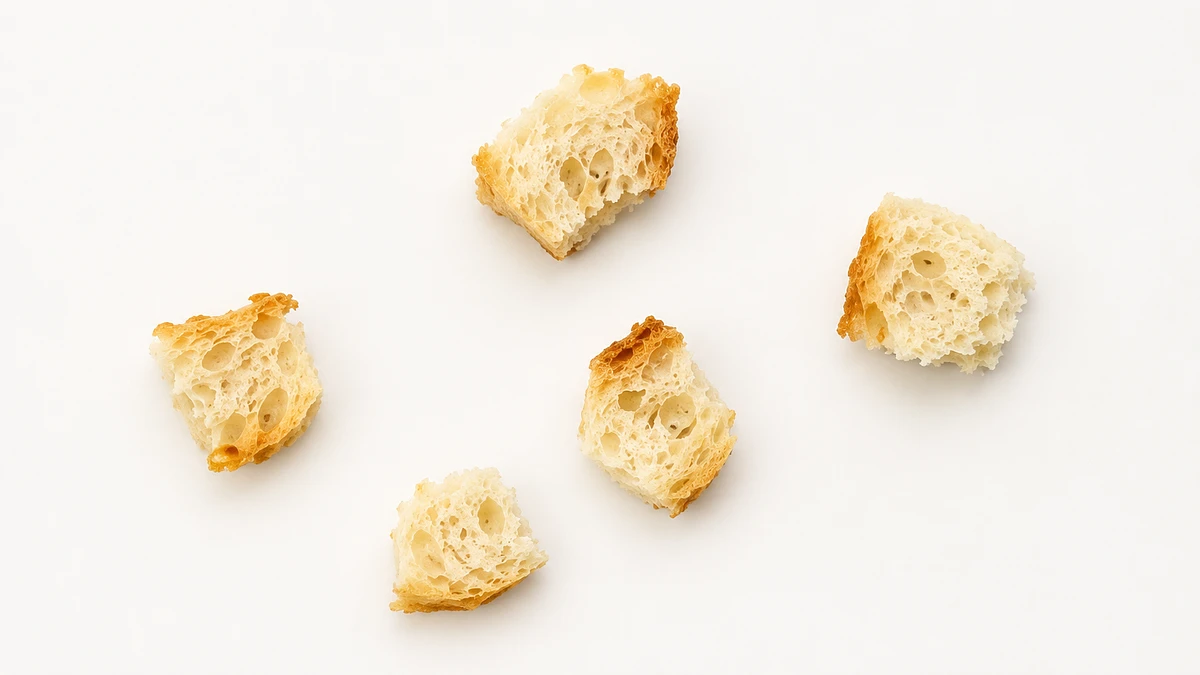
Bite-sized pieces or toasted strips
Pieces about 1/2 inch for a pincer grasp
Keep serving lightly toasted bread in strips. Once baby has a pincer grasp, where the thumb and forefinger meet to pick up small pieces, you can also offer bite-sized pieces of toast about 1/2 inch.
If baby tends to stuff too many in at once, offer one piece at a time. Continue to skip breads with whole seeds, nuts, or dried fruit, and any bread made with honey before 12 months.
How to cook
Lightly toasted is easiest to manage. A thin layer of mashed avocado or smooth bean puree, or a thinly spread nut or seed butter, helps it go down. Keep choosing a lower-sodium loaf.
12+ months old
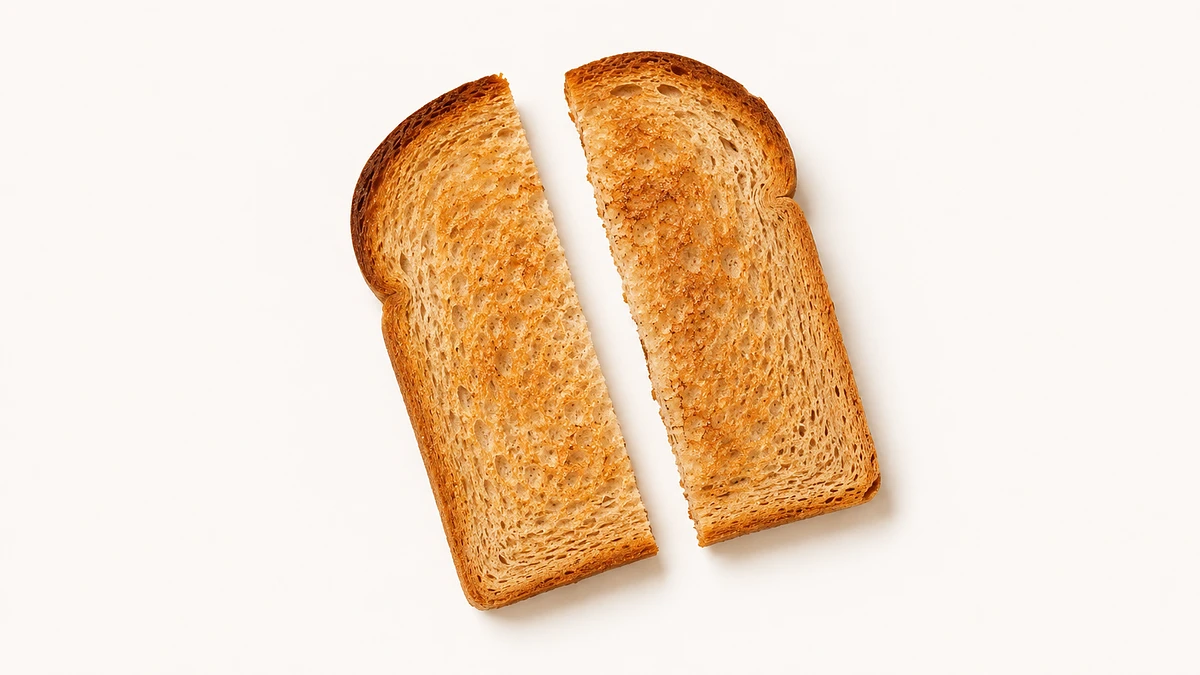
Strips, halves, or quarters of a slice
A slice cut into strips, halves, or quarters
Offer a wider variety of breads for biting and chewing practice, cut into strips, halves, or quarters. If your toddler is still newer to bread, keep toasting it, since toast is easier to move around the mouth than soft fresh bread.
Soft, sticky bread and breads spread with nut or seed butter can still cause some gagging as they learn, so serve a little at a time and stay close while baby eats.
How to cook
Toast it, use it in soft sandwiches, or make French toast. Honey can be added for flavor now that the botulism risk no longer applies, but keep added sugar and salt low by choosing a lower-sodium loaf and checking labels.[1]