 HeySolids
Choking risk
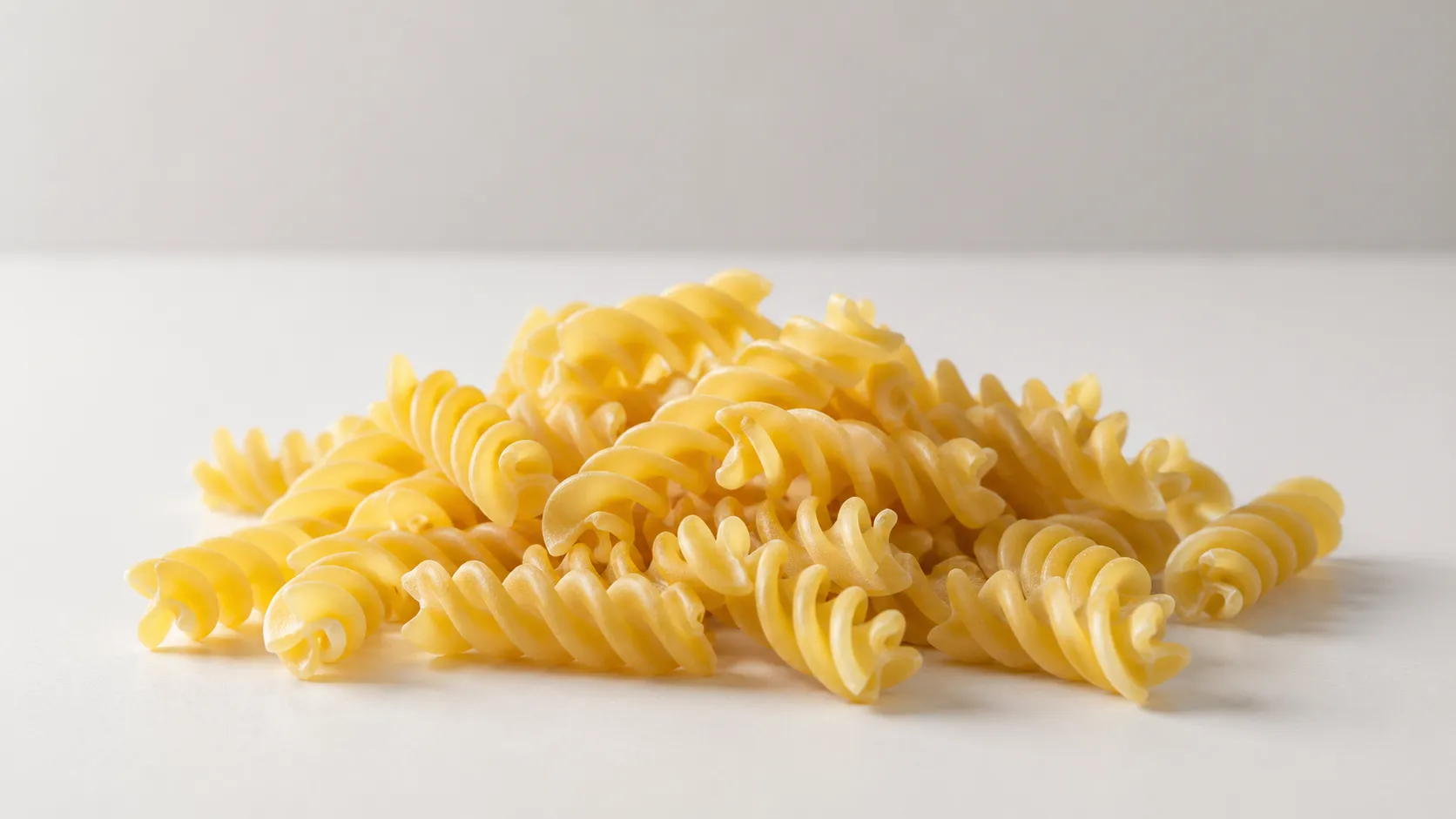
Soft, well-cooked pasta is a low choking risk - it squashes easily and is gentle for babies.
Cook it past al dente until a piece mashes between your fingers, and offer big shapes or long strands to early eaters. See how to serve for age-by-age prep.
Allergens
Wheat is a common food allergen, and standard pasta is made from wheat.[2]
Offer it around 6 months on its own on a day you can watch baby - introducing allergens early may help prevent an allergy. Start with a small amount, and watch for a reaction. Once your baby is comfortable with it, keep it in their regular diet.
Fresh and some dried pastas also contain egg, another common allergen, so check the label and serve those only once egg is tolerated.[1]
Most kids outgrow wheat allergy - around two-thirds by the time they're 12.
If baby refuses
Pasta is one of the more reliably accepted first foods. If a shape is refused, try a bigger one that's easier to hold, cook it softer, or stir through a mild sauce or a little olive oil.
How to serve
6+ months old
Large soft shapes
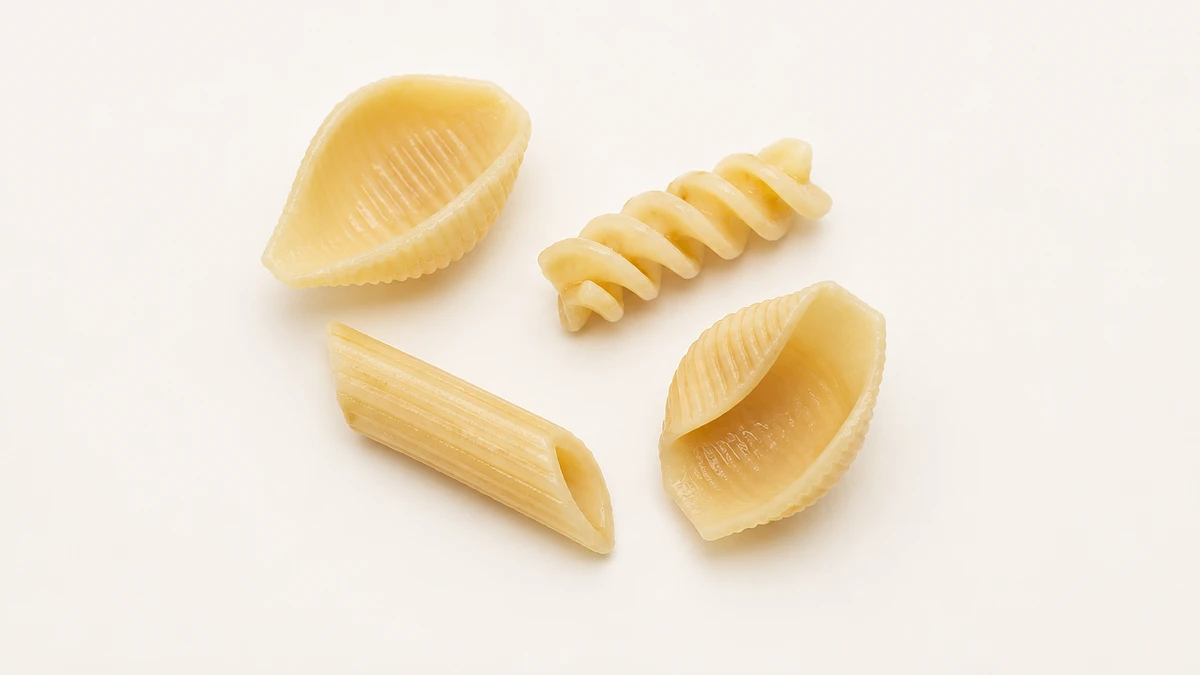
Whole fusilli, penne, or large shells
Offer whole large shapes such as fusilli, penne, or large shells - easier for a young baby to grasp and gnaw than small bits. Toss them in a little olive oil or a smooth, low-salt sauce so they're not slippery or sticky.[3]
Skip salt in the cooking water and keep any sauce low in salt - avoid jarred sauces and broth, which are often high in sodium.[4]
How to cook
Boil in unsalted water well past al dente, until a piece squashes easily between two fingers (roughly 1.5 times the package time).
9+ months old
Smaller soft shapes
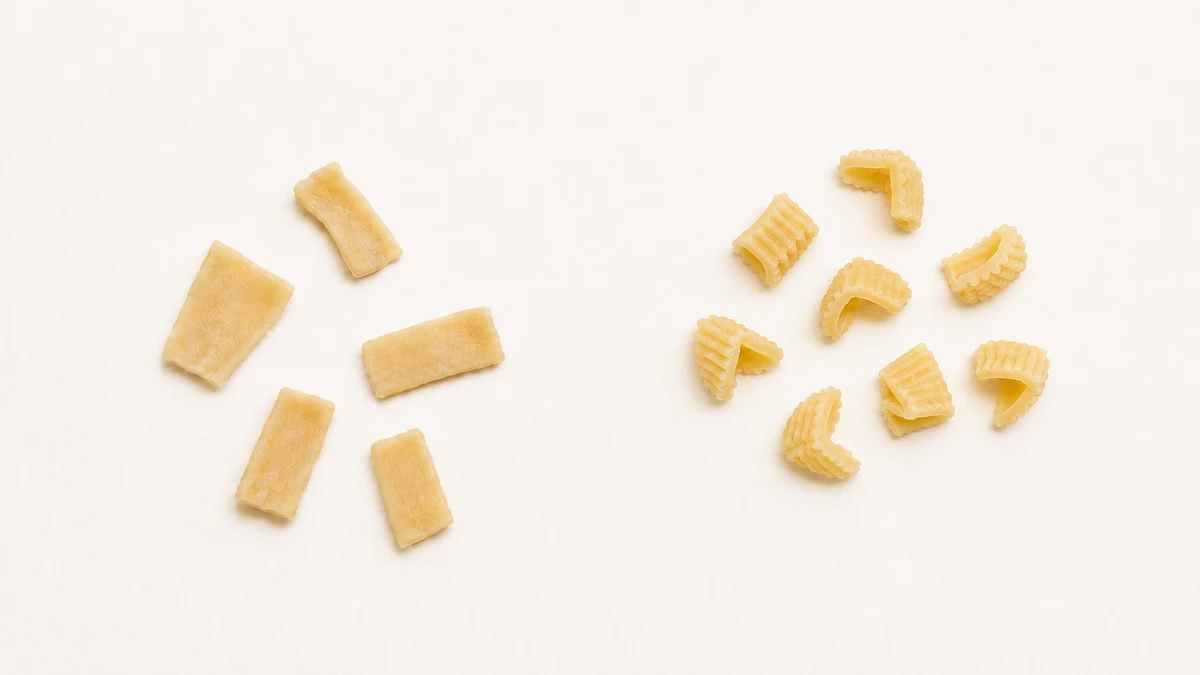
Bite-sized, about 1/2 inch
As the pincer grasp develops, babies can pick up smaller pieces. Offer macaroni, halved tubes, or short pieces of soft noodle. Slice tube shapes lengthwise into open halves so they don't form firm rings - easier to pick up and gnaw. If small pieces are tricky, keep offering larger soft shapes to gnaw.
How to cook
Still boil in unsalted water until soft. It can be a touch firmer than at 6 months but should stay easy to squash between your fingers.
12+ months old
Varied shapes, including soft long noodles
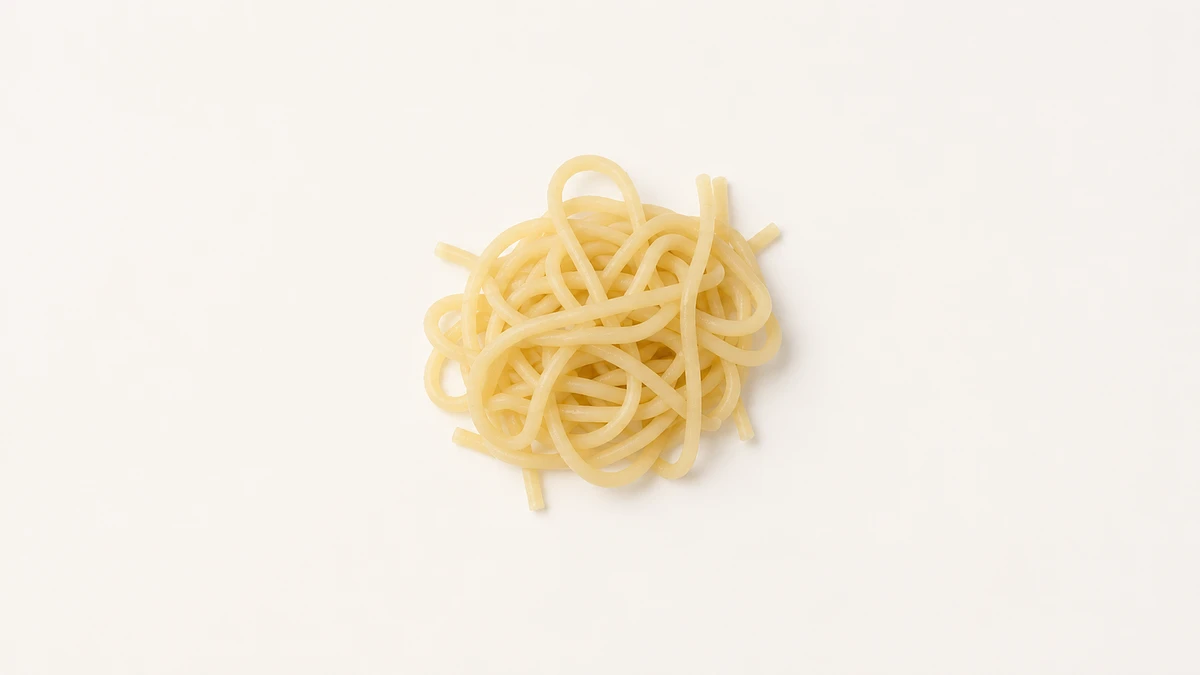
Bite-sized; cut long noodles shorter
Toddlers can handle a wider range, including soft long noodles like spaghetti - cut long strands shorter to start. Keep offering a fork to practice, even if they still scoop with their hands.[3]
How to cook
Cook to family preference, keeping it soft rather than firm. Continue to skip salt in the water and watch the salt in any sauce.[4]