 HeySolids
Choking risk
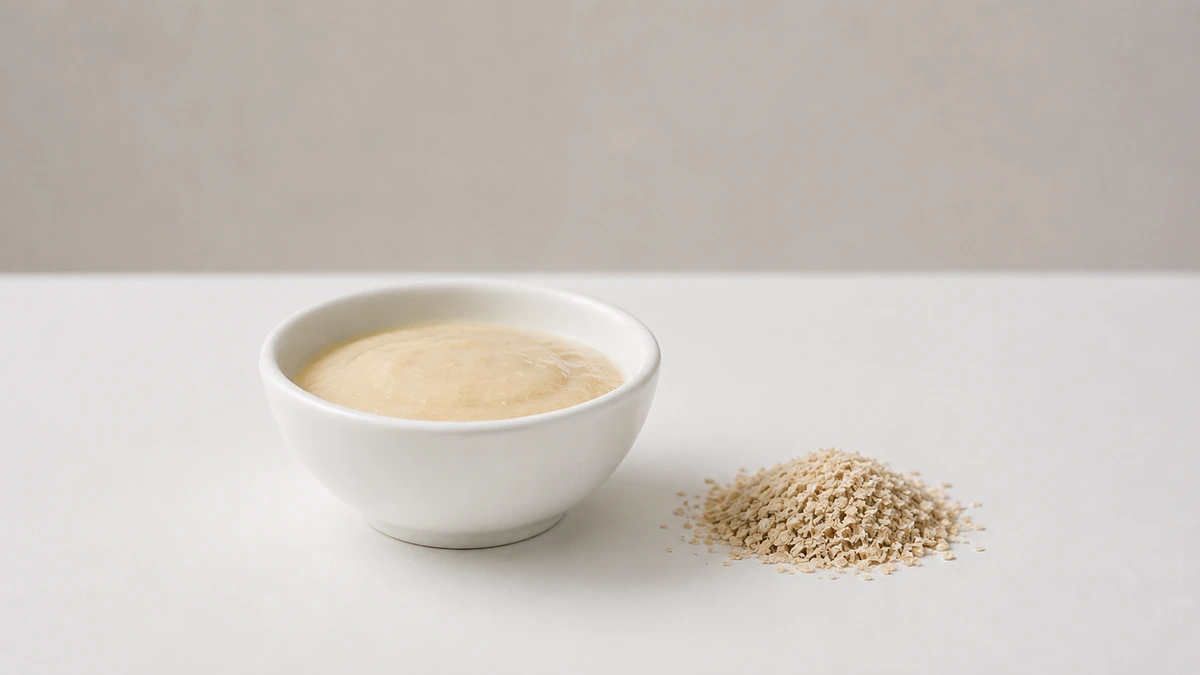
Mixed to a smooth, spoonable texture, infant cereal is a low choking risk.
Mix it with breast milk, formula, or water and serve it from a spoon - never add cereal to a bottle. See how to serve for age-by-age prep.
Allergens
Plain oat and rice infant cereals are not common food allergens, so a true allergy to them is rare.
Wheat and multigrain versions do contain wheat, a common allergen - check the box, and introduce wheat on its own before offering a multigrain blend. Some varieties also mix in milk or soy.[3][4]
Start with a small amount and watch for a reaction.
If baby refuses
Plain cereal is bland by design, so refusal is usually about taste. Mix it with more of the milk your baby already knows, stir in a spoonful of fruit puree or mashed banana, or shelve it for a few days and try again. Thinner often goes down better than thicker at first.
Food safety
Vary the grain rather than serving rice cereal every day - rice takes up more arsenic than other grains, so rotate oatmeal, barley, and multigrain through the week.[5][6]
How to serve
6+ months old
Thin, smooth cereal on a spoon
A few teaspoons, thinned with milk
Mix a spoonful or two of iron-fortified infant cereal with enough breast milk, formula, or water to make a thin, smooth texture, and spoon-feed it or pre-load a spoon for baby to grab. Fortified cereal is one of the easiest early iron sources, which matters because a baby's iron stores start running down around 6 months.[1]
Serve it from a spoon only - cereal added to a bottle is a choking risk and can lead to overfeeding.
How to prepare
Stir the dry cereal into warm milk or water until smooth and fairly runny - it thickens as it sits, so loosen it again if needed. Pick oatmeal, barley, or multigrain more often than rice.
9+ months old
Thicker cereal with texture mixed in
A few tablespoons, thick enough to hold on a spoon
Thicken the mix now and let it carry some texture. Stir in mashed fruit or plain whole-milk yogurt rather than serving it smooth every time, so your baby gets practice managing lumps. A thicker cereal also clings better to a spoon they're holding themselves.
Nut butter works too, once that nut has been offered on its own first - thin it with warm water or milk until it stirs in easily.
How to prepare
Use less liquid for an oatmeal-like consistency, then fold in mashed banana, grated pear, or yogurt. Rotate the grains through the week rather than serving rice cereal every day - FDA advises variety because rice takes up more arsenic from soil than other grains.
12+ months old
A regular breakfast bowl
A small bowl with fruit stirred in
Infant cereal can keep going as a breakfast base, mixed with whole cow's milk now, though many families simply move on to regular oatmeal and family porridge at this point - both work. Top with fruit rather than sugar, and let your toddler practice with the spoon themselves.
How to prepare
Mix with warm whole milk to a thick, scoopable texture and add berries, sliced banana, or a swirl of fruit puree. Skip flavored varieties with added sugar.