 HeySolids
Choking risk
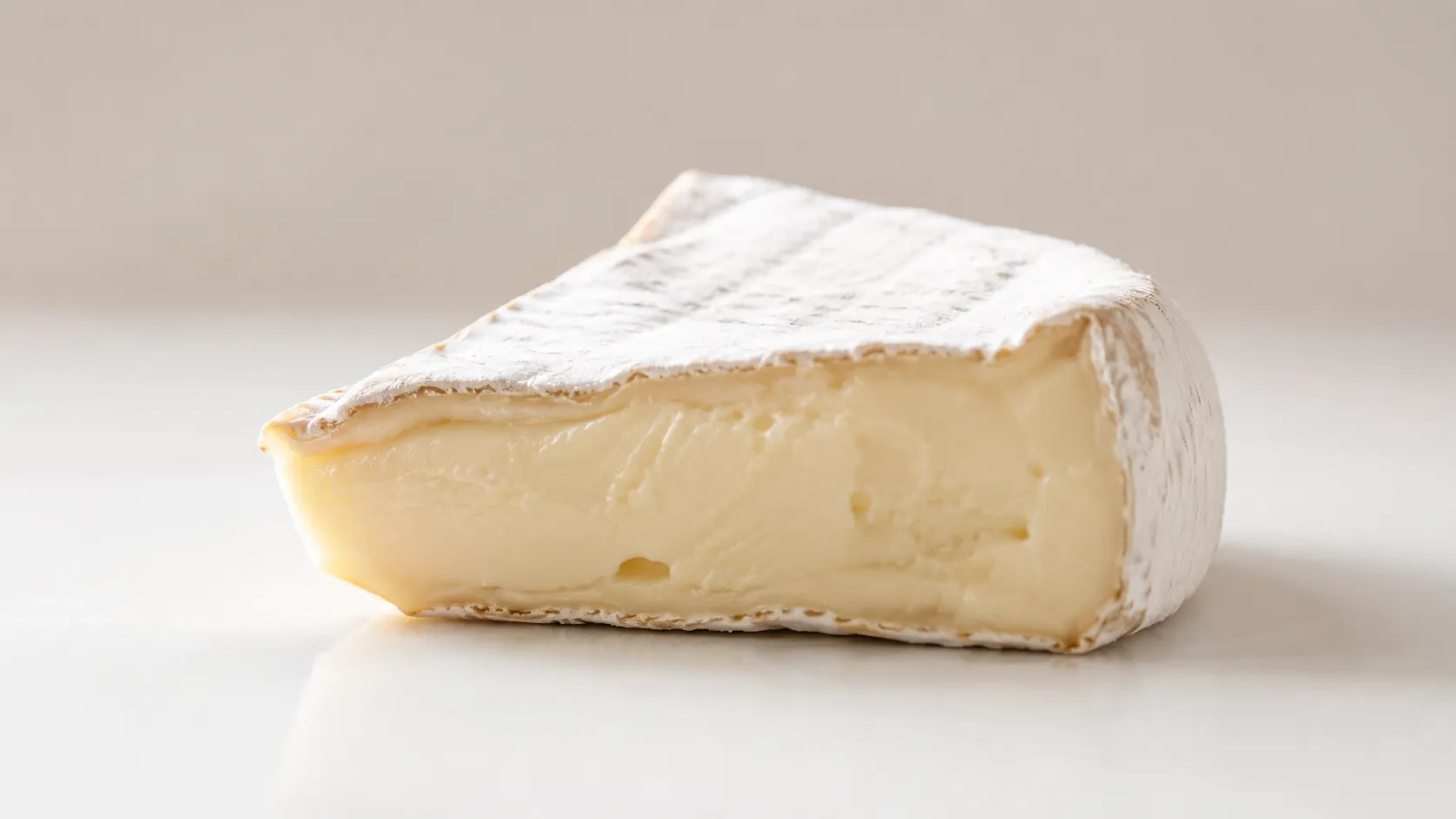
Brie is a low choking risk served melted - it softens into whatever it's cooked with.
Two things to mind: keep any melted layer thin, since a thick pool of brie turns sticky and clings, and trim off the white rind, which stays chewy even when the middle melts. See how to serve for age-by-age prep.
Allergens
Brie is made from cow's milk, and milk is a common food allergen. There's no reason to delay it, though - waiting doesn't prevent allergies, and allergens can start alongside other solids from around 6 months.[1]
Milk is the same allergen whatever form it takes, so brie counts toward the same introduction as yogurt or cheese.[3]
If your baby has severe eczema or an existing food allergy, check with your pediatrician before starting allergens. If dairy is already comfortably in the diet, brie needs no separate introduction - just serve it melted into food, fully hot, from the start.
If brie happens to be baby's first dairy, start with about 1/4 teaspoon melted through a familiar food, earlier in the day, not near bedtime, and watch for a reaction over the next couple of hours.[2] Once tolerated, keep dairy in the diet a few times a week.
Food safety
Brie is a soft-ripened cheese, the family where listeria risk concentrates - so for babies, serve it cooked into food until it's fully melted and piping hot, which settles the question.
Use pasteurized brie only, and babies are more vulnerable to food poisoning than adults.[3] Cold brie from the wedge is one for later childhood.
How to serve
6+ months old
Melted into food - never served cold or raw
Melt a small amount of brie into a soft dish - mashed potato, a baked pasta, cooked vegetables - until it's fully melted and piping hot, then let it cool to warm before serving.
Soft-ripened cheese can carry listeria, and cooking it through is what settles that. Keep the amount small: brie packs a lot of salt and richness into a little.
How to prepare
Trim off the white rind first - it stays chewy even when the middle melts - then stir a small piece through something hot until it disappears. It melts fastest cut small and added at the end, off the heat.
12+ months old
Small amounts cooked into family dishes
Brie can be cooked into small amounts of family dishes, like a baked tart, pasta, or melted over vegetables, as long as it is heated until steaming hot and then cooled. Even now, do not serve raw soft-ripened brie. It stays salty and rich, so a little is plenty.
How to cook
Bake or melt a little brie into a family dish until steaming hot throughout, then cool before serving. Pasteurized only, and always cooked.
Sources
- Food Allergies (the 9 major US allergens) - FDA
- When to Introduce Egg, Peanut Butter & Other Common Food Allergens - AAP HealthyChildren
- Milk - FARE
- Listeria monocytogenes in Soft-Ripened Cheese - FDA
- Foods and Drinks to Avoid or Limit (honey, added sugar, salt) - CDC
- When, What, and How to Introduce Solid Foods - CDC
- Cheese, brie (FDC 172177) - USDA FoodData Central