 HeySolids
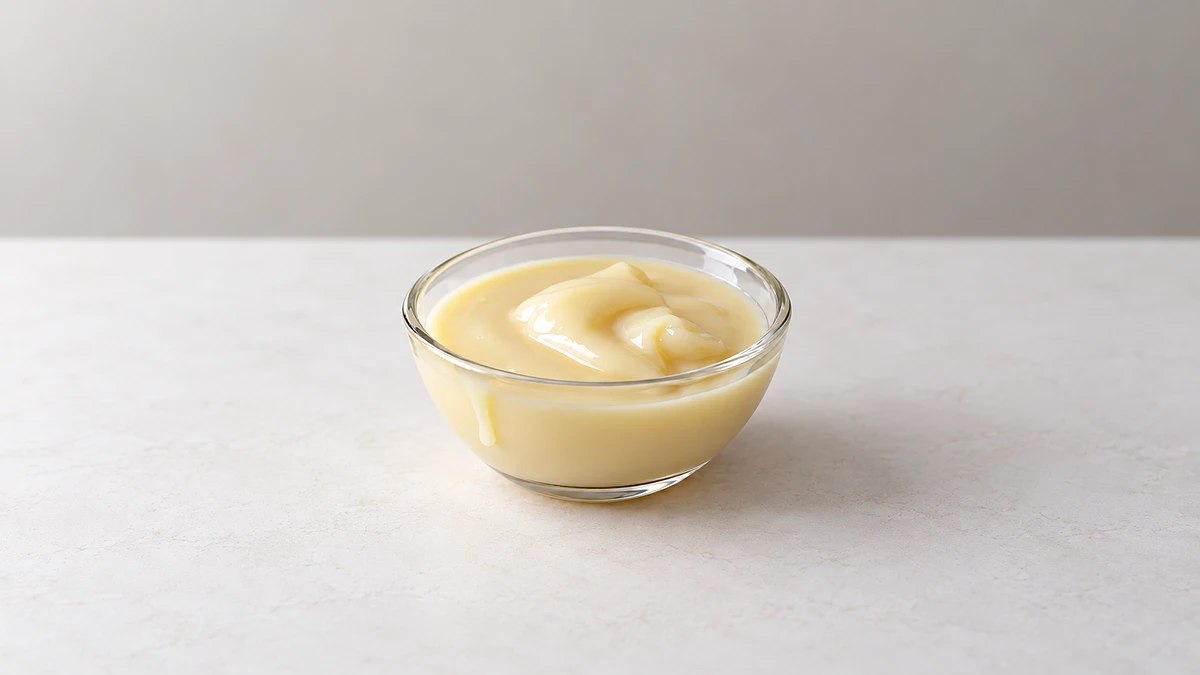
Can babies have condensed or evaporated milk?
Evaporated milk, yes, in food. It’s milk with about 60% of the water removed, so a spoonful in mashed potato, a sauce or a baked dish is just dairy, fine from 6 months. It isn’t a drink, though. Before 12 months, a baby’s milk is breast milk or infant formula, and the AAP warns against homemade formula of any kind. The evaporated-milk formula recipes of older generations lack iron and vitamins and don’t have the right balance of nutrients for a baby.[1][2]
Sweetened condensed milk is a different product. It’s milk cooked down with sugar until it’s more than half sugar, so a tablespoon has about 10 g. That’s added sugar, which children under 2 shouldn’t have, and the same goes for dulce de leche and the condensed milk in tres leches cake. After age 2, use it as an occasional dessert ingredient, by the teaspoon.[3]
Choking risk
Both are a low choking risk - liquids, stirred into food.
Use evaporated milk as an ingredient rather than a drink, and keep condensed milk off the spoon entirely in the early years. See how to serve for each age.
Allergens
Both are cow's milk, a common food allergen and one of the most common allergies in babies - condensing or evaporating milk doesn't change its proteins.[5][6]
If baby already eats yogurt or cheese, evaporated milk in a dish is nothing new. A baby with a known milk allergy will react to either can, and to anything baked with them.[7]
As with any new food, start with a small amount and watch for a reaction.
Food safety
Never use evaporated milk as a formula substitute, and never mix it into a drink for a baby under 12 months. The AAP warns that homemade formula can have dangerous mineral levels, be missing key nutrients or become contaminated, and babies have been hospitalized because of it. After 12 months, evaporated milk mixed half-and-half with water is close to whole milk nutritionally, but there’s no reason to choose it over regular milk.[2][1]
Sweetened condensed milk is mostly sugar. Keep it out of your baby’s oatmeal and drinks, which is how it often reaches young children. Once a can is open, move what’s left to a covered container in the fridge and use it within a few days.[4]
How to serve
6+ months old
Evaporated milk in cooked food, no condensed milk
A spoonful in a baby-sized portion
Stir evaporated milk into mashed potato, scrambled eggs, a cheese sauce or baked oatmeal for extra richness. It works like cream, with less fat. Use it as an ingredient, not a drink, and leave sweetened condensed milk on the shelf.
How to prepare
Use it straight from the can in cooking. Store what’s left covered in the fridge and use it within 3 to 4 days.
12+ months old
Evaporated milk in family dishes, condensed milk still waits
In a toddler portion of the family dish
From 12 months, evaporated milk is fine in any family cooking, and whole milk is the drink. Sweetened condensed milk waits until age 2, since it’s mostly added sugar.
How to prepare
Cook with it the same way as before. There’s no need to mix it with water as a drink; plain whole milk does that job.
24+ months old
A taste of condensed-milk desserts, now and then
A teaspoon in a dessert, occasionally
From age 2, a spoonful of dulce de leche on a pancake or a small slice of tres leches cake at a celebration is fine as an occasional treat. Added sugar should stay under 10% of a child’s daily calories, so keep portions small. Don’t use condensed milk to sweeten a child’s drinks.
How to prepare
Use it by the teaspoon, mixed into or spread on something, not on its own.
Sources
- Cow's Milk and Milk Alternatives (whole milk as a drink at 12 mo) - CDC
- Is Homemade Baby Formula Safe? - AAP HealthyChildren
- Milk, canned, condensed, sweetened (about 54 g sugar per 100 g) - USDA FoodData Central
- Dietary Guidelines for Americans 2020-2025 (birth-24 months: no added sugar/salt under 2) - USDA/HHS (PDF)
- Food Allergies (the 9 major US allergens) - FDA
- Milk - FARE
- When to Introduce Egg, Peanut Butter & Other Common Food Allergens - AAP HealthyChildren