 HeySolids
Choking risk
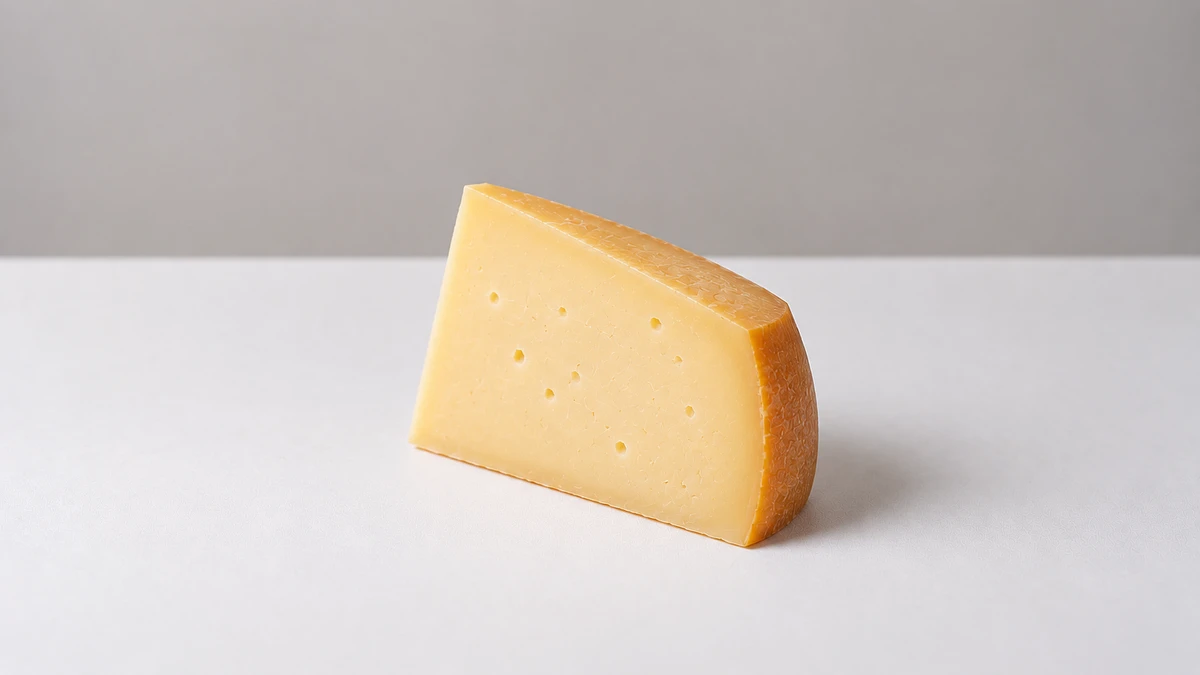
Gouda is a moderate choking risk - like other semi-hard cheeses, firm cubes or chunks can lodge in the throat.
Grate it or cut thin strips, never cubes, and keep any melted layer thin so it doesn't turn into a sticky glob. See how to serve for age-by-age prep.
Allergens
Gouda is made from cow's milk, a common food allergen and one of the most common allergies in babies.[1]
Introducing dairy early and keeping it in the diet helps lower allergy risk, and gouda counts toward the same milk introduction as yogurt or any other cheese.[2][3]
If dairy is new, offer a small amount on its own and watch for a reaction. Once your baby is comfortable with it, keep it in their regular diet.
If baby refuses
Young gouda is one of the gentler cheeses, so refusals are usually about texture. Try it melted - over vegetables, into eggs, on soft toast - where it turns smooth and sweet, and save the firmer aged wedges for when chewing is stronger.
Food safety
Gouda lands mid-range for salt - less than feta or blue cheese, more than ricotta - so keep servings to about 1/2 to 1 oz and skip adding salt elsewhere in the meal. Aged gouda runs saltier and sharper than young, so lean young for babies.[4]
Use pasteurized gouda - most supermarket wheels are, but specialty raw-milk goudas exist, so check the label.[5]
How to serve
6+ months old
Finely grated, or a thin melted layer
Start with young, pasteurized gouda in small tastes. Grate it finely over soft food, or melt a thin layer into scrambled egg or mashed vegetables and let it cool a little.
Skip cubes and chunks - firm cheese in those shapes is a choking risk - and keep melted layers thin, since a thick pool of gouda turns sticky as it cools.
How to cook
Grate finely, or melt a thin layer into a warm dish and cool before serving.
9+ months old
Grated or thin strips
Serve it grated or as thin strips baby can pick up and gnaw - gouda's flexibility makes good strips. Melting stays a favorite move: a thin layer over soft vegetables, into an omelet, or onto toast fingers. Cubes and thick chunks are still off the menu.
How to cook
Grate, cut thin strips, or melt a thin layer - let melted cheese cool before it reaches the tray.
12+ months old
Grated, thin slices, or thin strips
Offer thin slices or strips for biting practice, or melt it into grilled cheese, quesadillas, and family dishes. Young gouda still suits toddlers best; save the crunchy aged wedges for later childhood, and keep pieces thin rather than blocky.
How to cook
Slice thinly, grate, or melt into family meals - make sure melted cheese has cooled and hasn't hardened into firm clumps.
Sources
- Food Allergies (the 9 major US allergens) - FDA
- When to Introduce Egg, Peanut Butter & Other Common Food Allergens - AAP HealthyChildren
- Milk - FARE
- Foods and Drinks to Avoid or Limit (honey, added sugar, salt) - CDC
- The Dangers of Raw Milk (unpasteurized) - FDA
- When, What, and How to Introduce Solid Foods - CDC
- Cheese, gouda - USDA FoodData Central