 HeySolids
Choking risk
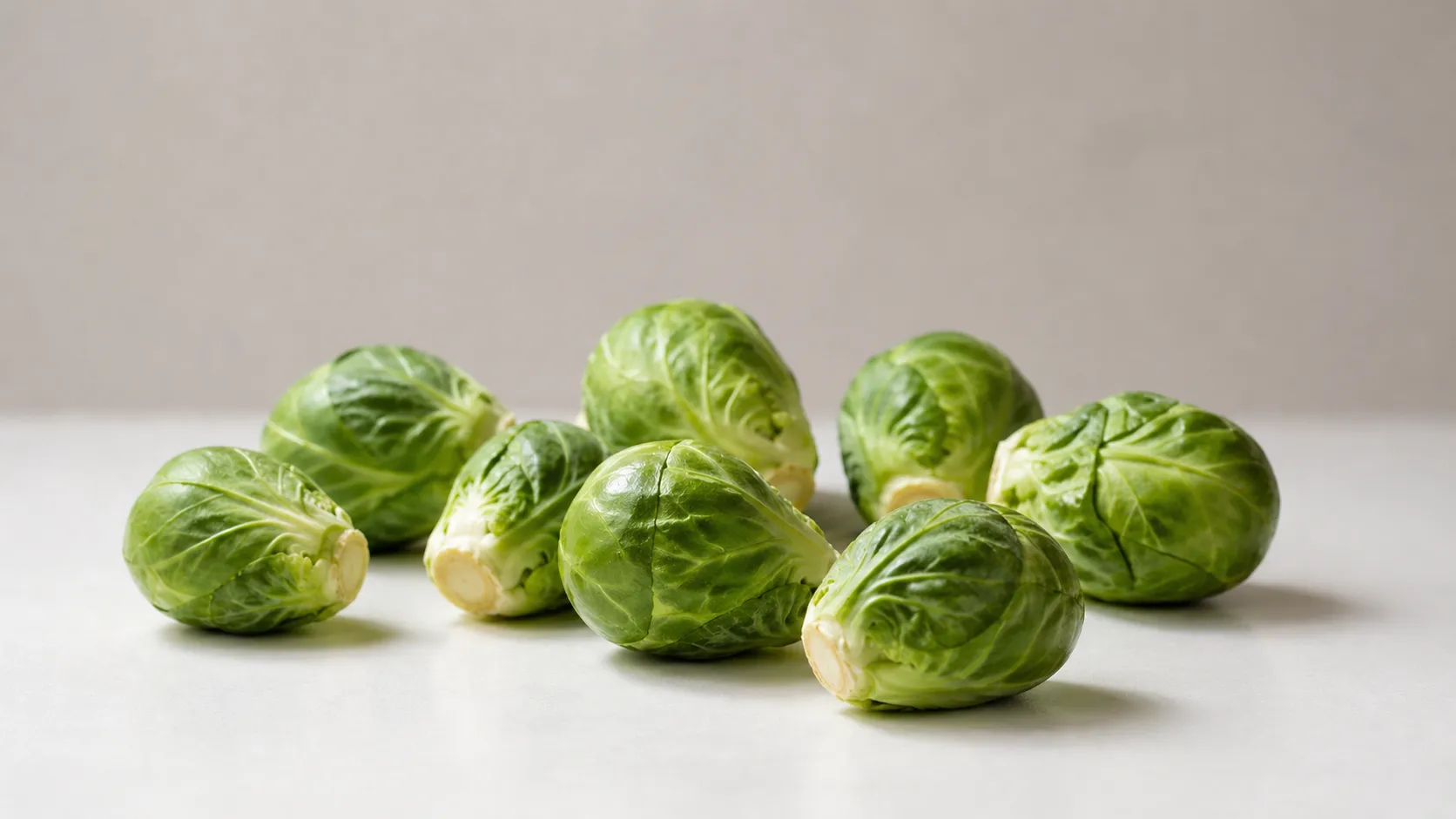
A whole brussels sprout is a moderate choking risk - it's round, firm, and bite-sized, the shape the CDC flags as a top choking hazard for young children.
Cook sprouts until very soft, then halve or quarter them lengthwise so they're no longer round, and pull the leaves apart for younger babies.
Never serve a whole sprout, raw or cooked. See how to serve for age-by-age prep.
Allergens
Brussels sprouts are not a common food allergen, so a true allergy to them is rare.[2]
Start with a small amount and watch for a reaction.
If baby refuses
Overcooked sprouts can taste bitter or smell sulfury, which puts many babies off. Roast them golden for a sweeter flavor, or fold finely chopped soft sprouts into mash or a mild cheese sauce. Bitter vegetables often take many tries, so keep offering them.
How to serve
6+ months old
Soft leaves, quarters, or mash
Separated leaves, or quartered lengthwise
Cook sprouts until very soft, then peel off the outer leaves and serve them flat, or quarter the sprout lengthwise so it's no longer round. You can also chop and mash the soft flesh into a soft food like mashed potato or a smooth purée. Remove any tough core. Never offer a whole or halved sprout.
How to cook
Quarter the sprouts first, then steam or boil for about 12 to 15 minutes until very soft. They're done when a piece presses easily between two fingers.
9+ months old
Small soft quartered pieces
About 1/2 inch, pea- to bite-sized
Cut soft-cooked sprouts into small quartered pieces for pincer-grasp practice, keeping the tough core off. Soft chopped sprouts also fold well into mashed potato or simple fritters. Never offer a whole or halved sprout.
How to cook
Steam or boil until soft enough to press easily, or roast halved sprouts at 400°F for 20 to 25 minutes for a sweeter flavor, then cut small.
12+ months old
Soft quartered or shredded sprouts
Quartered, or shredded and cooked soft
Serve sprouts quartered, or shredded and cooked soft - sautéed shredded sprouts are easy to manage since the round shape is gone entirely. They work well in family dishes: roasted, stirred through pasta, or mixed into mash, with any tough core removed. Keep quartering rather than halving whole sprouts, since they stay round and firm. Raw shredded sprouts are still too firm to chew, so cook them soft first. This is a good time to offer a fork.
How to cook
Steam, boil, or roast at 400°F until soft, then quarter - or shred thinly and sauté until soft and wilted. Keep them soft enough to press easily.
Tips
- Roast them, don't boil them. Boiling is where sprouts get their reputation - it makes them sulphurous and bitter. Roasting turns them sweet and nutty instead, and it's the difference between a sprout a baby spits out and one they'll actually eat. A little olive oil, 400°F, until soft and golden.
- Small sprouts are sweeter. Big sprouts are more bitter and take longer to soften through; the small tight ones are milder and cook evenly. Worth picking through the box rather than grabbing the biggest.
- The outer leaves are the easiest bit. Peel a few soft leaves off a cooked sprout and you've got flat, soft pieces with no round shape at all - the simplest way to give a young baby sprout without any cutting, and easier for them to manage than pieces.