 HeySolids
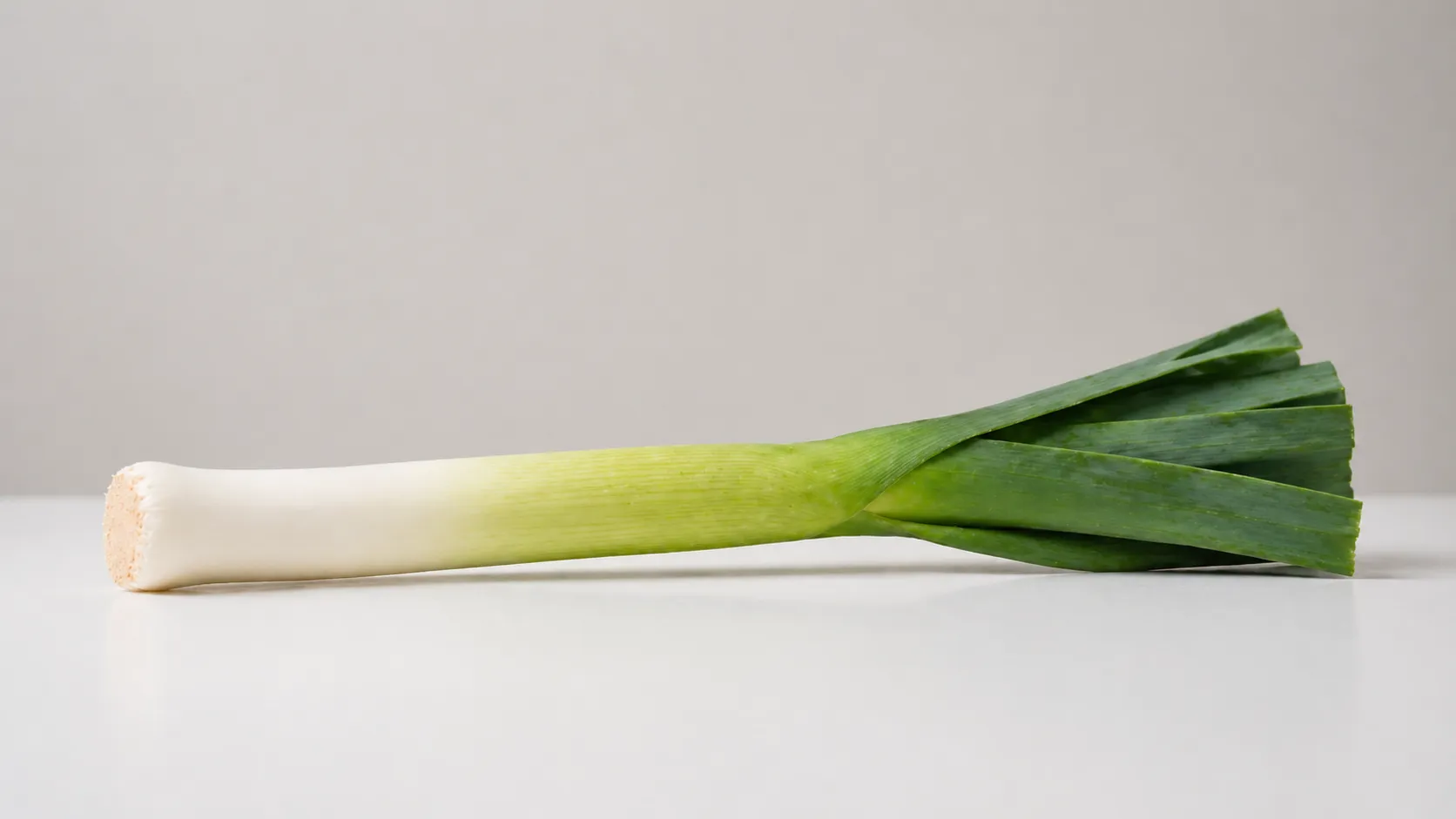
Choking risk
Cooked leek is a low choking risk; the risk comes from raw leek and long, stringy cooked layers that can ball up in the mouth.
Slice leek thinly across the rings before cooking so the pieces stay short, cook it until soft, and skip raw leek and whole rings. See how to serve for age-by-age prep.
Allergens
Leek is not a common food allergen, so a true allergy to it is rare.[1]
Allergy across the onion family is uncommon, and the proteins involved break down with heat, so cooked leek - how babies eat it anyway - is gentler still. Larger amounts can cause a little gas, which is harmless and not an allergic reaction.[1]
Start with a small amount and watch for a reaction.
If baby refuses
Cook leek longer until fully soft and sweet, then blend it into a food baby already likes, such as potato, egg, or pasta, where its flavor mellows into the dish.
How to serve
6+ months old
Cooked soft, finely chopped into food
Soft cooked leek cooked into mash, puree, or soup
Cook leek until very soft, then finely chop it and stir it through a soft food like mashed potato, a purée, or a soft risotto. Use the white and pale-green part, which cooks tender - the dark green tops stay tough. Cut it small rather than in rings, which can separate into stringy loops. Leek is milder and sweeter than onion, so it's an easy way to add flavour.
How to cook
Trim off the dark green tops and the root, then slice and rinse very well - leeks trap grit between their layers. Sauté or simmer gently until soft, about 8 to 10 minutes. Chop finely before serving.
12+ months old
Soft pieces in family dishes
Bite-sized soft pieces, or sliced small
Serve soft-cooked leek in family meals - in leek and potato soup, stirred through pasta or risotto, baked into a gratin, or softened as a side. Keep using the white and pale-green part, cut into small pieces or thin slices rather than long rings, which can separate into stringy loops. Cook it until fully soft, and offer a fork for practice.
How to cook
Trim off the dark green tops and root, then slice and rinse very well to wash out any grit. Sauté, braise, or simmer until soft. Keep added salt low in dishes shared with baby, and skip salty stock cubes.
Tips
- Slice first, then wash - don't wash it whole. Grit hides deep between the layers, and rinsing a whole leek won't shift it. Slice it into rounds or half-moons first, then swish the pieces in a bowl of water so the dirt sinks, and lift them out. It's the only way to actually get them clean.
- Save the tough green tops for stock. The dark green upper part is too fibrous to serve a baby, but it's full of flavour - throw it in the pot when you're making a stock or simmering a soup, then fish it out. Nothing wasted, and no salt needed to get flavour from it.
- Leek and potato is the classic first way in. Softened leek blended with potato makes a mild, creamy soup or mash that's naturally baby-friendly - no strong onion bite, smooth texture, and it freezes well in portions. It's the easiest way to introduce leek and usually goes down well.