 HeySolids
Choking risk
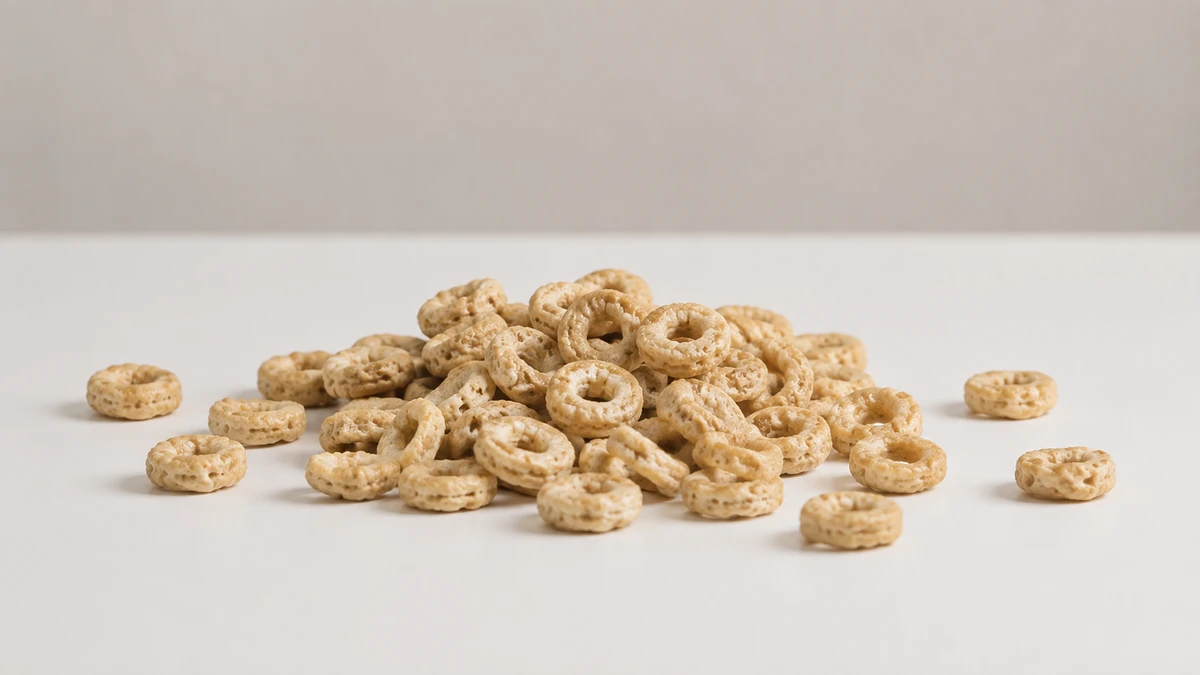
Flaky and O-shaped cereals are moderate choking risk. They're round and firm when dry, and they need to soften before they're safe.
Let them sit in breast milk, formula, water or yogurt until they give way easily, and use plain whole milk only after 12 months.
Granola clusters and any cereal with whole nuts or seeds are the exceptions. They stay hard even once wet, so they wait until age 4.
Let flakes soften in the milk before serving, and hold the crunchy clusters for later years. See how to serve for age-by-age prep.
Allergens
Most breakfast cereals are made from wheat, a common food allergen.[1]
Many boxes also carry milk, soy, almonds, or peanuts, so read the ingredients before pouring - and introduce each allergen on its own before offering a cereal that contains it. Corn, rice, and oat cereals are often wheat-free, but the label decides.[2]
Start with a small amount and watch for a reaction.
Food safety
Sugar is the real issue in the cereal aisle. Children under 2 should have no added sugar at all, and most kid-marketed cereals are closer to dessert than breakfast - so under 2, stick to plain, low-sugar choices like unsweetened O's, plain wheat biscuits, or plain cornflakes.[3][4]
Check sodium too - some plain-looking cereals run surprisingly salty.
How to serve
12+ months old
Plain, low-sugar cereal softened in milk
A small bowl with whole milk
Choose a plain, low-sugar cereal - unsweetened O's, plain wheat biscuits, or plain flakes - and let it soften in whole milk before serving. It makes an easy spoon-practice breakfast, and fruit on top does the sweetening.
Skip granola with clusters or nuts, and leave the sweetened character-box cereals on the shelf - under 2, added sugar isn't recommended at all.[3]
How to prepare
Pour a small serving, cover with whole milk, and give it a minute to soften. Add berries or sliced banana for flavor instead of choosing a sweetened box.
24+ months old
Cereal with milk as a family breakfast
A small bowl, low-sugar most days
Cereal with milk can be a regular family breakfast now - keep the low-sugar boxes as the default and treat sweetened cereals the way you'd treat cookies: an occasional thing, not the morning routine. Once a taste for sweet cereal sets in, it's hard to walk back.
Granola clusters and cereals with whole nuts are still choking hazards until around 4, so keep holding those back.[5]
How to prepare
Serve with whole milk and fruit. When comparing boxes, scan the added-sugar line - a low number and a short ingredients list are the two things worth checking.
Sources
- Wheat - FARE
- When to Introduce Egg, Peanut Butter & Other Common Food Allergens - AAP HealthyChildren
- Dietary Guidelines for Americans 2020-2025 (birth-24 months: no added sugar/salt under 2) - USDA/HHS
- Foods and Drinks to Avoid or Limit (added sugar, salt) - CDC
- Choking Hazards (Infant & Toddler Nutrition) - CDC