 HeySolids
Choking risk
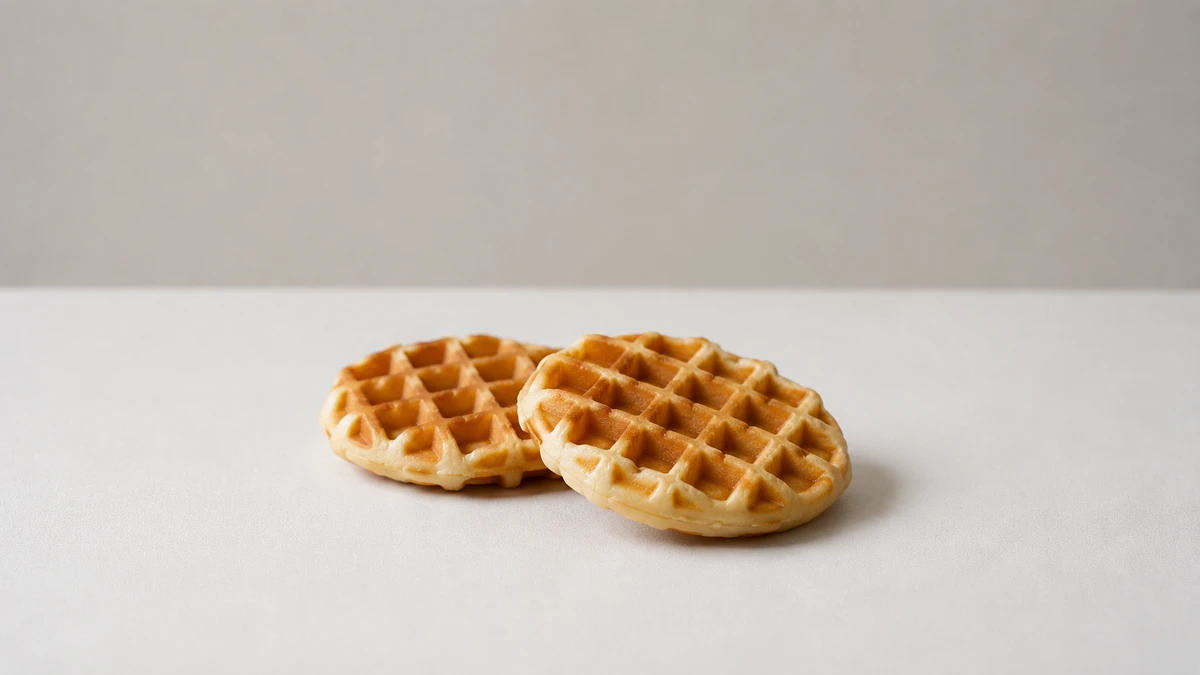
A soft, cooked-through waffle is a low choking risk - easy for babies to gum and chew.
Keep waffles soft rather than crisp and serve them in finger-width strips - a dry, toasted waffle crumbles, and a doughy center can clump in the mouth. See how to serve for age-by-age prep.
Skip syrup and honey before 12 months, and leave added sugar out of the batter.
Allergens
Waffles bundle three common allergens - wheat, egg, and milk - into a single bite.[1]
Introduce each one on its own first, so a reaction points to a single food. Once all three are tolerated, waffles are an easy way to keep them in the diet - steady exposure helps prevent an allergy.[2]
As with any new food, start with a small amount and watch for a reaction.
If baby refuses
It's usually dryness that puts a baby off a waffle. Top strips with mashed fruit or a thin spread of plain yogurt for moisture, and keep them on the soft side rather than toasted crisp. It can take many tries before a new food sticks.
How to serve
6+ months old
Soft strips
Strips about two adult fingers wide
Make waffles at home with no added sugar or salt, cook them through so they're soft rather than crisp, and slice into strips about two adult fingers wide for baby to hold. Introduce wheat, egg, and milk separately first, before offering a waffle that combines them.
No syrup or honey before 12 months - honey carries a risk of infant botulism. Mashed banana or grated apple worked into the batter gives flavor without added sugar.
How to cook
Whisk flour, egg, and milk into a batter and cook in a waffle iron until set all the way through with no wet center. Cool, then slice into strips. Pull them out before they brown deeply - soft is easier to manage than crisp at this age.
9+ months old
Bite-sized pieces
Pieces about 1/2 inch
As the pincer grasp develops, tear waffles into bite-sized pieces for baby to pick up - the grid squares make natural tear lines. Strips still work well for biting practice, so follow baby's lead on size.
How to cook
Cook as before, soft and cooked through, then tear into pieces. Fold soft fruit or finely grated vegetables into the batter for variety, and keep added sugar and salt out.
12+ months old
Quarters or mini waffles
A waffle cut into quarters
Serve waffle quarters or mini waffles and let your toddler take their own bites. Frozen waffles can join the rotation occasionally now - they run sweeter and saltier than homemade, so compare labels and pick the plainest.
Syrup stays off the plate until age 2 - no added sugar is the guidance before then - and works better as an occasional light drizzle after that. Mashed berries or yogurt fill the pockets just as happily.
How to cook
Toast frozen waffles lightly so they stay soft in the middle, and cut into quarters. For homemade, try savory versions with grated cheese or corn folded into the batter.
Tips
- Make a batch, freeze your own. Homemade waffles freeze beautifully and reheat in the toaster just like the boxed kind - with none of the added sugar and salt. One weekend batch covers a week of breakfasts.
- Read a frozen box like a cereal box. Frozen waffles vary a lot - some carry several grams of added sugar and a fair bit of sodium per waffle, others much less. Comparing a couple of labels and picking the plainest one is the whole trick.
Sources
- Food Allergies (the 9 major US allergens) - FDA
- When to Introduce Egg, Peanut Butter & Other Common Food Allergens - AAP HealthyChildren
- Wheat - FARE
- Foods and Drinks to Avoid or Limit (honey, added sugar, salt) - CDC
- Dietary Guidelines for Americans 2020-2025 (birth-24 months: no added sugar/salt under 2) - USDA/HHS (PDF)