 HeySolids
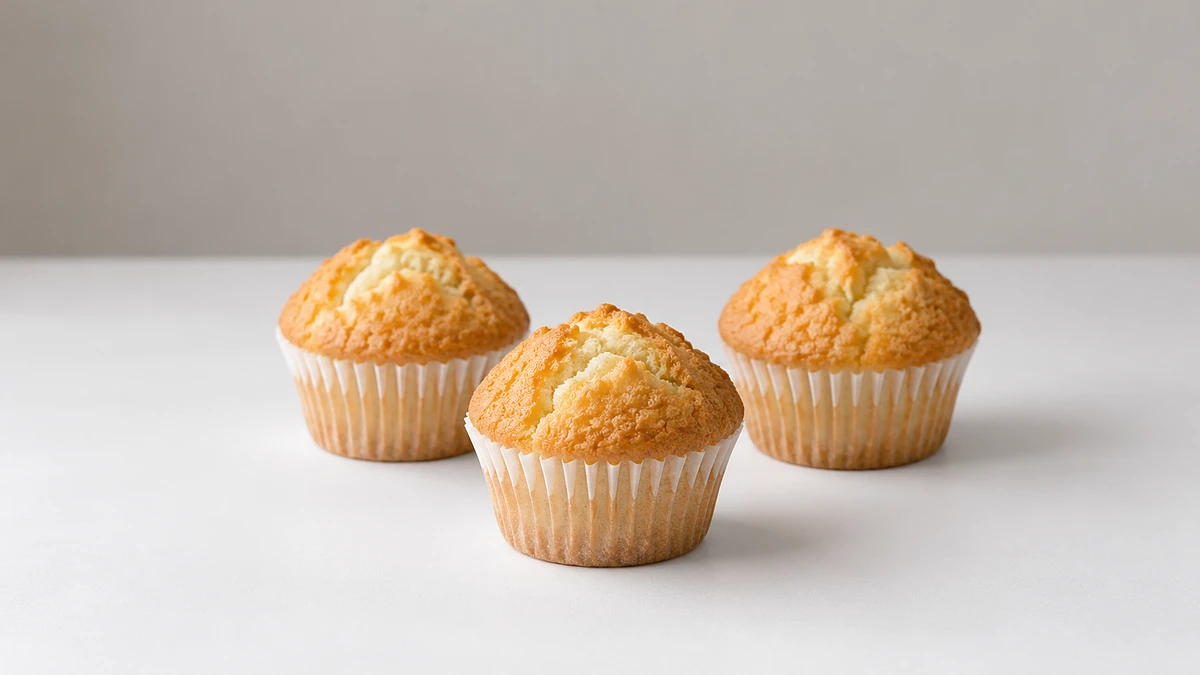
Can babies have muffins?
Yes, from around 6 months, as long as it’s homemade with no added sugar. A full-size muffin sweetened with banana or unsweetened applesauce, cut into finger-length strips, makes an easy finger food. The recipe is what matters: the CDC lists muffins among foods with added sugar, which isn’t recommended before age 2.[1][2]
Muffins from a bakery, coffee shop or boxed mix are really cake. A shop-bought blueberry muffin has about 32 g of sugar per 100 g, almost all of it added, so a medium one has around 36 g. That’s more than the AAP’s daily limit of 25 g of added sugar for children over 2. Save these for after age 2, and then as an occasional treat.[3][2]
Choking risk
Muffins are a low choking risk - the crumb is soft and breaks down easily. The add-ins are the hazard: whole blueberries, raisins, nuts and seeds are on the CDC's choking list.
Mash or halve berries, chop raisins small, leave out whole or chopped nuts and seeds, and serve a moist muffin in strips rather than a dry, crumbly one. See how to serve for age-by-age prep.
Allergens
A standard batter brings wheat, egg and milk together, and each is a common food allergen.[7]
Introduce each, and any nut butter you add, on its own first, then keep them in the diet routinely - a muffin serves all three at once.[8] With bakery and boxed muffins, check the label for peanut, tree nuts or soy and for a voluntary "may contain" line, or ask.[7]
Start with a small amount and watch for a reaction.
Food safety
Added sugar is why the recipe matters. Children shouldn’t have any before age 2, and after that it should stay under 10 percent of their calories. Muffins labelled “sugar-free” often use sweeteners instead, and those aren’t recommended under 2 either.[4]
Honey is the other thing to watch. It’s off the table before 12 months in any form, raw or baked, because of the risk of infant botulism.[1][4] After that, it still counts as added sugar.[2]
Bakery muffins are salty too. The USDA’s entry for a shop-bought blueberry muffin lists about 340 mg of sodium per 100 g, another reason a homemade batch with no added salt is the better choice for a baby.[3]
How to serve
6+ months old
Full-size muffin cut into strips, or crumbled into yogurt
Finger-length strips, about two fingers wide
Bake a muffin with no added sugar and cut it into finger-length strips about two fingers wide, or crumble it into plain yogurt or oatmeal. Mash any fruit into the batter rather than leaving it whole, and skip whole nuts, dried fruit and chocolate chips. Keep the muffin moist, since a dry crumb is harder for a new eater to manage.
How to cook
Use mashed ripe banana or unsweetened applesauce as the only sweetener, with whole-wheat flour, an egg, milk or oil and baking powder. Bake in a regular muffin tin at 350°F for 20 to 25 minutes, until the tops turn golden brown.[9] No salt, sugar or honey.[1] Offer egg, wheat and milk on their own before this batter.[8]
9+ months old
Small pieces for the pincer grasp, berries mashed or halved
Bite-sized pieces
Break a mini muffin into small pieces so baby can practice the pincer grasp. Mash or halve any berries and chop raisins small before they go in, since the CDC lists uncut berries and raisins as choking hazards. A spoon of yogurt alongside keeps a drier batch going down easily.
How to cook
Same batter with the berries folded in, or grate in carrot or zucchini for a savory muffin. Minis take 13 to 15 minutes at 350°F, until the tops turn golden brown.[9]
12+ months old
A whole homemade mini muffin; bakery muffins still wait
From 12 months, a toddler can hold a whole homemade mini muffin and bite pieces off. Muffins made with sugar or honey, and bakery muffins, still wait until 2, since both count as added sugar. Keep chopping raisins and halving berries. Whole or chopped nuts and seeds wait until about 4, which is when the AAP says high-risk choking foods are OK. Nut butter is fine spread thinly, but never in thick blobs.
Tips
- Bake minis and freeze them. One thaws in minutes on the counter and rides in the diaper bag; a full-size muffin is three or four baby portions anyway.
- Read "sugar-free" twice. Sugar-free mixes and bakery muffins tend to lean on sweeteners in place of sugar. Mashed ripe banana or unsweetened applesauce sweetens a batch without either.
- Go savory sometimes. Grated zucchini, carrot or cheese in the same batter makes a muffin that's lunch, not dessert.
Sources
- Foods and Drinks to Avoid or Limit (honey, added sugar, salt) - CDC
- How to Reduce Added Sugar in Your Child's Diet - AAP HealthyChildren
- Muffins, blueberry, commercially prepared (includes mini-muffins), FDC 172765 - USDA FoodData Central
- Dietary Guidelines for Americans 2020-2025 (birth-24 months: no added sugar/salt under 2) - USDA/HHS
- Choking Hazards (Infant & Toddler Nutrition) - CDC
- Choking Prevention for Babies & Children - AAP HealthyChildren
- Food Allergies (the 9 major US allergens) - FDA
- When to Introduce Egg, Peanut Butter & Other Common Food Allergens - AAP HealthyChildren
- Mini Banana Oat Muffins (cited for bake times only: 350°F; 13-15 minutes for minis, 20-25 for regular muffins) - Texas WIC, Texas Health and Human Services