 HeySolids
Choking risk
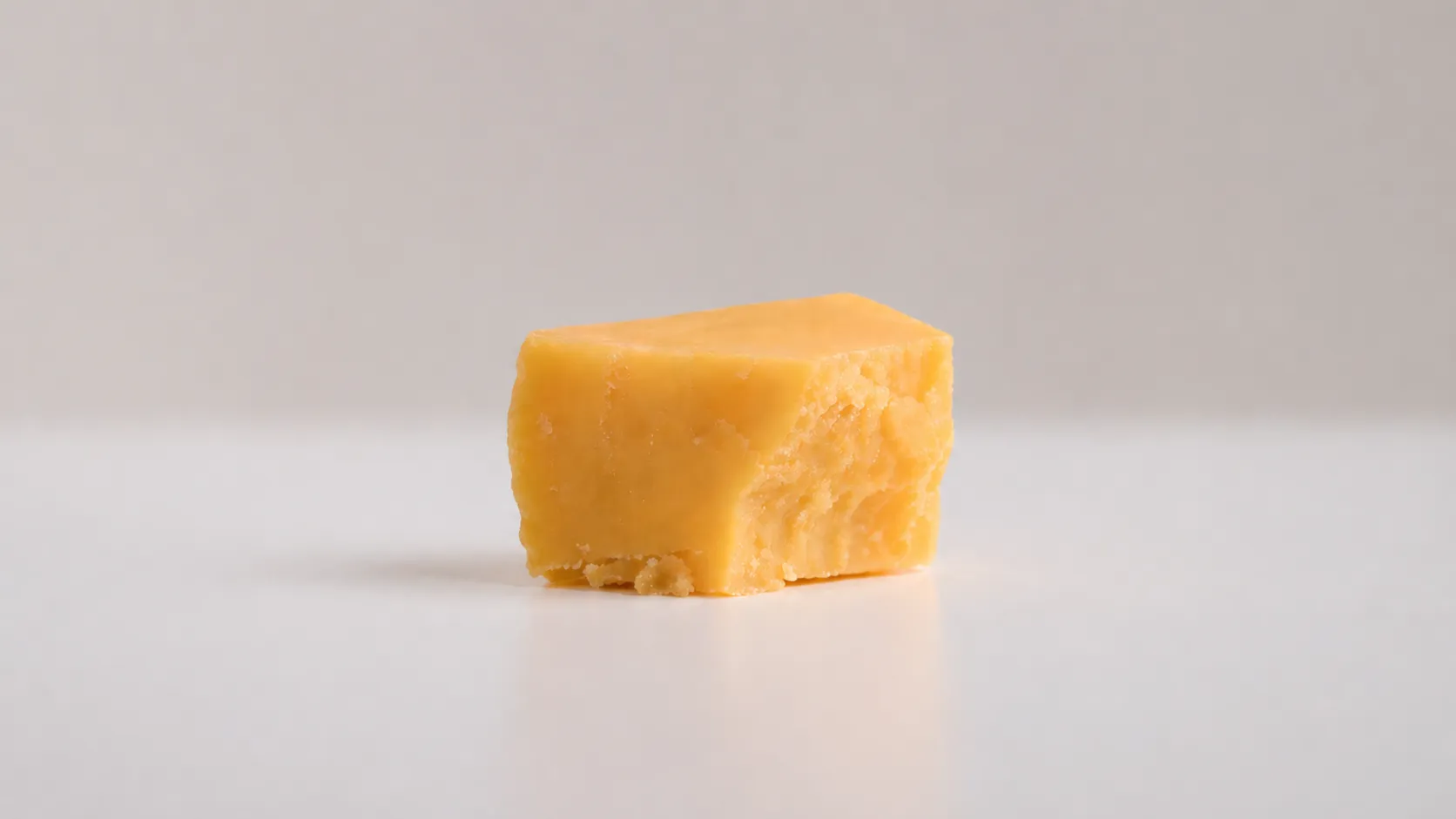
Cheddar is a moderate choking risk - it is dense and firm, so cubes or chunks can lodge in the throat.
Grate it or cut thin strips, never cubes or chunks, and keep melted layers thin to avoid sticky globs. See how to serve for prep tips.
Allergens
Cheddar is made from cow's milk, a common food allergen and one of the most common allergies in babies.[1]
Introducing dairy early and keeping it in the diet helps lower allergy risk. A baby with a known cow's milk allergy can still react to cheese, so ask a pediatrician first and watch for hives, swelling, vomiting, or trouble breathing.[2][3]
Offer it on its own, start with a small amount, and watch for a reaction. Once your baby is comfortable with it, keep it in their regular diet.
If baby refuses
Cheddar's savory, creamy flavor is usually a hit. If refused on its own, melt it over warm pasta or vegetables, or fold it into scrambled egg. Mild cheddar is easier for many babies than a strong one.
Food safety
Cheddar is high in salt, so keep servings small — about ½ to 1 oz, and no more than one or two a day. Babies need very little salt, so avoid adding any in the first year and keep it low through toddlerhood.[4]
Use pasteurized cheese only. Check the label and skip any made from raw (unpasteurized) milk, which can carry listeria.[5]
How to serve
6+ months old
A small sprinkle of grated cheese, or thin strips
Start with a mild, pasteurized cheddar as small tastes alongside a varied diet. Finely grate it over a soft food, or cut it into thin strips baby can pick up.
Skip cubes and chunks - firm cheese in those shapes can be a choking risk. If you melt it, spread it in a thin layer and let it cool, since thick or clumpy melted cheese can turn sticky and hard to manage.
How to cook
No cooking needed. Grate finely, or melt a thin layer into scrambled egg, mashed vegetables, or a smooth sauce. Let melted cheese cool a little before serving.
9+ months old
Grated or thin strips
Keep serving cheddar grated or as thin strips for picking up and chewing practice. This is also a good stage to fold it into omelets or melt it over soft vegetables - kept in a thin layer, so it doesn't turn sticky. Still skip cubes and thick chunks, which stay a choking risk at this age.
How to cook
No cooking needed. Cheddar is excellent grated over warm pasta or vegetables, folded into an omelet, or melted in a thin layer onto soft toast fingers.
12+ months old
Grated, thin slices, or thin strips
Serve cheddar grated, in thin slices, or as thin strips for biting and tearing. You can also melt a thin layer over toast, vegetables, or beans, or stir it into family dishes.
How to cook
No cooking needed. Grate, slice thinly, or melt a thin layer into family dishes. Make sure melted cheese is not too hot and has not hardened into firm clumps.
Sources
- Food Allergies (the 9 major US allergens) - FDA
- When to Introduce Egg, Peanut Butter & Other Common Food Allergens - AAP HealthyChildren
- Milk - FARE
- Foods and Drinks to Avoid or Limit (honey, added sugar, salt) - CDC
- The Dangers of Raw Milk (unpasteurized) - FDA
- When, What, and How to Introduce Solid Foods - CDC
- Cheese, cheddar (FDC 173414) - USDA FoodData Central