 HeySolids
Choking risk
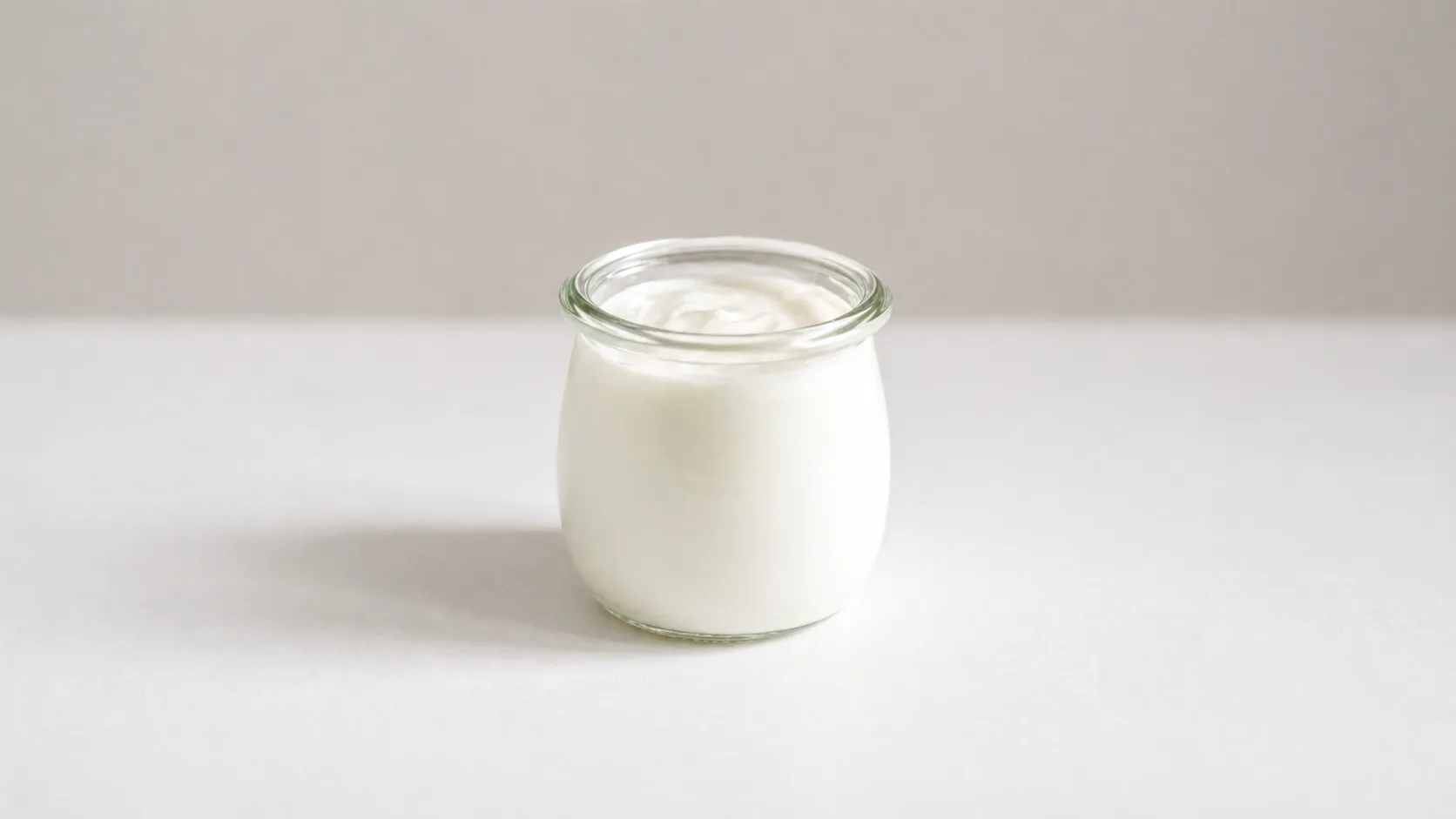
Smooth yogurt is a low choking risk - its creamy texture is one of the easiest first foods to spoon-feed or scoop.
Serve smooth, thick yogurt like Greek or plain whole-milk, and with mix-ins stir in only smooth purees or soft, finely chopped fruit - skip whole nuts, hard dried fruit, or large chunks. See how to serve for age-by-age prep.
Allergens
Yogurt is made from cow's milk, a common food allergen, and cow's milk allergy is one of the most common in babies.[2]
Even so, plain whole-milk yogurt is an easy, usually well-tolerated way to introduce dairy for most babies. A baby with a known cow's milk allergy can still react to it, so check with your pediatrician first. Always use pasteurized yogurt, never any made from raw (unpasteurized) milk.[3][4]
Offer it on its own, start with a small amount, and watch for a reaction. Once your baby is comfortable with it, keep it in their regular diet.
If baby refuses
Plain yogurt can taste tart at first. Stir in a little smooth fruit puree like banana, mango, or strawberry to sweeten it naturally. Thick Greek-style yogurt is often accepted more readily than thin, runny yogurt.
How to serve
6+ months old
Soft, scoopable yogurt
Offer plain, unsweetened, whole-milk pasteurized yogurt. Thick Greek or plain yogurt is ideal now because it clings to a spoon. Pre-load a spoon and pass it to baby, or let them scoop with their hands. Stir in a smooth fruit puree for flavor if you like.
Do not add honey, or yogurt made with honey, until after 12 months, because of the risk of infant botulism.[6]
How to prepare
No cooking needed. Serve it straight from the container - whole-milk, plain, and pasteurized. Stir in mashed or pureed fruit for natural sweetness.
9+ months old
Soft, scoopable yogurt
Keep offering plain, whole-milk yogurt. Many babies start picking up a pre-loaded spoon around now, so hand one over and let them practice; it's fine if they switch between spoon and fingers. Yogurt also works swirled through oatmeal or mashed fruit.[1]
How to prepare
No cooking needed. Serve plain or stirred with smooth fruit puree or soft, finely chopped fruit. Skip whole nuts and hard chunks as toppings.
12+ months old
Soft, scoopable yogurt
Yogurt is now an easy everyday food - as a snack, in smoothies, or as a base for dips. Whole milk can also become a main drink at this age. Dairy is nutritious but easy to overdo, so keep it to about 2 servings a day so it doesn't crowd out iron-rich foods.[5]
How to prepare
No cooking needed. Honey can be added for flavor now that the botulism risk no longer applies - though experts still suggest keeping added sugars to a minimum at this age.
Sources
- When, What, and How to Introduce Solid Foods - CDC
- Food Allergies (the 9 major US allergens) - FDA
- Milk - FARE
- The Dangers of Raw Milk (unpasteurized) - FDA
- Cow's Milk and Milk Alternatives (whole milk as a drink at 12 mo) - CDC
- Botulism Prevention (no honey under 1) - CDC
- Yogurt, plain, whole milk (FDC 171284) - USDA FoodData Central