 HeySolids
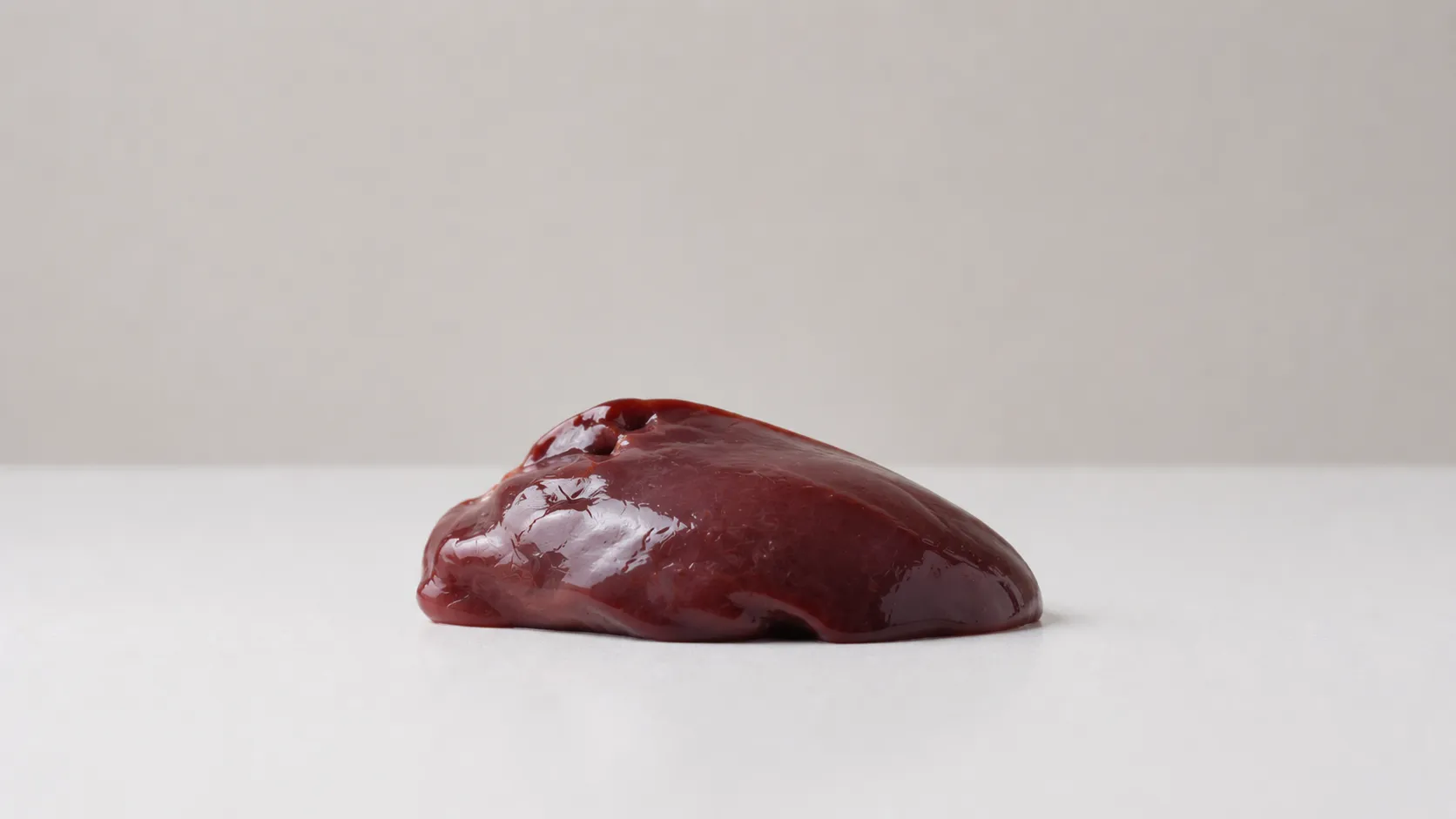
Choking risk
Liver is a low choking risk - cooked right, it's one of the softest meats there is. Cook it until just done, so it stays soft and moist, then mash, puree, or chop it fine.
The thing to avoid is overcooking: dry, grainy liver turns firm and crumbly, which is harder for a baby to manage. See how to serve for age-by-age prep.
Allergens
Chicken liver is not a common food allergen, so a true allergy to it is rare.[2]
Poultry allergy can happen but is unusual and tends to appear later in childhood, not in infancy. Start with a small amount and watch for a reaction.[3]
Food safety
Liver is extremely rich in vitamin A - so rich that it builds up if eaten often. A small serving about once a week gives baby all the benefit; more than that isn't better, it's too much.[6]
Cook liver to 165°F, with no pink remaining, then cool to lukewarm before serving. Babies are more vulnerable to food poisoning than adults. Skip liver pâté - it can carry listeria and runs high in salt - and use freshly cooked liver instead.[5]
How to serve
6+ months old
Smooth puree or mash mixed into soft food
A couple of tablespoons, once a week max
Cook the liver through, then puree or mash it smooth and mix it into mashed potato or mashed vegetables, which softens the strong flavor. A couple of tablespoons is plenty. Offer it on a pre-loaded spoon or let baby scoop with their hands.
Liver stays a once-a-week food, and use freshly cooked liver rather than pâté.
How to cook
Pan-fry or gently simmer in a little unsalted butter or oil until cooked through - 165°F, no pink remaining - taking care not to overcook: past done, liver turns dry and grainy fast. Cool to lukewarm, then mash or blend smooth with a splash of the cooking liquid.
9+ months old
Finely chopped or mashed into a dish
A couple of tablespoons, once a week max
As the pincer grasp develops, finely chopped soft liver works for picking-up practice - it's soft enough that small pieces pose no trouble - or keep mashing it through potato, vegetables, or a mild pasta sauce. Keep it moist. Liver stays a once-a-week food, and use freshly cooked liver rather than pâté.
How to cook
Pan-fry or gently simmer in a little unsalted butter or oil until cooked through - 165°F, no pink remaining - taking care not to overcook: past done, liver turns dry and grainy fast. Cool to lukewarm, then chop fine or mash.
12+ months old
Small amounts cooked into a family dish
A small portion stirred into a dish, once a week max
Stir small amounts of soft cooked liver into family dishes, for example finely chopped through a bolognese or a vegetable stew, where its rich flavor blends in. Keep it moist with a sauce and avoid dry, firm pieces.
Keep liver to no more than once a week because of its high vitamin A, and use fresh liver rather than pate.
How to cook
Pan-fry or simmer until cooked to 165°F with no pink, then chop finely and stir into the dish, taking care not to overcook.
Tips
A milk soak gentles the flavor. Half an hour in milk before cooking draws out some of the metallic edge - an old kitchen trick that makes the mildest liver milder still. If dairy isn't in baby's diet yet, a water soak does part of the same job. Rinse, pat dry, and cook as usual.
Sources
- Choking Hazards (Infant & Toddler Nutrition) - CDC
- Food Allergies (the 9 major US allergens) - FDA
- Update on the bird-egg syndrome and genuine poultry meat allergy - Allergo J Int 2016 (PubMed 27340614)
- Chronic vitamin A intoxication in infants fed chicken liver - Pediatrics 1978 (PubMed 7189278)
- Chicken from Farm to Table (cook poultry and giblets to 165°F) - USDA FSIS
- Chicken, liver, all classes, cooked, pan-fried (FDC 174491) - USDA FoodData Central