 HeySolids
Can babies eat pâté?
Not the chilled kind from the deli counter or the refrigerated aisle, at least until age 5. The CDC lists refrigerated pâté and meat spreads among the foods that can carry listeria, which is far more dangerous for young children than for adults, and the FDA counts children under 5 as high risk.[1]
Most store-bought pâtés are also very salty, often more than a baby should have in a whole day. Pâté sold in a sealed jar or can that’s kept at room temperature is a lower listeria risk, but just as salty.[2]
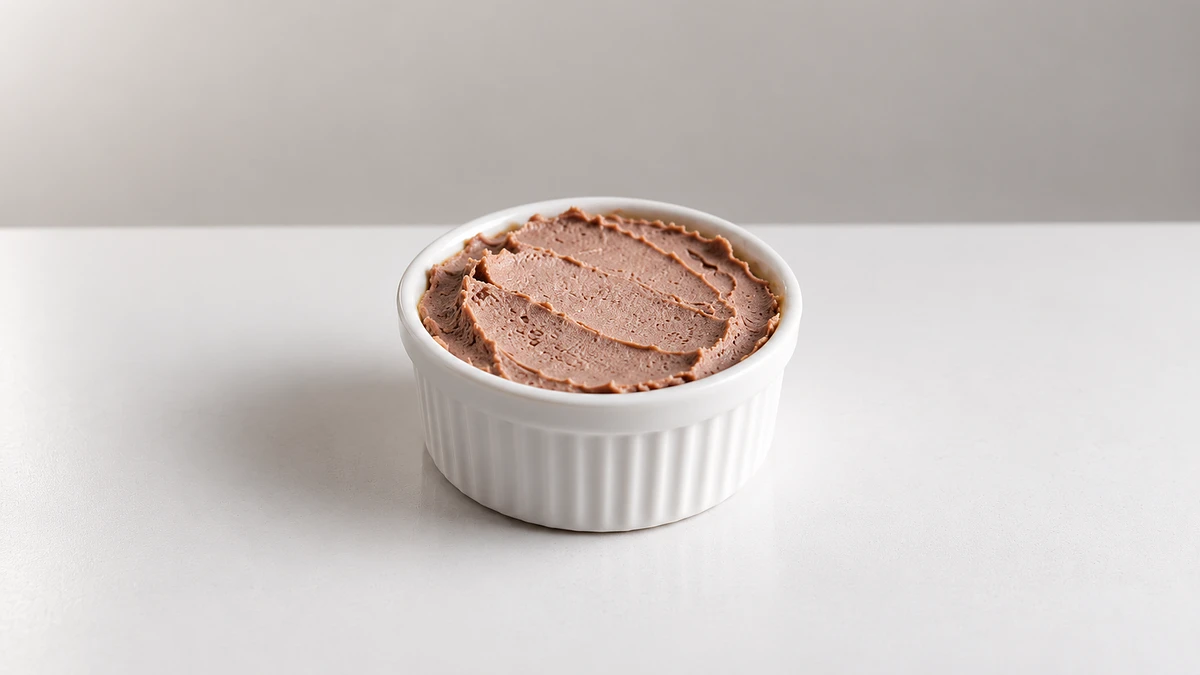
Homemade pâté is a different food. Liver cooked all the way through, blended with a little unsalted butter and no salt, and eaten fresh is simply cooked liver in a spreadable form, fine from 6 months. Keep it to once a week, the same as liver itself: liver pâté is one of the richest sources of vitamin A, and a baby’s upper limit is low.[3][4]
Homemade mushroom, lentil and bean pâtés avoid both problems. Treat them like hummus: fine from 6 months with no added salt. If you buy them, choose a no-salt-added version and check the label for nuts and sesame.
Choking risk
Pâté is a low choking risk - it's a smooth spread with nothing to bite off or lodge.
Spread it thin on soft bread or a toast finger, or stir it through mashed potato; a thick dollop of any sticky spread is harder for a baby to clear than a thin layer. See how to serve for each age.
Allergens
Pâté is not a common food allergen in itself, but it is a mix, and most liver pâtés are bound with butter or cream, so they count as a milk food; some add egg.[5][6]
Fish and salmon pâtés are fish, and vegetarian pâtés often lean on cashews or walnuts. If baby hasn't had an ingredient yet, the pâté is that allergen's introduction - offer a small amount earlier in the day, and keep the ingredient in the diet once it's in.
As with any new food, start with a small amount and watch for a reaction.
Food safety
Listeria comes first. Refrigerated pâté stays off the menu until at least age 5. Pâté sealed in a jar or can and kept at room temperature is a lower risk, but just as salty.[1]
Salt is next. A baby’s daily sodium guide at 7 to 12 months is about 370 mg, and store-bought pâtés are salted for adult tastes, so homemade and unsalted is the version that works.[2]
Then vitamin A. Liver is so rich in it that one serving a week is the usual limit, and babies have been harmed in the past by eating chicken liver every day. A teaspoon or two of liver pâté once a week is plenty. Cook poultry liver to 165°F and beef or pork liver to 160°F, let it cool, and eat homemade pâté the same day or freeze it in small portions.[3][4][8]
How to serve
6+ months old
Homemade, unsalted, spread thin
A teaspoon or two on a toast finger
Make it yourself: cook chicken liver to 165°F, then blend it with a small pat of unsalted butter and a splash of water, breast milk or formula until smooth. Spread it thinly on a soft toast finger or stir it into mash. Offer it once a week at most. Liver is so rich in vitamin A that a small portion covers well over a baby’s daily needs, and too much over time can build up in the body and cause harm. Vegetable pâtés, like mushroom, lentil or white bean, can be offered more often.
How to prepare
Sauté the liver until no pink remains, let it cool slightly, and blend it smooth with unsalted butter. Eat it the same day, or freeze it in ice-cube portions. No store-bought pâté at this age, and no salt.
12+ months old
Still homemade, with an occasional taste of jarred pâté
A thin layer on toast or a cracker
Homemade pâté is still the version to use. Vegetable pâtés can be everyday food, spread on toast or crackers or stirred into pasta, and liver pâté stays once a week. From 12 months, a thin layer of pâté from a sealed jar or can kept at room temperature is fine now and then, as long as you count its salt in the day’s total. Refrigerated deli pâté is still a listeria risk for toddlers, so keep it off their plate.
How to prepare
Make it the same way as before: cooked liver blended smooth with unsalted butter. Liver pâté once a week; vegetable pâtés any time.
Sources
- Preventing Listeria Infection (refrigerated pâté and meat spreads on the avoid list) - CDC
- Dietary Reference Intakes for Sodium and Potassium (AI 370 mg at 7-12 months, 800 mg at 1-3 years) - National Academies 2019
- Vitamin A and Carotenoids Fact Sheet for Health Professionals (UL 600 mcg RAE from birth to 3 years) - NIH ODS
- Chronic vitamin A intoxication in infants fed chicken liver - Pediatrics 1978 (PubMed 7189278)
- Food Allergies (the 9 major US allergens) - FDA
- Milk - FARE
- Vitamin A (avoid liver more than once a week) - NHS
- Safe Minimum Internal Temperature Chart - USDA FSIS