 HeySolids
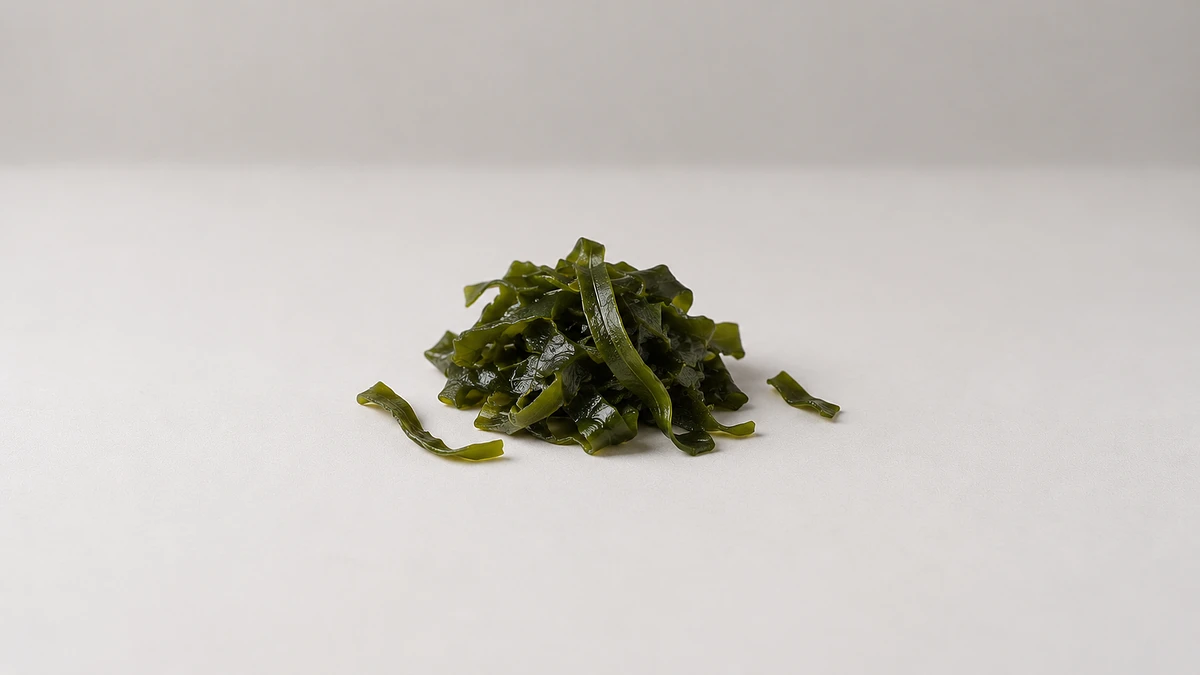
Can babies have seaweed?
It depends on the type. Nori, the thin sheet used for sushi and snacks, is low in iodine and fine in small amounts from 6 months. Brown seaweeds like kelp, kombu, wakame and arame are different. A single gram of dried kelp can have more than a thousand micrograms of iodine. There’s no upper limit set for babies under 1, and the limit for children aged 1 to 3 is 200 µg a day. So brown seaweeds wait until 12 months, and then only in small amounts, about once a week.[1][2][3]
The same goes for foods made from them. Keep kombu dashi as an occasional broth rather than an everyday base, skip kelp powder and kelp supplements, and don’t make kelp noodles a regular food. Blanching brown seaweed for five minutes and throwing away the water removes much of the iodine, so from 12 months a small bowl of miso or seaweed soup once a week is fine.[3][4]
Hijiki, the black shredded seaweed served in Japanese side dishes, is the one to avoid at any age. It has far more inorganic arsenic than other seaweeds, and food regulators in Canada, the UK and Australia advise against eating it.[5][6]
Choking risk
Brown seaweed is a moderate choking risk - dried strips of kelp or wakame are tough until fully rehydrated, and cooked wakame is slippery and stringy in a way that can be hard for a new chewer to manage.
Soak and simmer until soft, then chop fine for a toddler's bowl. See how to serve for age-by-age prep.
Allergens
Seaweed is not a common food allergen, so a true allergy to it is rare.[7]
Two label notes: dashi and seaweed salad often contain fish (bonito flakes), sesame or soy, and seaweed is harvested and dried alongside shellfish, so "may contain" warnings are common on packs. If your baby has a fish or shellfish allergy, choose plain dried seaweed from a brand that labels clearly.
Start with a small amount and watch for a reaction.
If baby refuses
Wakame's slippery texture is usually the issue rather than the taste. Chop it very fine into a soup or stir a little through rice so it's a flavor rather than a strand, and come back to it in a few weeks. Toasted nori is the easier way to build a taste for seaweed in the meantime.
Food safety
Iodine is the main limit. A small amount keeps the thyroid working, but too much over time can push it the other way, and babies are the most sensitive. Breastfed newborns have developed underactive thyroids when their mothers ate seaweed soup every day.[1] The iodine in seaweed varies hugely by type and batch, from a few micrograms to nearly 3,000 per gram. That’s why Australia’s food regulator advises children to have brown seaweed no more than once a week, and why families should never use kelp as an iodine supplement.[2][3] In the US, rules for special dietary foods limit iodine from kelp to 45 µg a day for infants, a fraction of what kelp powder contains.[4]
Hijiki is the arsenic concern. Canadian testing found far more inorganic arsenic in it than in other seaweeds, Australia tests every imported batch, and the advice is simply not to eat it. Nori, kombu, wakame and arame aren’t covered by that advice.[5][6]
Salt is the last thing to watch. Ready-made seaweed salad is dressed with plenty of soy sauce and sugar, and dashi powders and seasoning sachets are mostly salt and flavor enhancers. Babies shouldn’t have added salt in the first year, so make your child’s portion from plain dried seaweed and season the adults’ bowls at the table.[8]
How to serve
Up to 12 months old
Nori only - no kelp, kombu, wakame, dashi or kelp powder yet
In the first year, keep seaweed to a little crumbled nori. Skip the brown seaweeds and anything made from kelp, including kombu dashi and kelp powder: no upper limit for iodine has been set for babies under 1, and a single serving of brown seaweed can carry many times a toddler's daily ceiling.
For a seaweed-soup household
If miyeok-guk or miso soup is on the table most days, make the baby's bowl from the broth before the seaweed goes in, or ladle out a portion without it. The rest of the family's bowl isn't changed.
12+ months old
A small serving of brown seaweed about once a week, blanched and chopped
About a tablespoon of cooked, chopped seaweed
From 12 months, a small serving of kelp, kombu, wakame or arame about once a week fits inside a toddler's iodine ceiling, especially if the seaweed is blanched first. Soak dried seaweed, simmer it for five minutes, discard the water, then cook it in the dish and chop it fine. Kombu dashi can be an occasional base; kelp powder, kelp supplements and hijiki stay off the menu.[2][3][5]
How to prepare
Rehydrate wakame in water for 10 minutes, blanch 5 minutes, drain and chop to pea-sized pieces for soup or rice. For dashi, steep a small piece of kombu in hot water for 15 minutes and remove it - don't boil the kombu, which draws out more iodine and a bitter note. Rinse ready-made seaweed salad or skip it; it's usually high in salt and sugar.
Tips
- Blanch brown seaweed before it goes in the pot. Five minutes in simmering water, drained and discarded, removes much of the iodine from kombu and wakame - a useful habit if seaweed soup is a regular in your house.
- Make dashi a sometimes broth, not the daily base. Kombu gives up its iodine to the water, so a cup of kombu dashi can carry more than a toddler's daily limit. Use it occasionally, or make the baby's bowl with an unsalted vegetable or chicken stock.
- Nori is the everyday seaweed. For snacks, rice balls and crumbled-over-food, use nori (its own page) and save the brown seaweeds for the once-a-week soup or salad.
Sources
- Iodine Fact Sheet for Health Professionals (UL 200 µg/day at 1-3 years; seaweed content varies widely) - NIH Office of Dietary Supplements
- Seaweed and iodine: brown seaweed no more than one serve a week for children (FSANZ advice) - Food Safety Information Council
- Iodine: Food Fact Sheet (brown seaweed or kelp no more than once a week) - British Dietetic Association
- Kelp as a source of iodine: 45 µg/day limit in foods for infants - 21 CFR 172.365
- Inorganic Arsenic and Hijiki Seaweed Consumption - Canadian Food Inspection Agency / Health Canada
- Arsenic in food (hijiki seaweed and inorganic arsenic) - Food Standards Australia New Zealand
- Food Allergies (the 9 major US allergens) - FDA
- Foods and Drinks to Avoid or Limit (honey, added sugar, salt) - CDC
- Choking Hazards (Infant & Toddler Nutrition) - CDC