 HeySolids
Choking risk
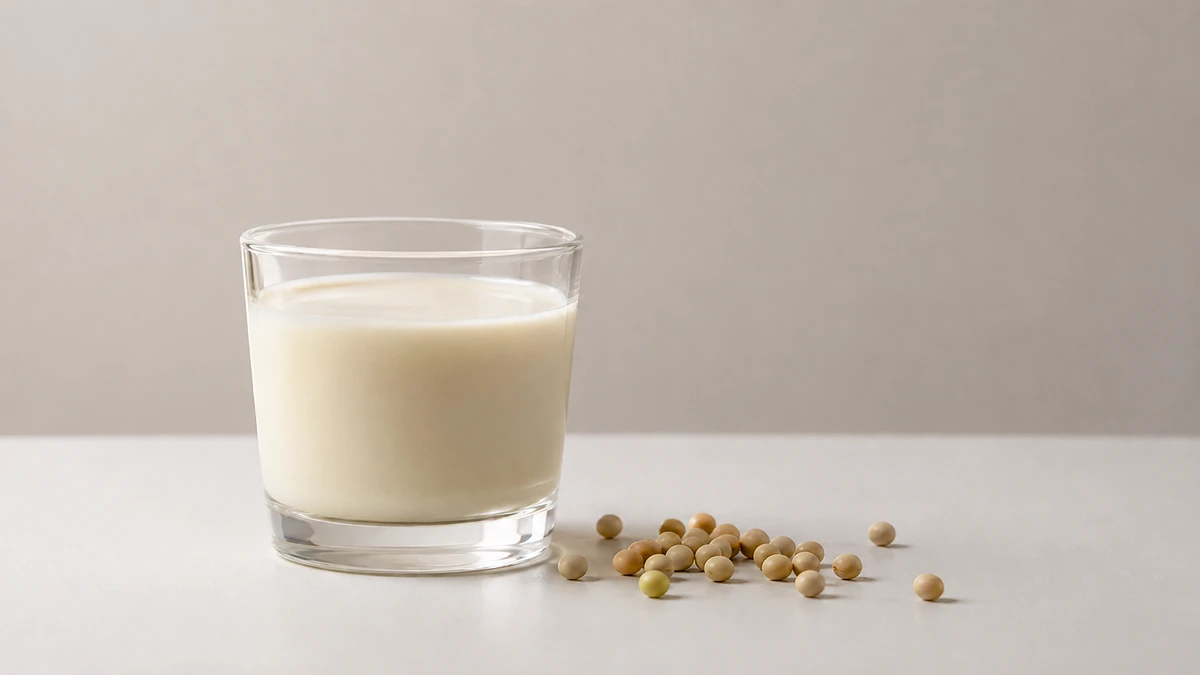
Soy milk is a thin liquid, so it is a low choking risk.
From 6 months, soy milk is only for cooking and small tastes. Once it becomes a drink at 12 months, offer it in an open or straw cup rather than a bottle. See how to serve for age-by-age prep.
Allergens
Soy is a common food allergen, though most children with a soy allergy outgrow it.[1][2]
There's no reason to delay it - offering soy early and keeping it in the diet may help lower the risk of an allergy. A little soy milk stirred into oatmeal or a puree, or soft foods like tofu and soy yogurt, are all easy ways in from around 6 months.[3]
Offer it on its own, start with a small amount, and watch for a reaction. Once your baby is comfortable with it, keep soy in their regular diet.
Food safety
Before 12 months, breast milk or formula stays the main drink - soy milk is for cooking and small tastes until then.[4]
From 12 months, unsweetened fortified soy milk is the one plant milk that can fully stand in for cow's milk - it's the alternative US health groups recommend when dairy is off the menu. Flavored and sweetened versions carry added sugar, which isn't recommended under 2.[5][6]
How to serve
6+ months old
Soy milk in food and cooking
A splash in oatmeal or a puree
From 6 months, use plain unsweetened soy milk as an ingredient - stirred into oatmeal, a mash, or a sauce, or in baking. It's not a substitute for breast milk or formula yet, but small amounts in food are a gentle way to get soy into the rotation early.
Because soy is a common allergen, treat the first taste as an introduction: a small amount, earlier in the day when you can watch baby, and watch for a reaction.
How to prepare
Shake the carton well, then stir a splash into warm dishes or use it to loosen a puree, the way you'd use any milk in cooking. Choose unsweetened - many cartons labeled "original" carry added sugar.
12+ months old
Unsweetened fortified soy milk as a drink
Up to about 16 oz (2 cups) a day
From 12 months, unsweetened soy milk fortified with calcium and vitamin D can be a main drink - it's the plant milk with protein close to cow's milk, and the one US health groups accept as a full substitute when dairy is out.
Treat it like milk: around 16 oz (2 cups) a day, in an open or straw cup, with meals rather than sipped all day. More than that fills a small stomach and crowds out iron-rich food.
How to prepare
Shake well so the fortified calcium doesn't stay settled at the bottom, and serve cold or gently warmed in a cup. Check the label for "unsweetened" and for calcium and vitamin D fortification.
Tips
- Read the carton once, buy it forever. The words to look for are "unsweetened" and "fortified with calcium and vitamin D." Plain and even "original" versions often carry added sugar, and an unfortified soy milk loses most of what makes it a good milk stand-in.
- Shake before pouring. The added calcium settles at the bottom of the carton, so an unshaken cup can miss much of it. A good shake each time puts the fortification back in the pour.
Sources
- Food Allergies (the 9 major US allergens) - FDA
- Soy - FARE
- When to Introduce Egg, Peanut Butter & Other Common Food Allergens - AAP HealthyChildren
- Cow's Milk and Milk Alternatives (fortified soy as the accepted substitute) - CDC
- Healthy Beverage Consumption in Early Childhood: Consensus Recommendations (AAP, AHA, AND, ADA) - Healthy Eating Research 2019
- Foods and Drinks to Avoid or Limit (added sugar) - CDC
- Soy milk, unsweetened, plain, shelf stable - USDA FoodData Central