 HeySolids
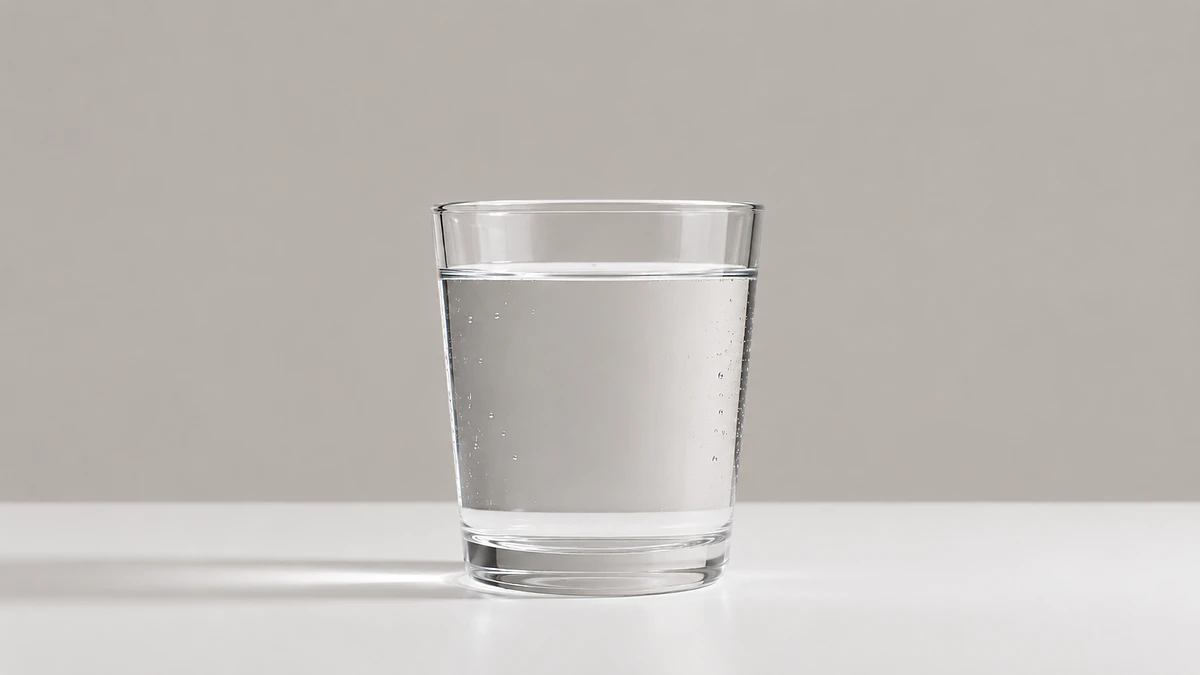
Can babies have water?
Not before 6 months. Breast milk or formula covers everything a younger baby needs, and extra water fills a small stomach without feeding it - in large amounts it can also dilute the sodium in the blood, which is dangerous.
From 6 months, small amounts with meals are fine and useful for learning to drink from an open or straw cup. CDC puts the range at 4 to 6 oz a day between 6 and 12 months, and breast milk or formula stays the main drink throughout that year.
After 12 months, water becomes the everyday drink alongside whole milk.
Can babies have sparkling water?
Not before 12 months, and there's little reason for it after. Plain sparkling water is just water and carbon dioxide, so it isn't harmful in the way a sweetened drink is - but the bubbles are unpleasant for most babies, they take up room in a small stomach, and a baby learning to drink from a cup does better with plain water.
Carbonation also makes it mildly acidic, and acidic drinks sipped over a long stretch soften tooth enamel. The bigger issue is what gets sold alongside it.
Flavored sparkling waters often contain added sugar, sweeteners, or citric acid, and tonic water contains sugar and quinine. Check the label rather than the front of the can.
Choking risk
Water is a thin liquid, so it is a low choking risk.
From 6 months, offer small sips from an open or straw cup with meals - expect coughs and dribbles while cup skills are new. See how to serve for age-by-age amounts.
Allergens
Water is allergen-free - it contains no food proteins, so it cannot cause a food allergy.
If baby refuses
Keep a cup of water on the tray at every meal and let baby explore it without pressure - drinking from a cup is a skill that takes weeks of practice. Let them see you drink water yourself, and try a straw cup if the open cup frustrates them, or the other way around. Don't sweeten it or switch to juice; plain is the taste worth building.
Food safety
No water before 6 months. Breast milk or formula covers everything a younger baby needs, and extra water fills a small stomach without feeding it. In large amounts it can also dilute the sodium in the blood, a dangerous condition called water intoxication. Never water down formula to make it stretch further - this carries the same risk.[2]
From 6 to 12 months, small amounts of water with meals help your baby learn to drink from a cup. CDC puts the range at 4 to 6 oz a day. Breast milk or formula stays the main drink throughout that year.
How to serve
6+ months old
Sips from an open or straw cup
Up to 4 to 6 oz a day, with meals
Once solids start, offer a few sips of water in an open or straw cup with meals. Keep it to about 4-6 oz across the whole day - at this age water is for practice and a taste of the habit, while breast milk or formula still covers hydration and nutrition.
A small cup baby can get both hands around works best. Expect spills, sputters, and a soaked bib - that's the learning.
12+ months old
A main drink, alongside milk
About 1-4 cups (8-32 oz) a day
From 12 months, water and plain whole milk are the only two drinks a toddler needs. Offer water freely with meals and snacks - roughly 1-4 cups a day, and more in hot weather or when they're sick.[1]
Keep a cup within reach through the day so thirst has an easy answer, and stick with an open or straw cup rather than a bottle.
Skip flavored and "enhanced" waters, which are usually sweetened. Plain is the habit that lasts.