 HeySolids
Choking risk
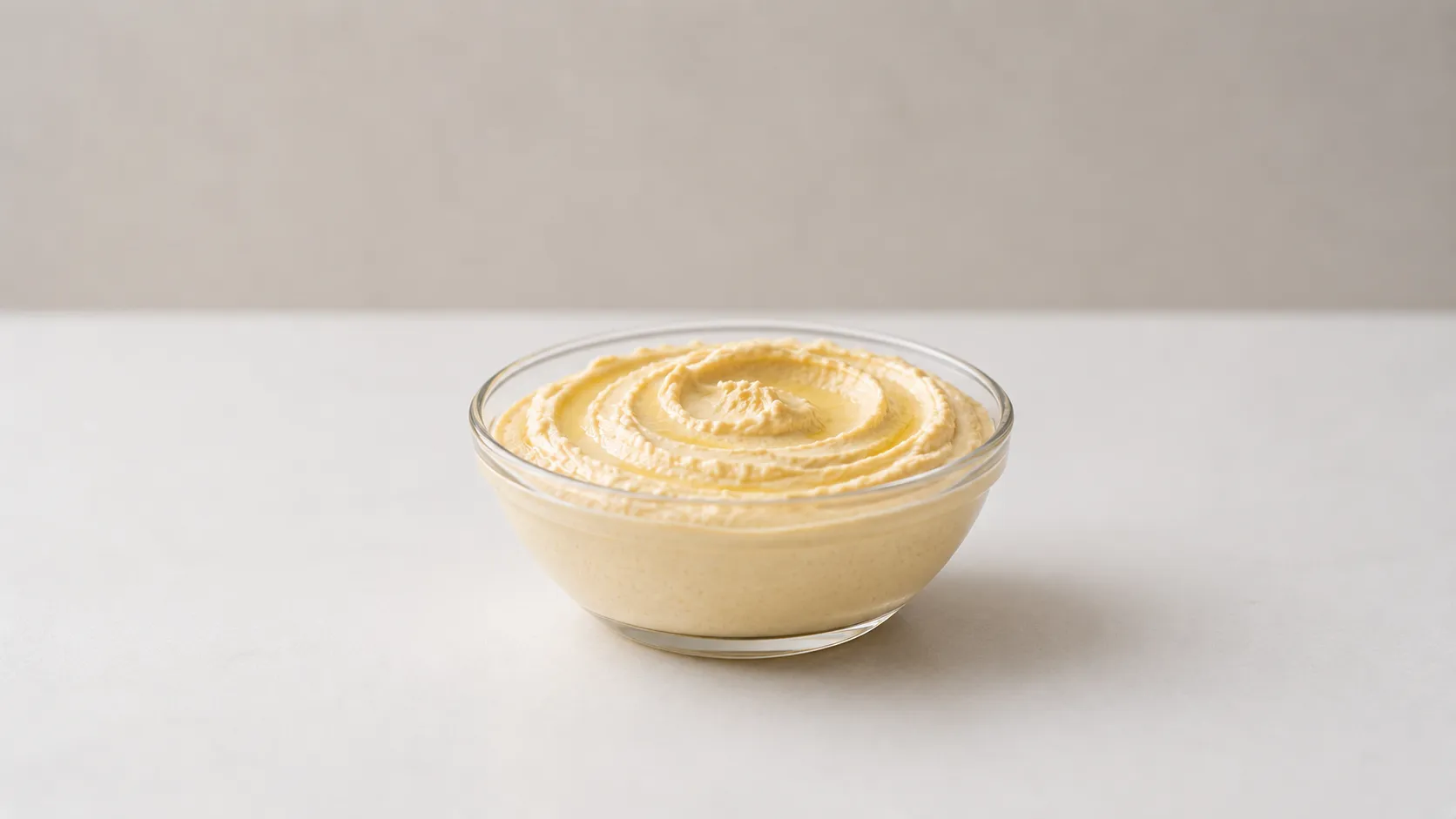
Smooth hummus is a low choking risk - soft and scoopable, so the risk is whatever you dip with.
Loosen thick hummus, keep dippers soft and age-appropriate, and choose a no-salt-added version since store-bought is often salty. See how to serve for prep at each age.
Allergens
Hummus is a common allergen because its tahini is sesame, often a baby's first taste of it.[1]
Introduce sesame around 6 months and keep it in the diet to lower allergy risk. Offer it alone first, watch for hives, swelling, or vomiting, and call 911 for trouble breathing.[2]
Offer it on its own, start with a small amount, and watch for a reaction. Once your baby is comfortable with it, keep it in their regular diet.
If baby refuses
Hummus is rarely refused, but strong garlic or lemon can put some babies off. Try a milder homemade batch, or stir a spoonful into a veg puree baby likes.
How to serve
6+ months old
Thin smear or smooth loosened puree
A thin layer, spoon-fed or pre-loaded
Loosen hummus with a little water or olive oil until soft and smooth, then offer it from a pre-loaded spoon or smeared thinly onto a soft cooked vegetable strip baby can hold. It also mixes into vegetable purees and grain dishes.
Hummus contains sesame from the tahini - a common allergen - so the first few times, start with a small amount on its own on a day you can watch baby, and check the allergens section before you start.
How to cook homemade hummus
Blend cooked chickpeas with tahini, olive oil, and a squeeze of lemon until completely smooth, adding a little of the cooking liquid or water until it's spoonable. Leave the salt out of baby's portion.
9+ months old
Dip or spread
Serve hummus as a dip with soft cooked vegetable sticks, or spread it on toast fingers and soft flatbread strips. Dipping is great pincer-grasp and self-feeding practice, so expect mess and let baby lead. Always keep the dippers soft and age-appropriate.
How to cook
Serve as a dip with soft cooked carrot, zucchini, or pepper sticks, or spread on toast fingers. A slightly thicker texture is fine now that baby is more confident.
12+ months old
Dip or spread
1 to 2 tablespoons as a dip or spread
Offer hummus as part of family meals: a dip for soft vegetables and bread, a spread in sandwiches and wraps, or stirred through pasta and grain bowls for an easy protein and iron boost. Keep choosing lower-salt or homemade hummus where you can.
How to cook
Serve as a dip, sandwich spread, or stir through warm pasta or rice. No cooking is needed beyond blending or warming the dish it goes into.
Sources
- Sesame - FARE
- When to Introduce Egg, Peanut Butter & Other Common Food Allergens - AAP HealthyChildren
- Cross-reactivity between chickpea and other legumes - AAAAI Ask the Expert
- Foods and Drinks to Avoid or Limit (honey, added sugar, salt) - CDC
- When, What, and How to Introduce Solid Foods - CDC
- Hummus, commercial (FDC 174289) - USDA FoodData Central