 HeySolids
Choking risk
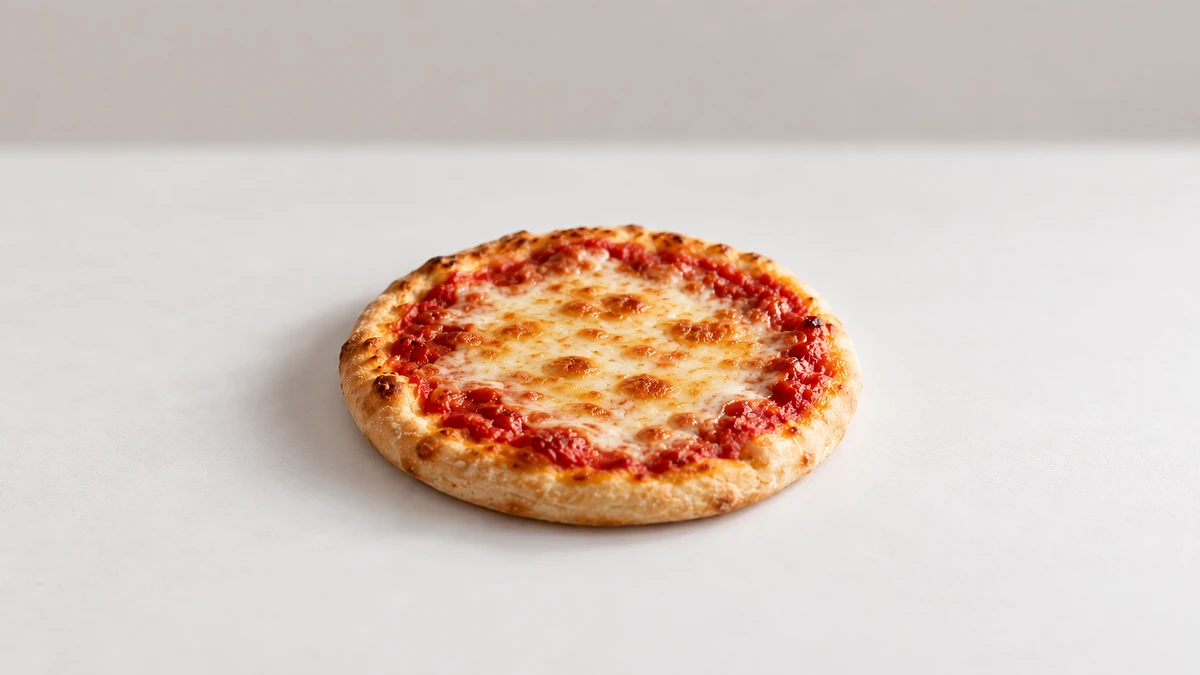
Pizza is a moderate choking risk - chewy crust can wad up in the mouth like fresh bread, melted cheese pulls into strands, and round toppings like pepperoni and olives are classic choking shapes.
Let the slice cool until the cheese sets, trim the thick crust edge, and cut the rest into thin strips with any toppings chopped small. See how to serve for age-by-age prep.
Allergens
Pizza bundles two common allergens - wheat in the crust and milk in the cheese.[1]
Introduce bread and cheese on their own first, so a reaction points to a single food. Dough can also contain egg or soy, and some sauces anchovy, so read the label for a known allergy.[2][3]
Food safety
The salt is the main thing to watch. A slice of cheese pizza has around 600 mg of sodium, which is about half of the 1,200 mg a toddler aged 1 to 3 should have in a whole day.[8][7]
So pizza works best as an occasional treat. Stick to plain cheese or veggie toppings, and leave off pepperoni and sausage. They add even more salt, and they’re processed meats. [6]
How to serve
Up to 12 months old
Skip takeout and frozen pizza - make a mini one instead
Strips about the width of an adult finger
Skip frozen pizza in the first year - the salt in one slice is far more than a baby needs in a day.
What to offer instead
From around 6 months, a homemade mini pizza works: a thin pita or flatbread, a spoonful of no-salt-added tomato sauce, a light sprinkle of grated mozzarella, and soft cooked vegetables, baked until the cheese just melts. Cool it, then cut it into finger-width strips. Introduce wheat and dairy separately first.
12+ months old
Thin strips, cheese set, crust edge trimmed
Strips about the width of an adult finger
From 12 months, regular pizza can appear in occasional meals. Let the slice cool until the cheese stops stretching, trim the thick crust edge, and cut the rest into thin strips. Chop any toppings small - whole olives and pepperoni coins are classic choking shapes, and large chunks of cheese make the list too.
How to prepare
Choose plain cheese or vegetable pizza over pepperoni and sausage, and blot the top with a paper towel to lift off some of the grease. Serve a strip or two alongside vegetables rather than a whole slice.
2+ years old
Small wedges, or a slice to bite from
A slice cut into small wedges
Toddlers can hold a small wedge and bite pieces off now. Keep the cheese cooled and set, keep round toppings halved or chopped, and keep pizza an occasional meal - the salt in one slice is still about half of a toddler's daily limit.
How to prepare
Homemade is the easy way to make pizza a regular thing: pizza dough or a flatbread, no-salt-added sauce, a modest layer of mozzarella, and whatever vegetables are in the fridge. Let your toddler put the toppings on - kids eat what they helped make.
Tips
- Let it cool and set. Melted cheese slides off a hot slice in one stretchy sheet. Give the slice a few minutes so the cheese firms up and clings to the crust, then cut - it also saves a burnt mouth.
- Build your own on a pita. A whole-wheat pita or English muffin half, no-salt-added sauce, a sprinkle of mozzarella, and soft vegetables on top. Ten minutes in the oven, and you control the salt.
Sources
- Food Allergies (the 9 major US allergens) - FDA
- Wheat - FARE
- Milk - FARE
- When to Introduce Egg, Peanut Butter & Other Common Food Allergens - AAP HealthyChildren
- Choking Hazards (Infant & Toddler Nutrition) - CDC
- Foods and Drinks to Avoid or Limit (honey, added sugar, salt) - CDC
- Dietary Guidelines for Americans 2020-2025 (birth-24 months: no added sugar/salt under 2) - USDA/HHS
- Fast Food, Pizza Chain, 14" pizza, cheese topping, regular crust (FDC 173292) - USDA FoodData Central