 HeySolids
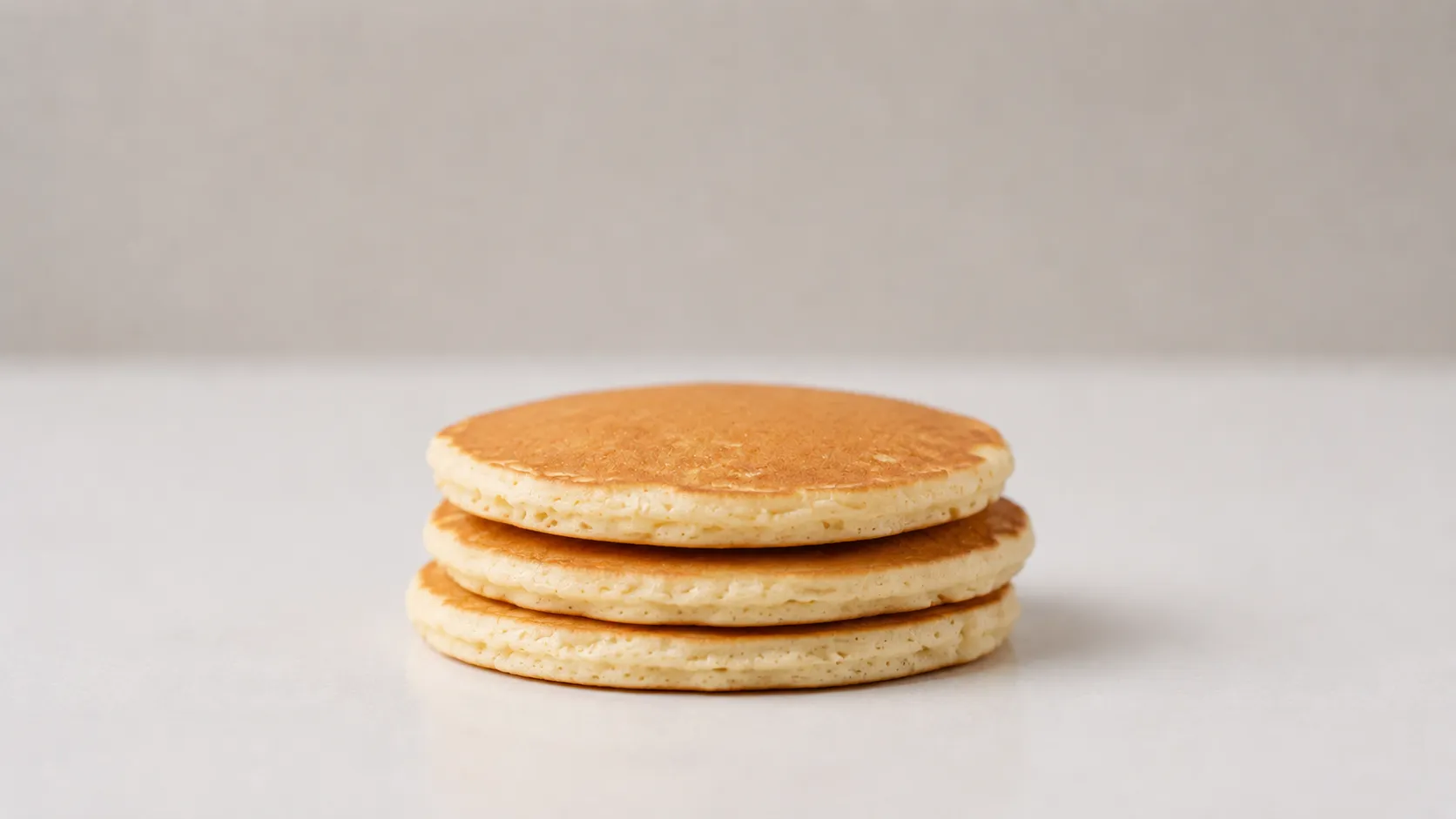
Choking risk
A soft, well-cooked pancake is a low choking risk - thin and easy for babies to gum.
Cook pancakes through with no doughy center and serve in finger-width strips, since a thick, gummy, or undercooked pancake can clump in the mouth.
Keep them free of added sugar and salt, with no honey or syrup before 12 months. See how to serve for age-by-age prep.
Allergens
Pancakes are made from common allergens - usually wheat, egg, and milk in one bite.[2]
Because a pancake bundles these together, introduce wheat, egg, and dairy one at a time first, so a reaction points to a single food. Start with a small amount, and watch for a reaction.
Once each is tolerated, keep them in the diet regularly - steady exposure helps prevent an allergy.
For a known allergy, swap in oat or another wheat-free flour, or a plant-based milk.[3]
If baby refuses
Pancakes are rarely turned down. If the texture puts baby off, make them thinner and moister, or top with mashed fruit or plain yogurt for extra moisture and a familiar flavor.
How to serve
6+ months old
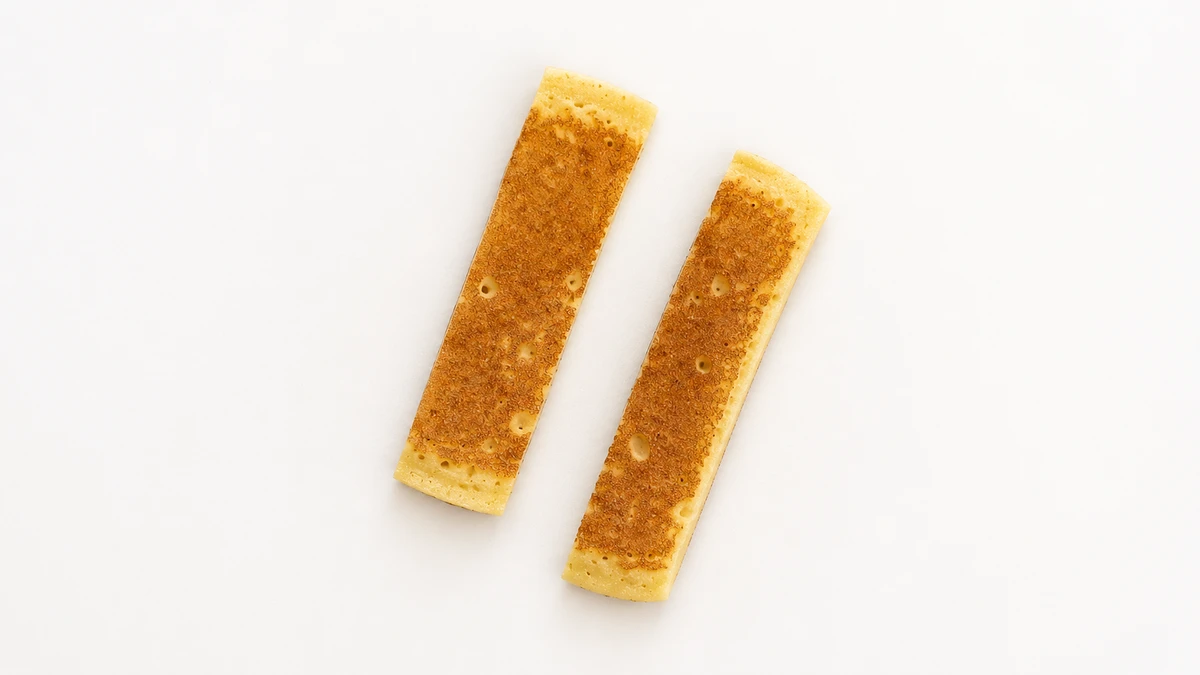
Long wide strips
Strips about the width of an adult finger
Cook thin pancakes and slice them into long strips about the width of an adult finger, easy for baby to grip in the fist and chew. Keep them soft and moist. Introduce wheat, egg, and milk separately first, before offering a pancake that combines them.
Leave added sugar and salt out of the batter, and never add honey before 12 months because of the risk of infant botulism. Sweeten with mashed banana or grated apple instead.[1]
How to cook
Whisk flour, egg, and milk into a thin batter (mashed banana adds sweetness and moisture). Cook in a lightly oiled pan over medium heat until set and cooked all the way through with no wet center, then cool and slice into strips. Whole milk is fine in cooking from 6 months, just not as a main drink until 12 months.
9+ months old
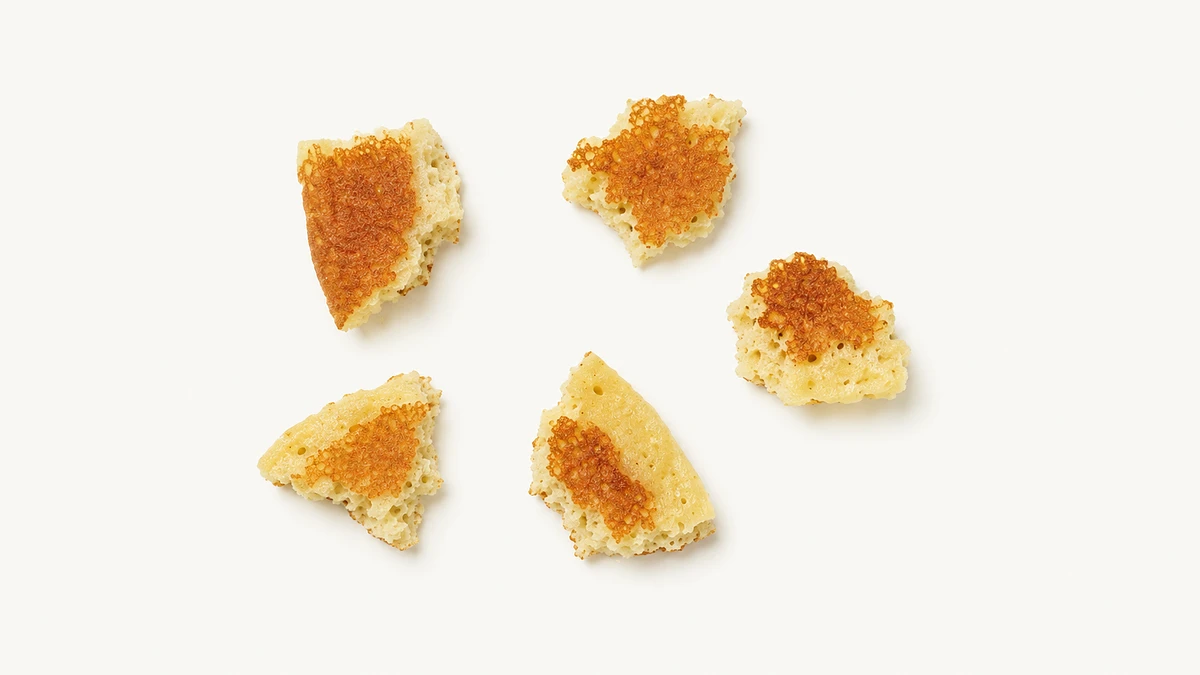
Bite-sized pieces
Pieces about 1/2 inch
As the pincer grasp develops, tear pancakes into small, bite-sized pieces for baby to pick up. Strips still work well for biting and tearing practice, so follow baby's lead on size.
How to cook
Cook as before, keeping them thin and cooked through, then tear into pieces. Fold soft fruit, finely grated vegetables, or finely ground seeds into the batter for variety. Keep added sugar and salt out.
12+ months old
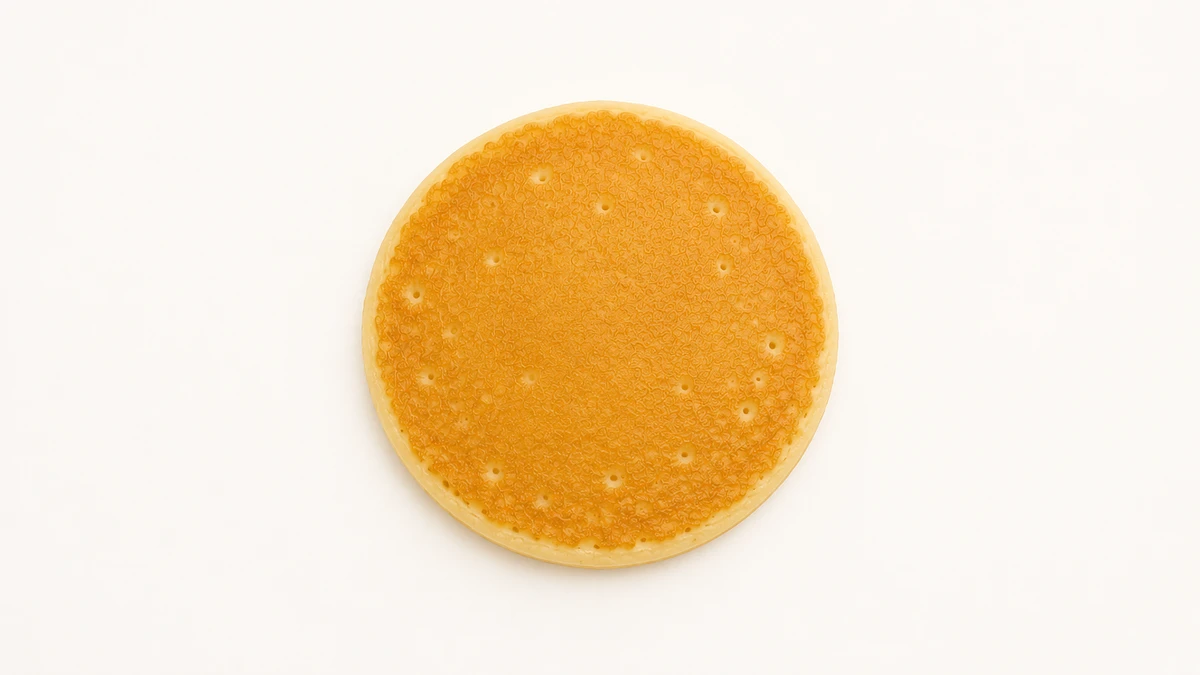
Wedges or small whole pancakes
Quartered wedges, or mini pancakes about 3 inches across
Serve pancake wedges or small whole pancakes and let your toddler take their own bites. Pancakes carry new flavors well, so try savory versions with spinach, corn, or grated cheese.
How to cook
Cook mini pancakes or cut larger ones into wedges. Top with soft fruit and plain yogurt, or go savory. Honey can be used for flavor now that the botulism risk no longer applies, but keep added sugar and salt low.
Tips
Sources
- Foods and Drinks to Avoid or Limit (honey, added sugar, salt) - CDC
- Food Allergies (the 9 major US allergens) - FDA
- When to Introduce Egg, Peanut Butter & Other Common Food Allergens - AAP HealthyChildren
- Wheat - FARE
- When, What, and How to Introduce Solid Foods - CDC
- Pancakes, plain, prepared from recipe (FDC 175009) - USDA FoodData Central