 HeySolids
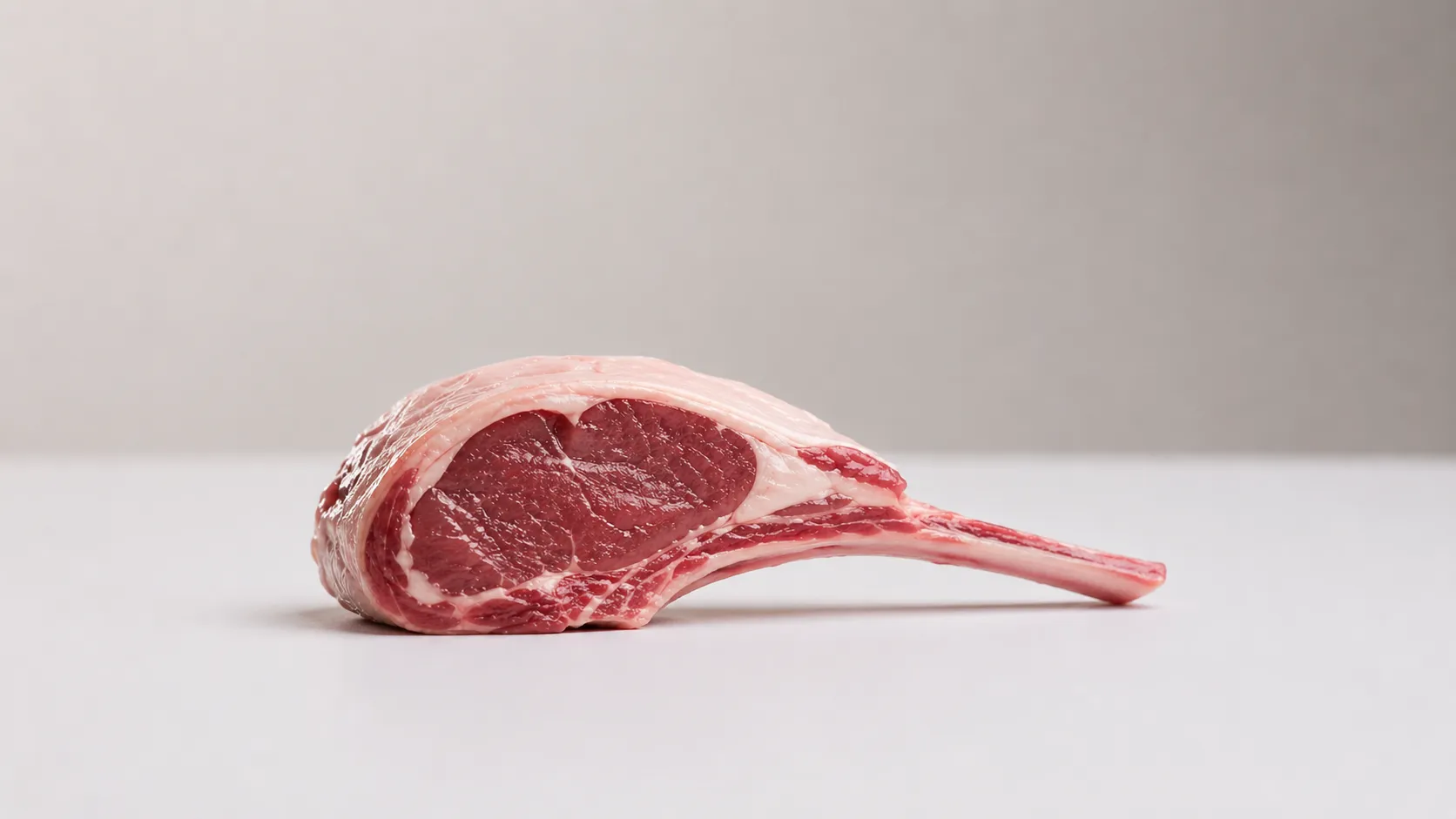
Choking risk
Firm or chewy lamb chunks are a moderate choking risk.
Serve it finely ground or shredded and kept moist with sauce, gravy, or oil, not as firm cubes or chops, with bones removed. See how to serve for age-by-age prep.
Allergens
Lamb is not a common food allergen, so a true allergy is rare.[2]
Start with a small amount and watch for a reaction.
If baby refuses
Dryness and lamb's strong flavor are the usual reasons it gets turned down, so keep it moist and pair it with familiar tastes - slow-cook it, or stir ground lamb into a tomato sauce or mild spices like cumin or mint.
Food safety
Ground lamb - koftas, burgers, meatballs - needs to reach 160°F (71°C) with no pink left, because grinding works surface bacteria all the way through the meat. Whole cuts are safe at 145°F (63°C) with a three-minute rest. Wash your hands, boards, and utensils after raw lamb, and steer clear of salty cured products like deli kebabs and merguez. No added salt in the first year, kept low after that.
No thermometer? Lamb can look slightly pink even when it's safely cooked, so colour isn't a reliable guide. A slow-cooked cut like shoulder is the safest bet - once it pulls apart easily with a fork, it's cooked through, and that's the best way to serve lamb to a baby in any case. For ground lamb, cook until no pink remains.[5]
How to serve
6+ months old
Finely ground or shredded, or a soft meatball
Shreds stirred into soft food, or a soft meatball to hold
Lamb can be one of baby's first foods from around 6 months. Serve it soft and moist: finely grind or shred slow-cooked lamb and stir it through a soft food like mashed potato or vegetables, or loosen it with a little sauce, gravy, or oil. Let baby scoop with their hands, or offer a pre-loaded spoon.
A soft lamb kofta, or a meatball made bigger than a mouthful so baby bites from it rather than taking it whole, works well too - bound with breadcrumb and a little milk to keep it soft. Skip firm cubes and chops at this age; they're hard to break down.
How to cook
Slow-cook or braise a fattier cut like shoulder until it shreds easily - lean cuts dry out and firm up. For koftas and meatballs, cook ground lamb through to 160°F, kept soft and moist.
9+ months old
Finely shredded, or soft patties
Bite-sized pieces, or a small flattened patty
As the pincer grasp develops, offer finely shredded lamb, or flatten a soft meatball into a little patty that's easy to pick up. You can also break a kofta or meatball into soft crumbles and stir them through mash or pasta. Keep everything moist with a sauce or a little oil, and keep avoiding firm cubes and chewy chunks.
To share a family stew or curry made with cubed lamb, shred or finely chop the meat first.
How to cook
Slow-cook, braise, or stew so the lamb stays soft. Cook ground lamb and koftas through to 160°F, bound soft with breadcrumb to keep them tender.
Keep meatballs flattened into patties or broken into soft crumbles at this age - a small round meatball is a choking risk until your baby is chewing confidently.
12+ months old
Small soft pieces, meatballs, or lamb in sauce
Bite-sized soft pieces, about 1/2 inch
Offer small, soft pieces of lamb, meatballs, or shredded lamb stirred through a sauce as finger food, or let your toddler practise with a fork. A whole meatball or kofta is fine now for a toddler who chews well and doesn't stuff their mouth - if not, flatten it or serve a larger one to bite from. Keep it moist with a sauce or gravy, and still skip dry, firm cubes and chops.
Lamb works well in family dishes like a slow-cooked tagine, a mild curry, or shepherd's pie. If you share kebabs, pull the meat into shreds first, and choose fresh, low-salt lamb over salty processed products.
How to cook
Slow-cook, braise, stew, or roast as part of a family meal. Whole cuts are safe at 145°F with a rest; cook ground lamb, koftas, and burgers to 160°F.
Tips
Slow-cook the shoulder, skip the chops. Lamb shoulder cooked low and slow - a few hours until it shreds with a fork - is the softest, most forgiving way to give lamb to a baby, and it's nearly impossible to overcook. Lean cuts like chops and leg steaks go firm and dry fast, which is exactly the texture to avoid early on.
Cook a big piece, shred it, and freeze it in portions with a little of the cooking juices, and you've got soft lamb ready to stir into meals whenever you need it.
Sources
- Choking Hazards (Infant & Toddler Nutrition) - CDC
- Food Allergies (the 9 major US allergens) - FDA
- About Alpha-gal Syndrome (tick-acquired red-meat allergy) - CDC
- Lamb From Farm to Table (whole cuts 145°F, ground 160°F) - USDA FSIS
- Safe Minimum Internal Temperature Chart - USDA FSIS
- Iron (Infant & Toddler Nutrition) - CDC
- Lamb, leg, sirloin half, lean and fat, choice, cooked, roasted (FDC 172550) - USDA FoodData Central