 HeySolids
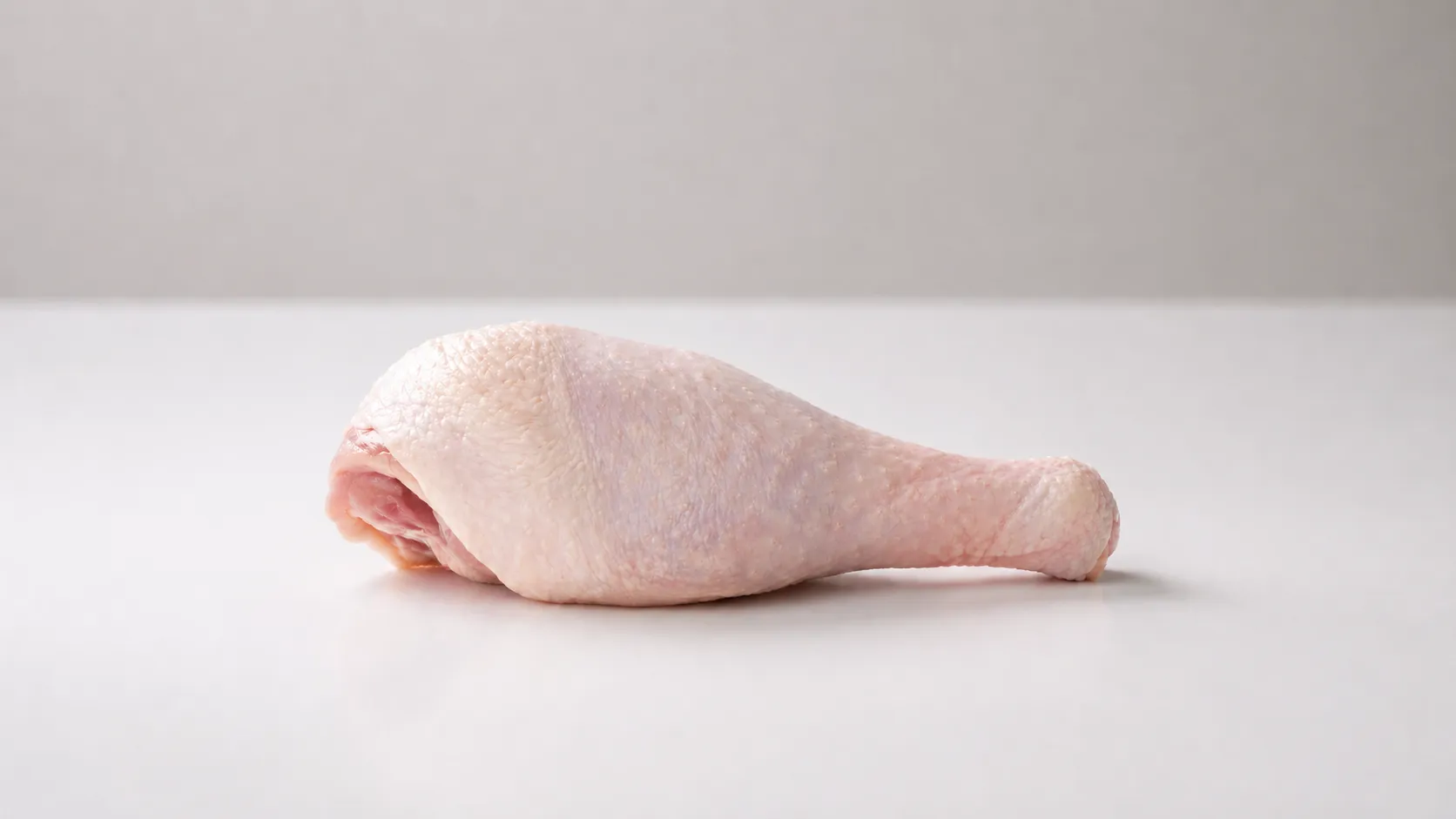
Choking risk
Turkey is a moderate choking risk when dry or in firm chunks - lean meat stiffens as it cooks and doesn't break down easily when chewed.
Remove any bones, then serve it shredded, finely ground, or in thin, moist strips kept tender with a sauce, broth, or a little oil. See how to serve for age-by-age prep.
Allergens
Turkey is not a common food allergen, so a true allergy to it is rare.[2]
Poultry allergy can happen but is unusual, and it tends to show up later in childhood, not in infancy. Start with a small amount and watch for a reaction.[2]
If baby refuses
Dry turkey is the top reason babies turn it down, so keep it moist - poach, braise, or slow-cook it, or stir it into a sauce, soup, or pasta. Finely shredded turkey mixed into a favorite dish, or a soft meatball, often wins them over.
Food safety
Cook turkey until well done - 165°F. Cut into the thickest part: the meat should be white through with clear, not pink, juices, and feel firm rather than wet or jelly-like. Serve it moist, since lean turkey dries out easily. Skip processed forms like deli turkey, turkey bacon, and turkey sausages, which are high in salt.[4]
How to serve
6+ months old
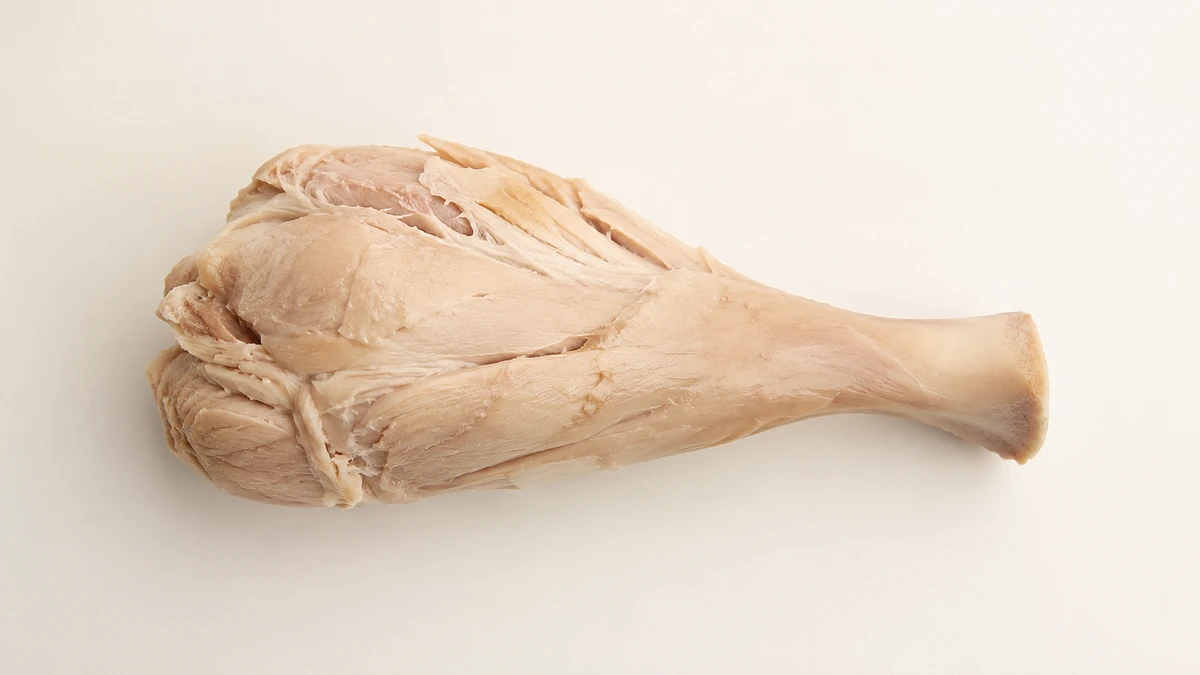
Shredded into soft food, or a drumstick to hold
Serve turkey soft and moist. Finely shred or grind it and stir it through a scoopable food like mashed vegetables, or loosen it with a sauce, broth, or a little oil. A whole drumstick makes a good handle too - remove the skin and any loose bones or gristle, leave the main bone in for baby to grip, and let them gnaw the meat off. Feel through it first, since poultry bones can splinter. Dark thigh meat stays moister than breast.
How to cook
Poach, braise, steam, or slow-cook to keep the meat tender. Cook turkey until well done - 165°F. Cut into the thickest part: the meat should be white through with clear, not pink, juices, and feel firm rather than wet or jelly-like.
9+ months old
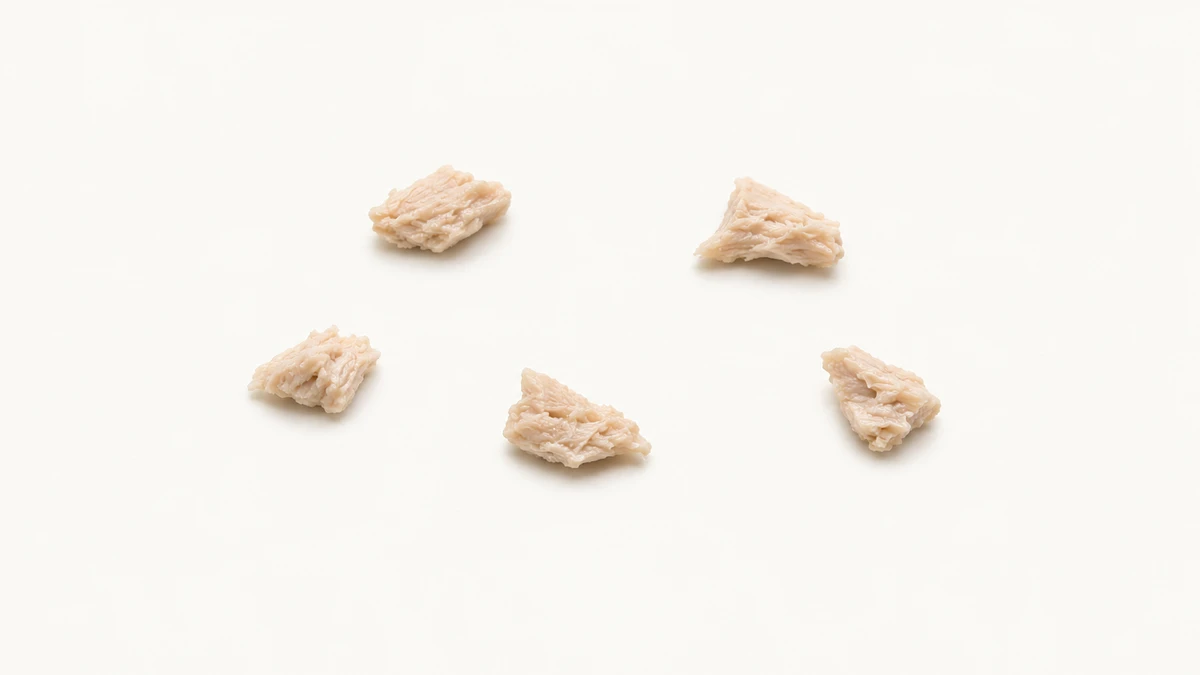
Finely chopped, or soft meatballs
Bite-sized pieces
As the pincer grasp develops, offer finely chopped or shredded turkey, or bite-sized pieces of soft turkey meatball, for picking-up practice. Keep everything moist with a sauce or a little oil. Keep avoiding plain firm cubes.
A whole drumstick is still great to hold - skin and any loose bones removed, the main bone left in to grip, and check by feel since poultry bones can splinter. Cooking ground turkey into a sauce or stew, or binding meatballs with breadcrumb and egg, keeps them soft.
How to cook
Poach, braise, steam, or slow-cook to keep the meat tender. Cook turkey until well done - 165°F. Cut into the thickest part: the meat should be white through with clear, not pink, juices, and feel firm rather than wet or jelly-like.
12+ months old
In family meals
Offer small, soft pieces or thin strips of turkey as finger food, or let your toddler practice with a fork. Keep it moist with a sauce or gravy, and still skip dry, firm cubes.
A whole drumstick is still a good hold for biting practice - skin and loose bones removed, the main bone left in to grip. Turkey now works well stirred into family dishes like stews, curries, pasta sauces, and traybakes.
How to cook
Roast, bake, braise, or pan-fry as part of a family meal, cooked to 165°F.
Tips
- Buy thigh, not breast. Turkey breast is the leanest, driest cut and the hardest to serve moist to a baby. Thigh has more fat, stays tender, and forgives overcooking - reach for it over breast for early eaters.
- Ground turkey is the easy win. It cooks soft, takes on any flavour, and stirs straight into sauces, stews, and meatballs - no shredding or moisture-rescuing needed. Cook it in a little sauce or broth rather than dry in a pan.
Sources
- Choking Hazards (Infant & Toddler Nutrition) - CDC
- Update on the bird-egg syndrome and genuine poultry meat allergy - Allergo J Int 2016 (PubMed 27340614)
- Turkey from Farm to Table (cook to 165°F) - USDA FSIS
- Safe Minimum Internal Temperature Chart - USDA FSIS
- Turkey, breast, meat only, cooked, roasted (FDC 171496) - USDA FoodData Central